

What Defines the Real Worth of Vietnamese Shrimp?
1. Key Factors Determining the Value of Shrimp
1.1. Product Quality – The Prerequisite Factor
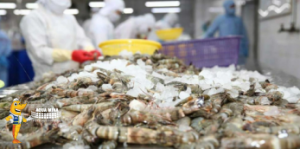
The quality of farmed shrimp is the most crucial factor in determining its market value. Clean shrimp, free from antibiotic residues and compliant with food safety standards, is a must for access to demanding markets such as the EU, the U.S., and Japan. Meeting these standards allows Vietnamese shrimp to command higher prices and ensures smoother export processes.
To ensure shrimp quality, farmers should:
Apply clean farming practices and minimize antibiotic use.
Maintain a clean, nutrient-rich pond environment.
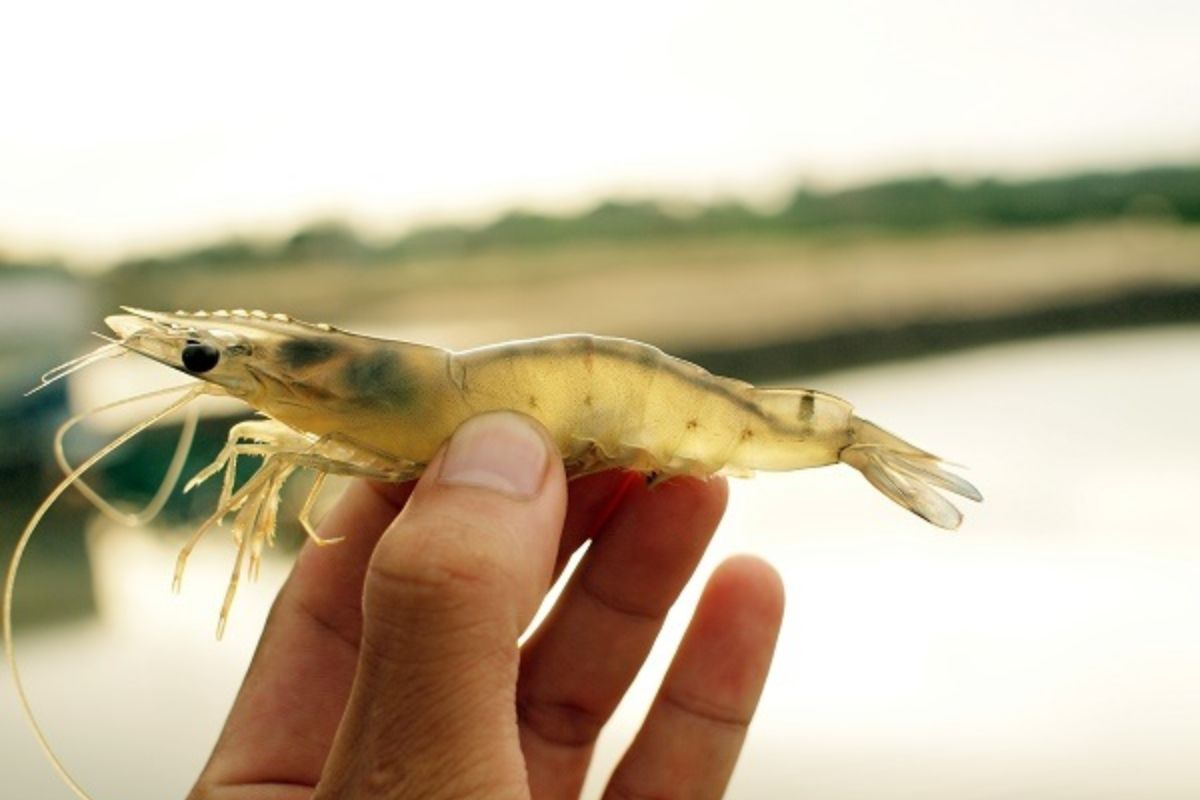
Use natural feed and probiotics to enhance immunity and prevent diseases.
1.2. Reducing Production Costs to Boost Competitiveness
One of the biggest challenges for Vietnam’s shrimp industry is higher production costs compared to competitors like Ecuador, India, and Indonesia. This reduces profits for farmers and exporters. Notably, feed accounts for over 65% of the total cost in intensive shrimp farming, placing a heavy burden on farmers.
Solutions to reduce production costs:
Utilize natural feed sources in extensive farming systems.
Apply microbiological technology to optimize feed and reduce disease outbreaks.
Improve shrimp broodstock to boost immunity and growth without excessive supplemental feeding.
1.3. Meeting International Standards to Increase Export Value
Global markets are increasingly stringent regarding seafood products, especially shrimp. Certifications like ASC, BAP, and GlobalGAP enhance shrimp value and improve access to large supermarkets and restaurant chains.
Currently, only about 20% of shrimp in Vietnam meet international certification standards, compared to over 70% in Ecuador. To enhance competitiveness, Vietnam's shrimp industry must strengthen quality control, encourage certification participation, and explore new potential markets.
2. A Sustainable Path Forward for Vietnam’s Shrimp Industry
2.1. Transitioning to Sustainable Farming Models
Eco-friendly shrimp farming that minimizes antibiotic and chemical use will help build a clean shrimp brand and increase product value.
Combine extensive farming with microbiological and probiotic methods to optimize pond conditions.
Use natural feeds such as algae and bloodworms to promote healthy shrimp growth.
Manage water resources efficiently to reduce pollution and ecological impact.
2.2. Applying Digital Technology in Shrimp Farm Management
IoT and AI for pond monitoring: Sensors measuring water quality and cameras monitoring shrimp activity help farmers better control their ponds.
Blockchain for traceability: Increases transparency and builds consumer trust in Vietnamese shrimp.
The value of shrimp lies not only in its yield but also in its quality, competitiveness, and sustainable development. Vietnam’s shrimp industry must focus on improving quality, reducing production costs, and raising international standards to maintain its global market position. Only by building a clean, transparent, and efficient shrimp farming foundation can we enhance the value of Vietnamese shrimp and aim toward a truly sustainable aquaculture sector.
Source: binhminhbba
Aqua Mina's distributor in Japan: REX INDUSTRIES CO., LTD
- Address: 1-9-3 Hishiya-Higashi, Higashi-Osaka 578-0948 JAPAN
- Email: kimakubo@rexind.co.jp
- Phone: +81-(0)72-961-9893
- Website: http://www.rexind.co.jp/e/
WE WORK FOR YOUR SUCCESS!
Ngày đăng : 16/05/2025
2237 View


Other Articles
Ca Mau, Can Tho and An Giang Play a Leading Role in Vietnam’s Shrimp Industry
Protecting rice-shrimp yields against environmental fluctuations caused by prolonged rain
AQUA MINA Turbo Blower: Quiet, Energy-Efficient Air Supply for Aquaculture Ponds
AQUA MINA has accompanied the experimental tank system project at Can Tho University from its very early days
AQUA MINA AMONG 20 OUTSTANDING PRESENTATIONS AT THE WORKSHOP ON APPLYING SCIENCE AND TECHNOLOGY TO IMPROVE THE QUALITY OF VIETNAM’S AQUATIC PRODUCTS
Vietnam’s Shrimp Farming Industry Enters the High-Tech Race
The U.S. market relies heavily on imported shrimp to bridge its domestic supply gap
The 2028 supply crisis: The shrimp industry is projected to face a 400,000-ton material shortage
High profits from high-tech shrimp farming come with persistent risks
Intensifying El Niño Effect: Climate Change Risks Threaten the Global Shrimp Supply Chain
Evaluating Gaps in the Circular Economy Value Chain of the Shrimp Industry
A Comprehensive Overview of the Vietnamese Shrimp Industry


.jpg)