



Fuel prices surpass tariffs, becoming a major burden on the global seafood industry
Fuel prices are surpassing U.S. tariffs, becoming the main driver behind rising global seafood prices—from Argentine red shrimp to Pacific tuna and Maine oysters.In the United States, average diesel prices have risen by 40% since the conflict with Iran escalated in late February 2026, exceeding $5 per gallon. Globally, fuel prices have increased by 30–50% due to supply disruptions in the Strait of Hormuz, directly impacting the costs of fishing, aquaculture, transportation, and seafood logistics. The Patagonian Fishing Industry Chamber (CAPIP) warned that Argentina’s shrimp farming sector is “highly vulnerable,” with production costs rising 15–18% due to higher fuel prices, making production planning more difficult.
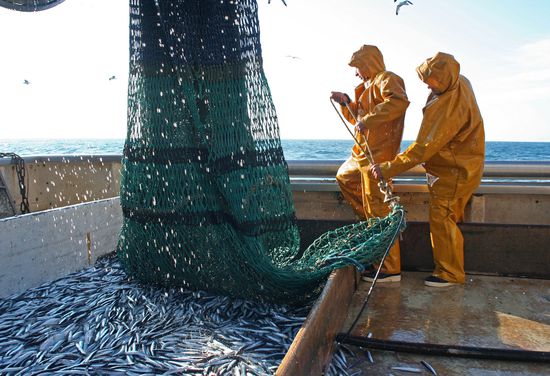
In the Pacific, expert Francisco Blaha noted that rising bunker fuel prices are reducing the viability of distant-water tuna fleets, forcing them to cut capacity or be more selective in operations, especially as customers remain price-sensitive In Maine, U.S., diesel prices have reached $5.90 per gallon, sharply increasing operating costs for vessels, transport, and equipment. Kelly Punch stated that rising costs will ripple through fish markets, processors, and restaurants, ultimately pushing up seafood and food prices. Experts warn that if fuel instability continues, the global seafood industry could face serious impacts in the coming months.

WE WORK FOR THE SUCCESS


Ca Mau, Can Tho and An Giang Play a Leading Role in Vietnam’s Shrimp Industry
Protecting rice-shrimp yields against environmental fluctuations caused by prolonged rain
AQUA MINA Turbo Blower: Quiet, Energy-Efficient Air Supply for Aquaculture Ponds
AQUA MINA has accompanied the experimental tank system project at Can Tho University from its very early days
AQUA MINA AMONG 20 OUTSTANDING PRESENTATIONS AT THE WORKSHOP ON APPLYING SCIENCE AND TECHNOLOGY TO IMPROVE THE QUALITY OF VIETNAM’S AQUATIC PRODUCTS
Vietnam’s Shrimp Farming Industry Enters the High-Tech Race
The U.S. market relies heavily on imported shrimp to bridge its domestic supply gap
The 2028 supply crisis: The shrimp industry is projected to face a 400,000-ton material shortage
High profits from high-tech shrimp farming come with persistent risks
Intensifying El Niño Effect: Climate Change Risks Threaten the Global Shrimp Supply Chain
Evaluating Gaps in the Circular Economy Value Chain of the Shrimp Industry
A Comprehensive Overview of the Vietnamese Shrimp Industry









.jpg)