

Bringing AI into Shrimp Ponds: Gradually Transforming the Way Farms Operate
This topic was discussed at the 2026 National Fisheries Science, Technology and Fisheries Surveillance Conference, held on April 28 in Ho Chi Minh City. The conference was organized by the Ministry of Agriculture and Environment as part of the first Vietnam International Fisheries Science and Technology Exhibition 2026 (VinaFis Expo 2026).
Technology is gradually becoming a key factor in modern shrimp farming.
Vietnamese shrimp under pressure from domestic and international competition
Vietnam’s shrimp industry is facing major challenges as traditional advantages such as low labor costs and abundant natural resources are gradually declining. Meanwhile, major exporting countries like Ecuador and India are rapidly increasing production, causing Vietnam to lose its competitive advantage in supply capacity.
According to Mr. Nguyễn Tấn Ngoan, Director of Global Consulting and Training Service Trading Co., Ltd., pressure is increasing as the global market demands higher standards of transparency, sustainability, and social responsibility. Many countries have developed large-scale farming models that apply modern automation technologies, creating clear advantages in costs and productivity. At the same time, consumer trends are changing, with buyers focusing not only on products but also on safety, environmental impact, and sustainable value.
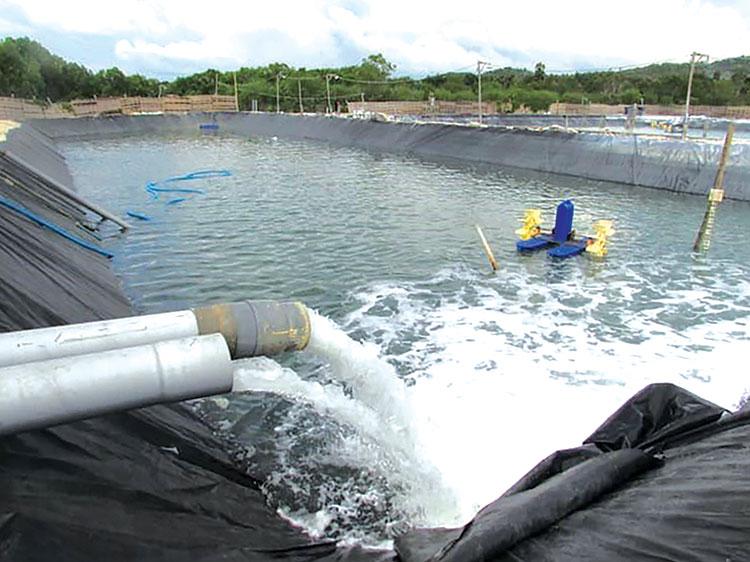
Therefore, the challenge is not only to improve production but also to define a long-term strategy to strengthen competitiveness and ensure sustainable development in the future. As the fisheries sector faces increasing challenges ranging from production costs to environmental fluctuations, the application of artificial intelligence (AI) and digital transformation is being considered a key solution for breakthrough growth. Both scientific research and practical production experience increasingly confirm this direction as a foundation for improving productivity, reducing costs, and achieving sustainable development.
From a management perspective, this transformation has also been identified as a strategic orientation for the next stage of industry development. According to former Deputy Minister of Agriculture and Environment Phùng Đức Tiến, 2026 marks the beginning of a new development cycle that requires the fisheries sector to continue strong innovation, with science and technology playing a central role alongside institutions, policies, and high-quality human resources.
Shrimp farming based on data
According to Associate Professor Dr. Đặng Thị Lụa, Director of the Vietnam Fisheries Science Institute, digital transformation in fisheries is not simply about applying software but fundamentally changing production methods — shifting from “experience-based farming” to “data-driven farming.” When data on the environment, diseases, feed, and traceability are connected and analyzed in real time, farmers can better control risks, optimize costs, and improve production efficiency.
In practice, AI-based farming models have already shown clear results. According to Dr. Lụa, many shrimp and fish farming models applying AI technology have recorded profit increases of 25–30% thanks to improved disease control, optimized feed use, and reduced production risks.
One of the clearest applications of AI is feed management. Through underwater cameras and sound sensors, AI can analyze shrimp feeding behavior and adjust feed portions in real time. Studies show this approach can reduce feed costs by 15–20% while cutting nitrogen and phosphorus discharge into the environment by around 25% due to reduced waste.
At the same time, new nutritional solutions are being promoted, such as using protein from insects, algae, or microorganisms to replace fishmeal. Combined with nanotechnology and enzymes, nutrient absorption efficiency can exceed 90%, contributing to lower environmental pollution and higher product quality.
At the pond level, IoT and AI technologies are gradually changing operational methods. Sensor systems continuously monitor indicators such as dissolved oxygen, pH, ammonia, and salinity; when abnormalities occur, the system can automatically activate aeration or water exchange. Computer vision technology also allows shrimp biomass estimation without manual sampling, helping reduce stress and minimize risks.
However, according to Mr. Trình Trung Phi, Deputy General Director of Technical and Commercial Shrimp at Việt Úc Group, technology only becomes effective when integrated into a synchronized management system. He explained that in the past, successful farming mainly meant ensuring shrimp survival and growth, but now farmers must also ensure shrimp health, uniformity, reasonable costs, traceability, and compliance with increasingly strict standards for quality, food safety, and sustainability.
This means shrimp farming is no longer only about pond management techniques but also about risk management across the entire value chain — from broodstock, seed quality, and biosecurity to environmental management and rapid response to abnormal signs.
From this perspective, shrimp diseases must also be approached differently. In reality, focusing solely on individual pathogens such as viruses, bacteria, or parasites is insufficient to explain differences between ponds. Many severe losses are not caused by a single pathogen but by accumulated risks across multiple stages — from seed quality and feed to environmental conditions and management processes.
Experts believe the key question is no longer “What disease does the pond have?” but rather “Which link in the chain is increasing the risk?” When inputs are well controlled, biosecurity is maintained, and environmental stability is ensured, disease risks can be significantly reduced.
Risk management toward “digital farms”
At the industry management level, digital transformation is opening opportunities for more effective monitoring and administration. According to Dr. Đặng Thị Lụa, digitizing data allows authorities to manage farming areas, vessels, and production activities in real time, thereby improving governance efficiency and meeting international traceability requirements.
This orientation was also emphasized by Associate Professor Dr. Nguyễn Hữu Ninh, Deputy Director of the Department of Science and Technology under the Ministry of Agriculture and Environment, during the conference. According to him, the industry needs to strengthen epidemiological research, develop vaccines and biological products to replace antibiotics, while also applying digital technologies, building large databases, and promoting smart farming models.
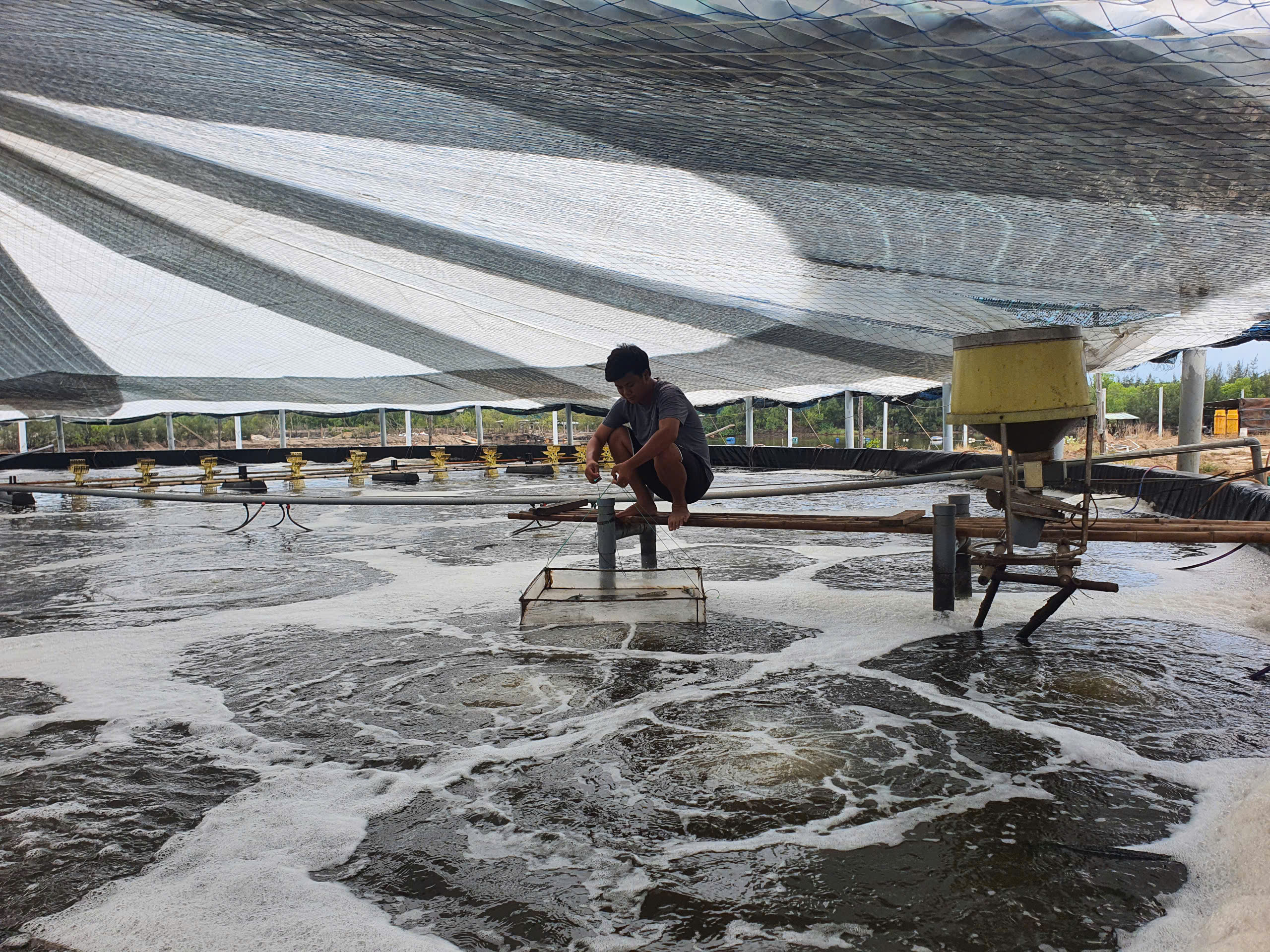
“The application of Industry 4.0 technologies, combined with data ecosystem development and smart production models, will be an important direction for improving the efficiency and sustainability of the fisheries sector,” Mr. Ninh stated.
In the long term, the industry’s goal is not only to increase output but also to build a smart production ecosystem where technology is present in every pond and every link of the value chain. Only then can Vietnam’s shrimp industry strengthen competitiveness, adapt to climate change, and meet increasingly strict global market standards.
It is clear that AI and digital transformation are no longer just trends but have become prerequisites for the development of the shrimp industry. The real question is no longer whether to adopt them, but how quickly, how deeply, and whether there is enough determination to drive meaningful change.

WE WORK FOR THE SUCCESS


Ca Mau, Can Tho and An Giang Play a Leading Role in Vietnam’s Shrimp Industry
Protecting rice-shrimp yields against environmental fluctuations caused by prolonged rain
AQUA MINA Turbo Blower: Quiet, Energy-Efficient Air Supply for Aquaculture Ponds
AQUA MINA has accompanied the experimental tank system project at Can Tho University from its very early days
AQUA MINA AMONG 20 OUTSTANDING PRESENTATIONS AT THE WORKSHOP ON APPLYING SCIENCE AND TECHNOLOGY TO IMPROVE THE QUALITY OF VIETNAM’S AQUATIC PRODUCTS
Vietnam’s Shrimp Farming Industry Enters the High-Tech Race
The U.S. market relies heavily on imported shrimp to bridge its domestic supply gap
The 2028 supply crisis: The shrimp industry is projected to face a 400,000-ton material shortage
High profits from high-tech shrimp farming come with persistent risks
Intensifying El Niño Effect: Climate Change Risks Threaten the Global Shrimp Supply Chain
Evaluating Gaps in the Circular Economy Value Chain of the Shrimp Industry
A Comprehensive Overview of the Vietnamese Shrimp Industry





.jpg)