



SHOULD PROBIOTICS BE USED IN SHRIMP PONDS DURING HOT WEATHER?
High temperatures also accelerate the decomposition of shrimp waste, leading to localized oxygen shortages at the pond bottom. Harmful gases such as H₂S, NO₂, and NH₃ build up, and harmful bacteria proliferate. Algae—especially blue-green algae (Cyanophyta) and dinoflagellates (Dinophyta)—tend to bloom rapidly, releasing toxins that are detrimental to shrimp health. As algae bloom and die off quickly, they destabilize the pond's pH levels and increase suspended solids in the water, deteriorating water quality.
Hot weather not only increases the water temperature in shrimp ponds but also triggers a cascade of negative impacts on shrimp health. Therefore, farmers must frequently monitor water quality parameters to detect anomalies early and respond promptly.
Controlling algae blooms in shrimp ponds is a critical task during this season to prevent worsening conditions.
Pond water with green algae bloom
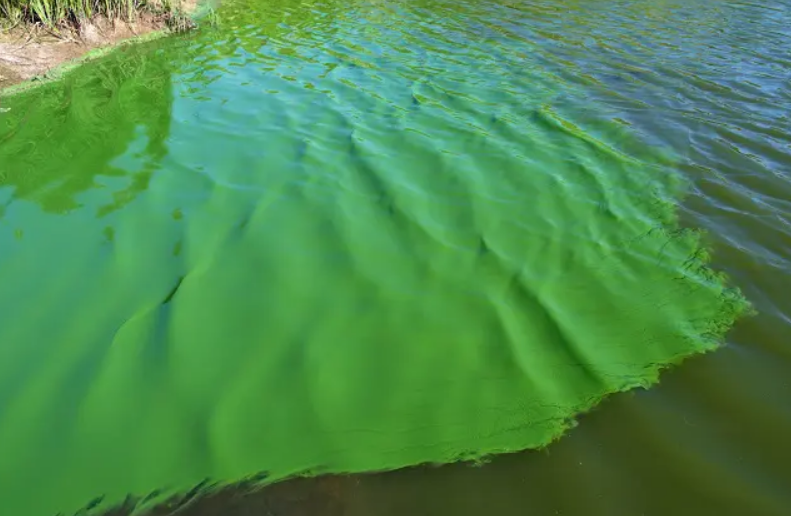
To manage algae levels in the pond:
Perform water exchange with proper dosage and frequency
Use biological products that cleanse the water, improve water clarity, and reduce viscosity
Chemical algaecides may be used but are generally discouraged due to safety concerns.
Aqua Mina's distributor in Japan: REX INDUSTRIES CO., LTD
- Address: 1-9-3 Hishiya-Higashi, Higashi-Osaka 578-0948 JAPAN
- Email: kimakubo@rexind.co.jp
- Phone: +81-(0)72-961-9893
- Website: http://www.rexind.co.jp/e/
WE WORK FOR YOUR SUCCESS!
Ngày đăng : 25/04/2025
2105 View


Other Articles
Ca Mau, Can Tho and An Giang Play a Leading Role in Vietnam’s Shrimp Industry
Protecting rice-shrimp yields against environmental fluctuations caused by prolonged rain
AQUA MINA Turbo Blower: Quiet, Energy-Efficient Air Supply for Aquaculture Ponds
AQUA MINA has accompanied the experimental tank system project at Can Tho University from its very early days
AQUA MINA AMONG 20 OUTSTANDING PRESENTATIONS AT THE WORKSHOP ON APPLYING SCIENCE AND TECHNOLOGY TO IMPROVE THE QUALITY OF VIETNAM’S AQUATIC PRODUCTS
Vietnam’s Shrimp Farming Industry Enters the High-Tech Race
The U.S. market relies heavily on imported shrimp to bridge its domestic supply gap
The 2028 supply crisis: The shrimp industry is projected to face a 400,000-ton material shortage
High profits from high-tech shrimp farming come with persistent risks
Intensifying El Niño Effect: Climate Change Risks Threaten the Global Shrimp Supply Chain
Evaluating Gaps in the Circular Economy Value Chain of the Shrimp Industry
A Comprehensive Overview of the Vietnamese Shrimp Industry












.jpg)
