

Proactively Protecting Farmed Aquatic Species During Heatwaves
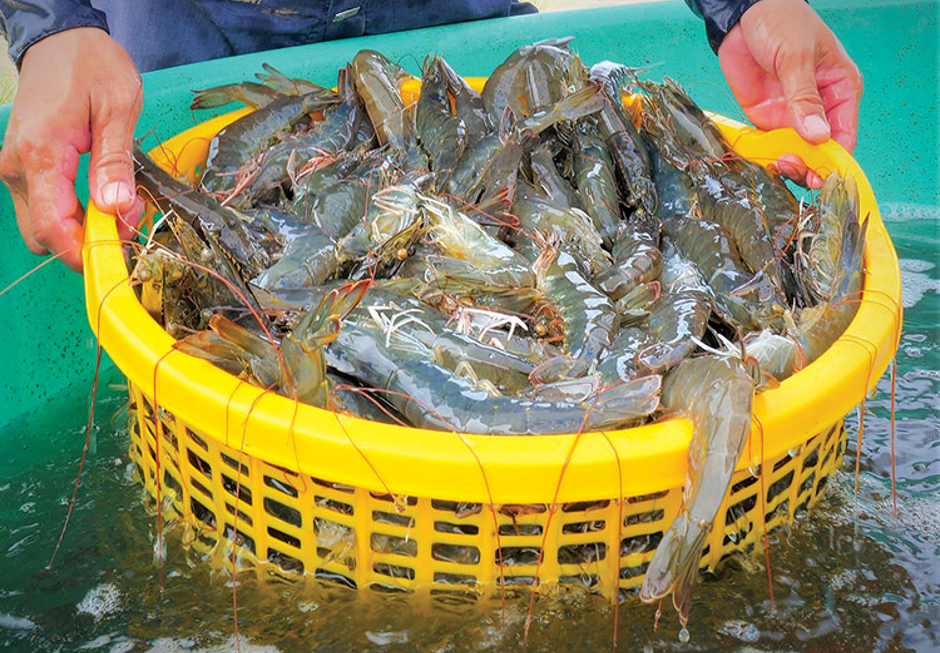
Mr. Tú shared that this farming season he stocked shrimp over an area of 1 hectare. After nearly 60 days, the shrimp are developing well, reaching sizes of 250–270 shrimp per kilogram. However, since late May 2025, scorching heat and strong southwest winds have significantly raised pond water temperatures, making the shrimp more prone to stress, reduced immunity, and potential disease outbreaks.
Based on his experience, Mr. Tú has taken measures to cope with the heat, such as raising the pond water level to nearly 1.5 meters and increasing paddlewheel aeration to minimize temperature stratification. He also adds vitamins and minerals to the feed to boost shrimp immunity.
“Higher water temperatures lead to a surge in algae, harmful bacteria, and viruses, along with an increase in toxic gases in the pond. Therefore, shrimp farmers must stay alert and monitor daily environmental indicators like pH and dissolved oxygen to react in time,” Mr. Tú emphasized.
In Gio Mai Commune, Gio Linh District, Mr. Hoàng Ngọc Tuấn has taken preemptive steps to protect his high-tech shrimp farming area. Before the hot season began, he maintained and upgraded his equipment and invested in backup generators in case of power outages. Currently, he operates nearly 6 hectares, including 7 high-tech ponds totaling 0.7 hectares, and farms year-round with staggered harvests.
Although the ponds are located in mesh-covered greenhouses that limit weather impact, Mr. Tuấn has also installed heat-resistant nets and ventilation fans to reduce internal pond temperatures. He pays close attention to pond care, ensuring adequate water supply, probiotics, and quality feed, while regularly adding minerals and vitamins for shrimp health.
.jpg)
To prevent external pathogens from entering the farming area, he uses lime and aquaculture-grade disinfectants. Thanks to proper heat-season protection measures, his shrimp grow well, yielding 50–70 tons annually, with revenue of 5–7 billion VND per year.
In Hải Phong Commune, Hải Lăng District, Mr. Phạm Văn Thiện, a cage-based eel farmer on the Ô Lâu River, and other local farmers are currently focused on heat prevention for their fish.
Mr. Thiện has moved the cages to deeper, faster-flowing areas and prepared to lower the cages further during peak heat. He uses high-quality fresh fish as feed and cleans the cages after each feeding to maintain clean water and enhance fish resistance.
As of June 2025, the province has stocked over 2,850 hectares of various aquaculture species. Total harvest in the first half of 2025 reached more than 3,500 tons. Heatwaves are forecasted to continue with higher frequency and intensity than average, possibly lasting over 7 days, with peak temperatures reaching 40–42°C in some areas.
Mr. Nguyễn Đức Trung, Deputy Director of the Sub-Department of Fisheries, warned that water temperature is a critical factor in aquaculture. Extreme heat or large fluctuations can cause stress, reduce immune responses, increase disease susceptibility, and negatively affect survival rates.
Prolonged heat accelerates decomposition of organic matter at the pond bottom, which consumes a large amount of dissolved oxygen and releases toxic gases, endangering aquatic life.
Heat also boosts algae growth, leading to oxygen depletion during night and early morning hours. High water temperatures further support the growth of disease-causing agents such as bacteria and viruses.
Recommended Measures to Protect Aquaculture in Hot Weather:
Regularly follow weather forecasts and take proactive steps to manage pond environments and prevent disease outbreaks.
Strictly monitor environmental parameters in the pond. Maintain water levels between 1.2 – 1.8 meters to stabilize temperature and keep safe water on hand for emergency replacement.
Increase paddlewheel aeration and oxygen supply to prevent temperature layering and oxygen deficien
Reduce feed during extremely hot days. Periodically add probiotics, vitamin C, minerals, and digestive enzymes to feed or directly into the pond to improve water quality and boost fish and shrimp immunity.
Regularly inspect aquatic stock to detect and address abnormalities early.
For cage culture, lower cages or move them to deeper water to avoid high surface temperatures.
Avoid placing cages in areas with high thermal fluctuation or low water flow.
Remove weak or diseased fish immediately to prevent disease spread.
Harvest market-size fish and thin out cage stock regularly to maintain proper density.
Inspect cages frequently to ensure water circulation is not obstructed by debris.
Source: baothanhhoa.vn
Aqua Mina's distributor in Japan: REX INDUSTRIES CO., LTD
- Address: 1-9-3 Hishiya-Higashi, Higashi-Osaka 578-0948 JAPAN
- Email: kimakubo@rexind.co.jp
- Phone: +81-(0)72-961-9893
- Website: http://www.rexind.co.jp/e/
WE WORK FOR YOUR SUCCESS!
Ngày đăng : 02/08/2025
1976 View


Other Articles
Ca Mau, Can Tho and An Giang Play a Leading Role in Vietnam’s Shrimp Industry
Protecting rice-shrimp yields against environmental fluctuations caused by prolonged rain
AQUA MINA Turbo Blower: Quiet, Energy-Efficient Air Supply for Aquaculture Ponds
AQUA MINA has accompanied the experimental tank system project at Can Tho University from its very early days
AQUA MINA AMONG 20 OUTSTANDING PRESENTATIONS AT THE WORKSHOP ON APPLYING SCIENCE AND TECHNOLOGY TO IMPROVE THE QUALITY OF VIETNAM’S AQUATIC PRODUCTS
Vietnam’s Shrimp Farming Industry Enters the High-Tech Race
The U.S. market relies heavily on imported shrimp to bridge its domestic supply gap
The 2028 supply crisis: The shrimp industry is projected to face a 400,000-ton material shortage
High profits from high-tech shrimp farming come with persistent risks
Intensifying El Niño Effect: Climate Change Risks Threaten the Global Shrimp Supply Chain
Evaluating Gaps in the Circular Economy Value Chain of the Shrimp Industry
A Comprehensive Overview of the Vietnamese Shrimp Industry


.jpg)