

Double Profit from a Single Pond: Shrimp–Green Crab Farming Gains Ground
Why is the shrimp–green crab model gaining popularity?
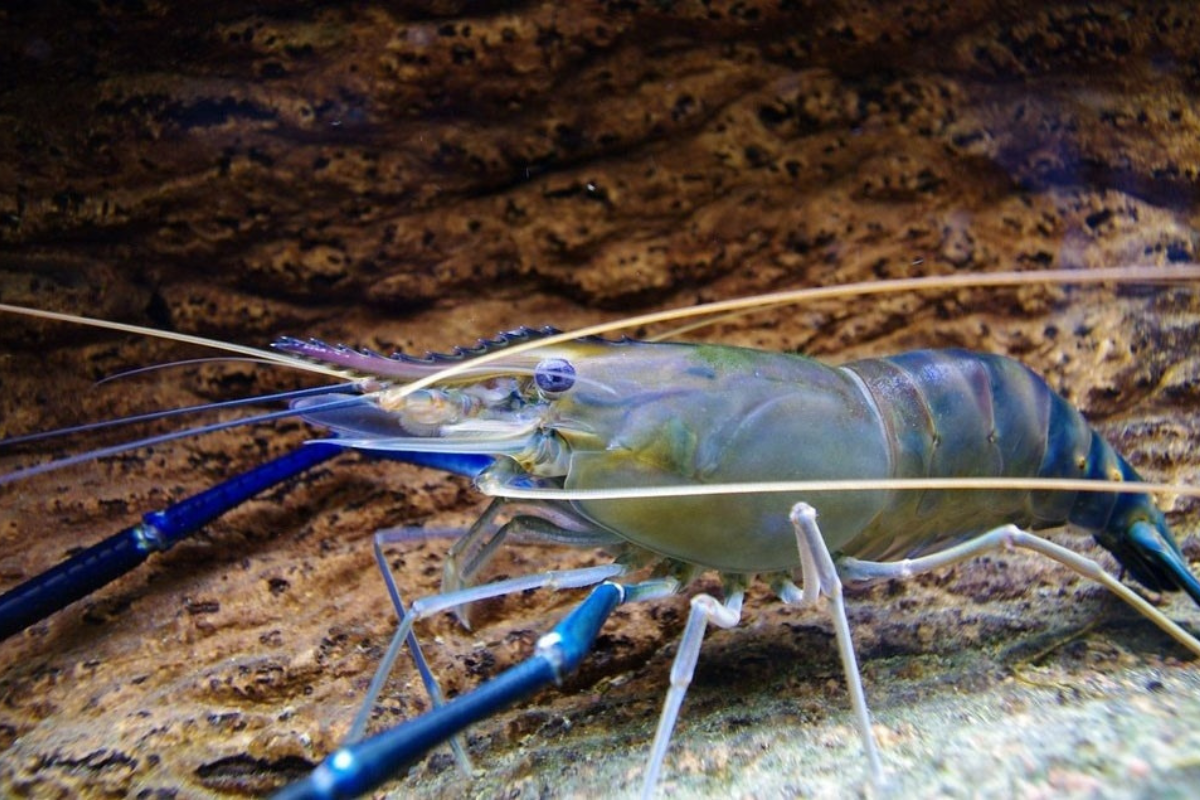
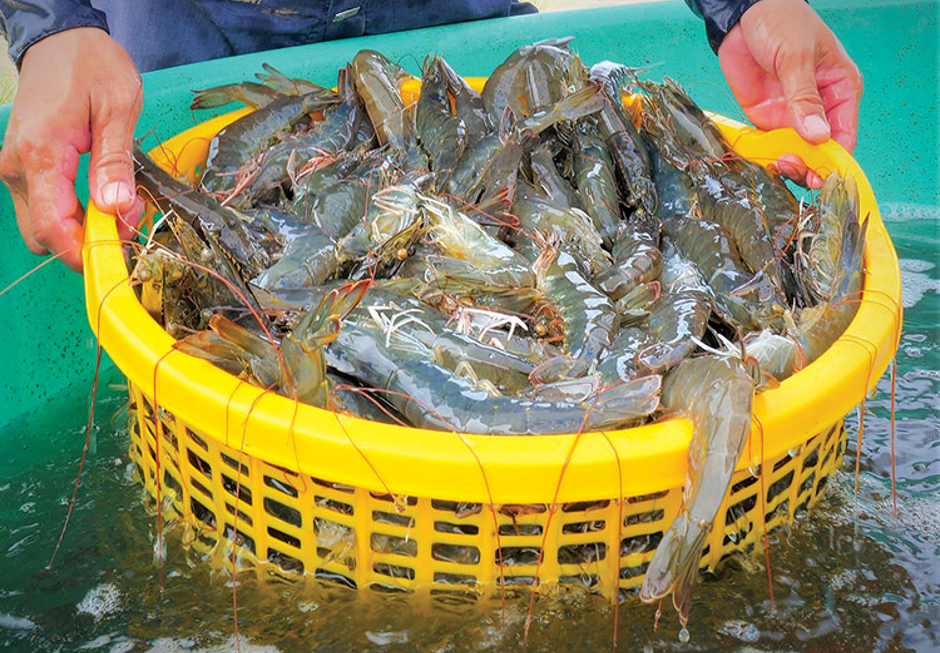
In coastal provinces like Ca Mau, Bac Lieu, and Soc Trang, integrated shrimp–green crab farming is emerging as a promising solution that aligns with local soil conditions and the impacts of climate change. Black tiger shrimp and green crabs can coexist in the same water environment with minimal competition for food—and, even better, they support each other’s growth.
When raised separately, shrimp ponds often suffer from bottom waste buildup and disease outbreaks. But when green crabs are introduced, they consume shrimp waste as food, helping clean the pond and improve water quality. This not only raises the shrimp survival rate but also reduces the need for chemical treatments and environmental management.
How the shrimp–crab model works
This model is typically implemented using an improved extensive farming approach. Ponds range from 3,000 to 5,000 m², divided into zones for shrimp and crabs to circulate naturally, using the pond’s own flow to maintain habitat separation.
Stocking rates:
Black tiger shrimp: 10–15 PL/m²
Green crabs: 0.5–1 crab/m², depending on pond conditions
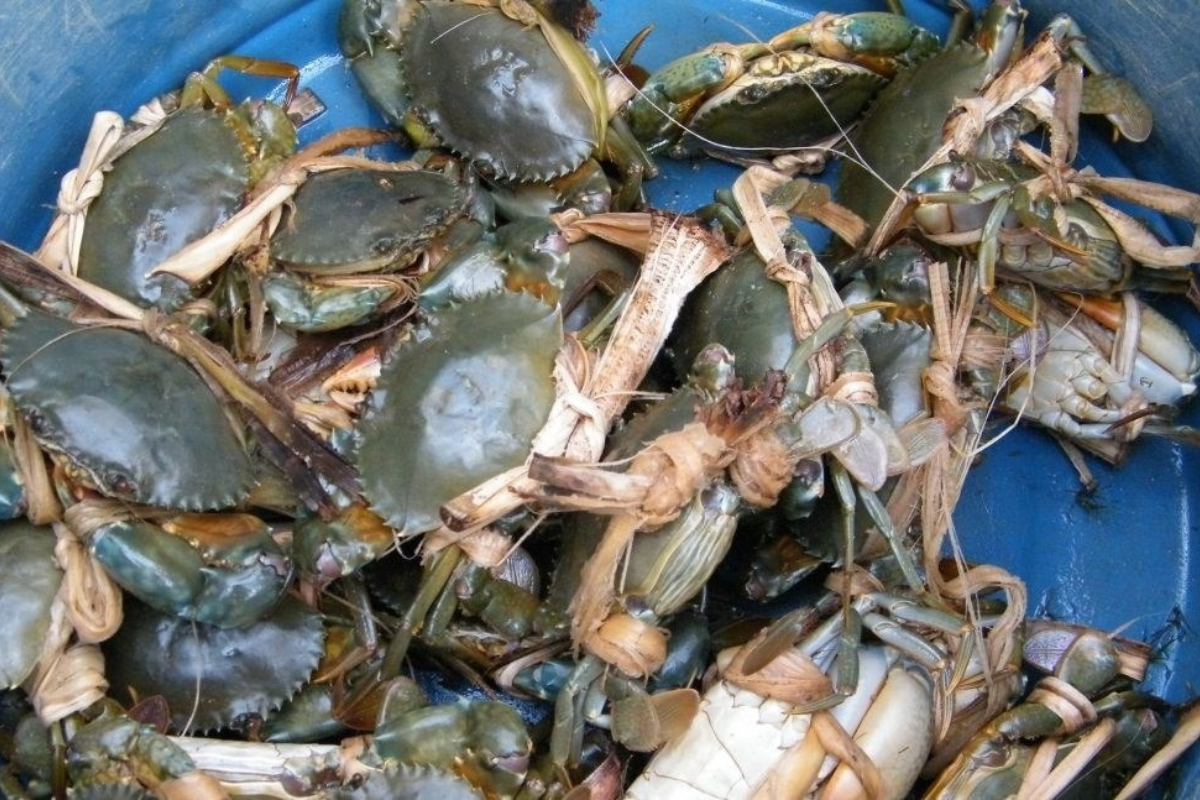
Farmers usually introduce crabs 1–2 weeks after shrimp stocking to avoid early-stage competition. Crabs should be healthy, evenly sized (3–5 cm), with intact limbs and strong claws.
Shrimp typically occupy the central pond bottom, while green crabs prefer shallow side trenches along the pond edge for shelter
Economic and environmental advantages
According to the National Agricultural Extension Center (2023), integrated shrimp–crab farming in Bac Lieu brought in VND 90–120 million/ha/crop, an increase of 30–40% compared to shrimp monoculture.
In addition to higher profits, green crabs contribute to a cleaner pond bottom, reducing the need for antibiotics and chemical treatments. As a result, both shrimp and crab products are cleaner and more likely to meet export standards, especially in strict markets like Japan and the EU.
Key technical considerations
While the model is easy to adopt, successful implementation requires attention to several technical details:
Pond depth: Ideal depth is 1.2–1.5m, with edge trenches for crab shelter to minimize conflicts.
Feed management: Avoid overfeeding, which leads to water pollution.
Water parameters: Maintain salinity at 10–25‰, monitor pH and alkalinity regularly.
Low disturbance: Crabs thrive in quiet environments—avoid frequent stirring or strong aeration.
Molting cycles: Monitor closely to prevent cannibalism during soft-shell periods.
Simple model, dual benefits for sustainable aquaculture
The shrimp–green crab model is simple but offers high value—economic, environmental, and public health. In a time of climate uncertainty and increasingly demanding export markets, models like this offer a sustainable path forward for aquaculture. Farmers interested in adopting this model should learn from successful neighbors and seek support from local extension centers for guidance on seed selection, farming techniques, and disease management.
Source: Tép Bạc
Aqua Mina's distributor in Japan: REX INDUSTRIES CO., LTD
- Address: 1-9-3 Hishiya-Higashi, Higashi-Osaka 578-0948 JAPAN
- Email: kimakubo@rexind.co.jp
- Phone: +81-(0)72-961-9893
- Website: http://www.rexind.co.jp/e/
WE WORK FOR YOUR SUCCESS!
Ngày đăng : 02/08/2025
1949 View


Other Articles
Ca Mau, Can Tho and An Giang Play a Leading Role in Vietnam’s Shrimp Industry
Protecting rice-shrimp yields against environmental fluctuations caused by prolonged rain
AQUA MINA Turbo Blower: Quiet, Energy-Efficient Air Supply for Aquaculture Ponds
AQUA MINA has accompanied the experimental tank system project at Can Tho University from its very early days
AQUA MINA AMONG 20 OUTSTANDING PRESENTATIONS AT THE WORKSHOP ON APPLYING SCIENCE AND TECHNOLOGY TO IMPROVE THE QUALITY OF VIETNAM’S AQUATIC PRODUCTS
Vietnam’s Shrimp Farming Industry Enters the High-Tech Race
The U.S. market relies heavily on imported shrimp to bridge its domestic supply gap
The 2028 supply crisis: The shrimp industry is projected to face a 400,000-ton material shortage
High profits from high-tech shrimp farming come with persistent risks
Intensifying El Niño Effect: Climate Change Risks Threaten the Global Shrimp Supply Chain
Evaluating Gaps in the Circular Economy Value Chain of the Shrimp Industry
A Comprehensive Overview of the Vietnamese Shrimp Industry


.jpg)