

Sharing: The Fisheries Sector Focuses on Emergency Response to Typhoon No. 5
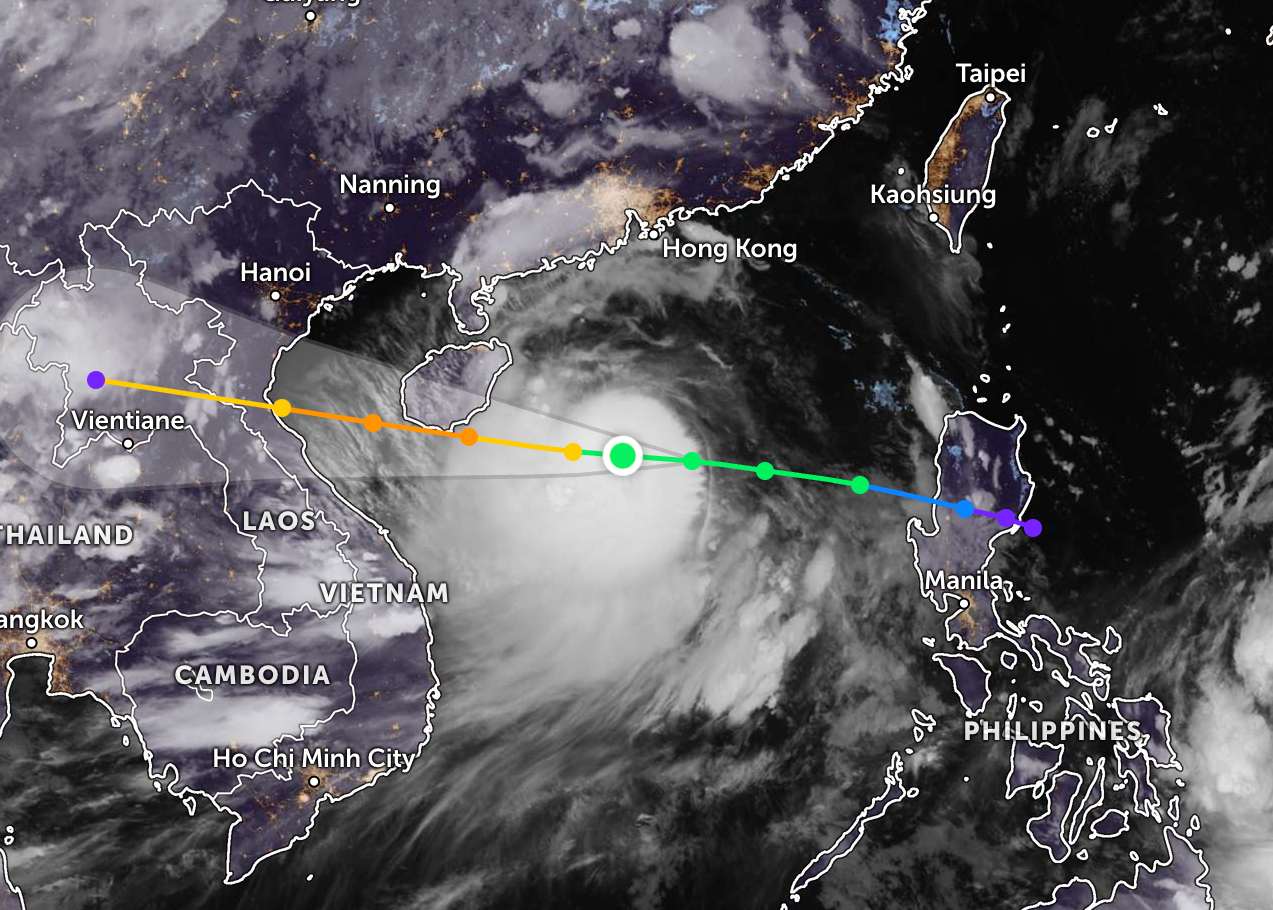
According to the emergency bulletin of the National Center for Hydro-Meteorological Forecasting, by August 25, as Typhoon No. 5 (Kajiki) approached the coast from Thanh Hoa to Thua Thien Hue, it strengthened to Category 11–12, with gusts reaching Category 15. The storm then gradually weakened into a tropical depression as it moved into central Laos on August 26.
Heavy widespread rainfall is forecast from the night of August 24 to August 26 across the Red River Delta, southern Phu Tho, and the area from Thanh Hoa to Hue, with rainfall ranging from 100–150 mm and localized amounts exceeding 250 mm. In particular, Thanh Hoa to Quang Tri provinces are expected to receive very heavy rainfall of 150–300 mm, with some areas exceeding 600 mm.
Typhoon No. 5 is forecast to be extremely strong. Acting Minister of Agriculture and Rural Development, Tran Duc Thang, confirmed that the storm has intensified to Category 14, moving quickly, and is considered highly dangerous. The entire political system has been mobilized to respond promptly and effectively.
So far, eight provinces from Ninh Binh to Quang Ngai have issued a ban on fishing at sea. Localities from Thanh Hoa to Hue are planning to evacuate over 90,000 households, totaling 325,000 people. Nearly 6,000 fishing boats with 288,000 fishermen have returned safely to shore before 7:00 p.m. More than 65,000 hectares of aquaculture farms from Quang Ninh to Hue are also being protected.
The Ministry of Agriculture and Rural Development, as the Standing Committee of the National Steering Committee, has issued Official Document No. 5873 dated August 21, 2025, requiring provinces from Quang Ninh to An Giang to closely monitor the low-pressure zone, promptly inform fishermen, and prepare rescue forces. The directive emphasizes evacuating people from dangerous areas, securing safe anchorage for boats, banning fishing in storm-affected zones, and inspecting reservoirs of irrigation and hydropower plants, ready for controlled discharge when necessary.
Typhoon No. 5 is predicted to be intense, with wide-ranging impacts, posing serious risks of flooding and landslides. However, with the Government’s strong directives and the proactive response of localities, measures such as vessel control, population evacuation, dyke reinforcement, and stockpiling of goods and medicine are being implemented synchronously to minimize damage.
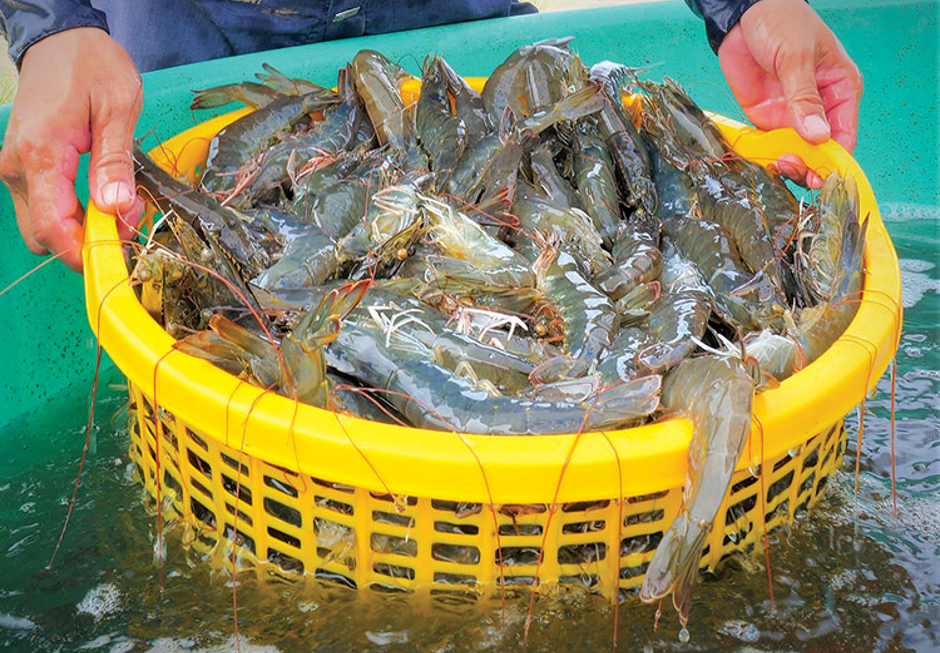
For aquaculture farmers, urgent actions are needed: reinforce cages, ponds, and dikes; move aquatic stocks to safer areas; and prepare emergency response plans. Above all, do not underestimate the storm when it makes landfall—prioritize safety of life, and avoid staying on cages or in high-risk zones. Timely actions will help reduce risks and minimize losses.
Source: Nguoinuoitom
Aqua Mina's distributor in Japan: REX INDUSTRIES CO., LTD
- Address: 1-9-3 Hishiya-Higashi, Higashi-Osaka 578-0948 JAPAN
- Email: kimakubo@rexind.co.jp
- Phone: +81-(0)72-961-9893
- Website: http://www.rexind.co.jp/e/
WE WORK FOR YOUR SUCCESS!
Ngày đăng : 08/09/2025
2210 View


Other Articles
Ca Mau, Can Tho and An Giang Play a Leading Role in Vietnam’s Shrimp Industry
Protecting rice-shrimp yields against environmental fluctuations caused by prolonged rain
AQUA MINA Turbo Blower: Quiet, Energy-Efficient Air Supply for Aquaculture Ponds
AQUA MINA has accompanied the experimental tank system project at Can Tho University from its very early days
AQUA MINA AMONG 20 OUTSTANDING PRESENTATIONS AT THE WORKSHOP ON APPLYING SCIENCE AND TECHNOLOGY TO IMPROVE THE QUALITY OF VIETNAM’S AQUATIC PRODUCTS
Vietnam’s Shrimp Farming Industry Enters the High-Tech Race
The U.S. market relies heavily on imported shrimp to bridge its domestic supply gap
The 2028 supply crisis: The shrimp industry is projected to face a 400,000-ton material shortage
High profits from high-tech shrimp farming come with persistent risks
Intensifying El Niño Effect: Climate Change Risks Threaten the Global Shrimp Supply Chain
Evaluating Gaps in the Circular Economy Value Chain of the Shrimp Industry
A Comprehensive Overview of the Vietnamese Shrimp Industry


.jpg)