



Spot the Difference: Wild or Farmed Shrimp?
This article will share simple tips to help you distinguish between farmed and wild-caught shrimp, ensuring you choose fresh, safe, and tasty shrimp for yourself and your family.
1. Observe the Shell
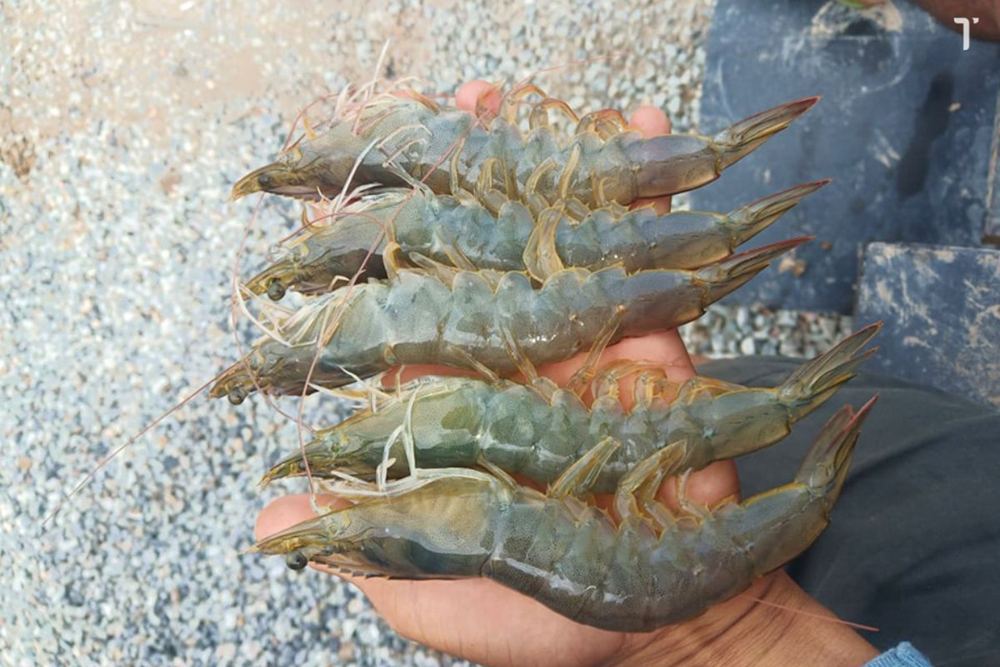
Wild-caught shrimp have thin, shiny shells with natural colors like greyish-green, light green, or pink-orange depending on the species. Their shells often have visible ridges and a slightly rough texture.
Farmed shrimp, on the other hand, usually have thicker shells with darker colors such as reddish-brown or dark brown. The shell is typically smooth and less textured than that of wild shrimp.
2. Check the Head
Wild shrimp have bright, translucent heads that are firmly attached to the body. Their eyes are black, shiny, and mobile.
Farmed shrimp often have darker, cloudier heads that detach more easily. Their eyes may appear dull or fixed in place.
3. Feel the Firmness of the Flesh
Wild shrimp have firm, elastic flesh that holds its shape well when pressed.
Farmed shrimp often have softer, mushier flesh that lacks elasticity and breaks apart easily.
4. Inspect the Back Vein (Black Line)
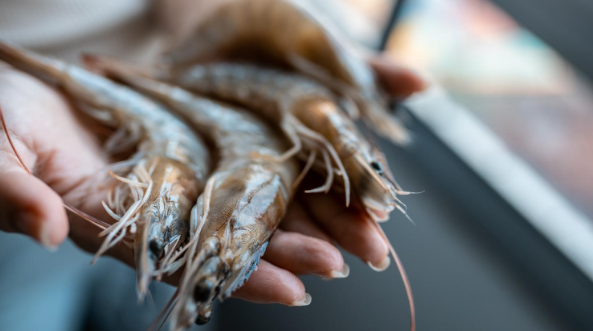
The back vein of wild shrimp is usually thin, sharp, and continuous.
In farmed shrimp, it tends to be thicker, darker, and broken in sections.
Additionally, wild shrimp often have long, slim legs with natural coloring, while farmed shrimp tend to have shorter, thicker legs that appear milky or pale.
5. Other Tips
Price can also be a clue: wild shrimp are typically more expensive than farmed shrimp.
For the best quality and safety, buy shrimp from reputable shops with clear sourcing and origin.
With these simple tips, we hope you now feel more confident in choosing fresh, high-quality shrimp for your family meals. Be a smart consumer to protect your health and the well-being of your loved ones.
Source: doisongphapluat.com.vn
Aqua Mina's distributor in Japan: REX INDUSTRIES CO., LTD
- Address: 1-9-3 Hishiya-Higashi, Higashi-Osaka 578-0948 JAPAN
- Email: kimakubo@rexind.co.jp
- Phone: +81-(0)72-961-9893
- Website: http://www.rexind.co.jp/e/
WE WORK FOR YOUR SUCCESS!
Ngày đăng : 16/05/2025
2559 View


Other Articles
Ca Mau, Can Tho and An Giang Play a Leading Role in Vietnam’s Shrimp Industry
Protecting rice-shrimp yields against environmental fluctuations caused by prolonged rain
AQUA MINA Turbo Blower: Quiet, Energy-Efficient Air Supply for Aquaculture Ponds
AQUA MINA has accompanied the experimental tank system project at Can Tho University from its very early days
AQUA MINA AMONG 20 OUTSTANDING PRESENTATIONS AT THE WORKSHOP ON APPLYING SCIENCE AND TECHNOLOGY TO IMPROVE THE QUALITY OF VIETNAM’S AQUATIC PRODUCTS
Vietnam’s Shrimp Farming Industry Enters the High-Tech Race
The U.S. market relies heavily on imported shrimp to bridge its domestic supply gap
The 2028 supply crisis: The shrimp industry is projected to face a 400,000-ton material shortage
High profits from high-tech shrimp farming come with persistent risks
Intensifying El Niño Effect: Climate Change Risks Threaten the Global Shrimp Supply Chain
Evaluating Gaps in the Circular Economy Value Chain of the Shrimp Industry
A Comprehensive Overview of the Vietnamese Shrimp Industry












.jpg)
