

Ca Mau’s Crab Farmers Face Scattered Deaths Due to Heatwaves
Crab Deaths Occur Despite Preventive Measures
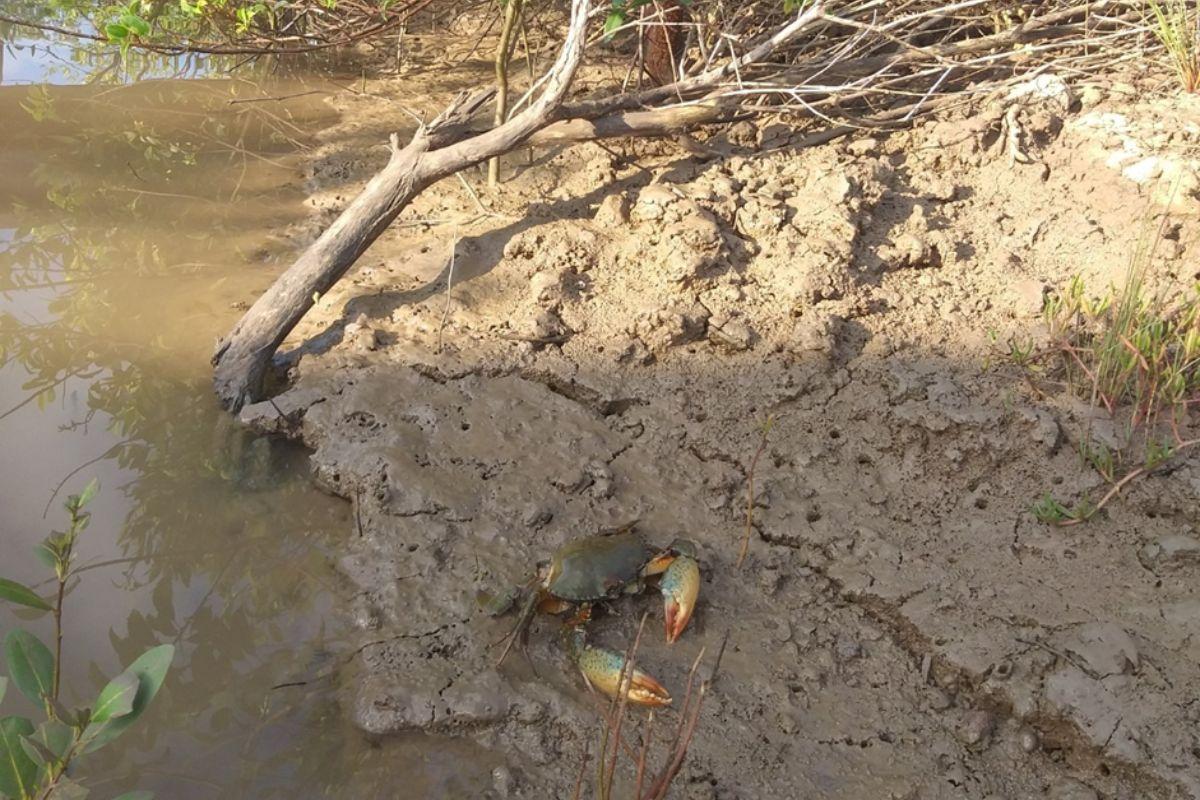
In Ly Van Lam commune, where many farmers operate under the rice-shrimp rotational model, ponds are currently undergoing harvest and re-stocking preparations. Yet scattered crab mortalities are already being reported—even in well-managed farms. Local households have employed traditional methods to cope with the heat, such as shading ponds with vegetation or palm leaves, increasing water levels, and reducing stocking density. Still, losses persist.
Reports from several farms indicate that while this year’s yield appears more promising—with an average size of four crabs per kilogram and selling prices reaching up to VND 200,000/kg—farmers are increasingly anxious. The shallow pond conditions create unstable environments with little refuge for crabs, leading to oxygen depletion and rapid, scattered die-offs. These incidents not only impact the upcoming supply for high-demand holidays like April 30 and September 2 but also drive up re-stocking and pond rehabilitation costs—posing risks to future crop cycles.
Off-Season Rains and Water Stratification Increase Mortality Risks
Beyond heat stress, unexpected off-season rains amid intense heat have also been flagged by experts as a growing concern. Sudden rainfall can cause thermal and salinity stratification in ponds, triggering osmotic shock in crabs and shrimp. Moreover, prolonged heat fuels the rapid growth of harmful algae and bacteria, especially those that release toxic compounds such as ammonia (NH₃), which further deteriorate pond conditions and threaten aquatic animal health.
A Call to Action Amid Climate Change
With climate change intensifying, extreme weather events like prolonged heatwaves are becoming a serious challenge for Vietnam’s aquaculture sector. To mitigate losses, proactive efforts by farmers must be paired with stronger support from local authorities and technical agencies. This includes timely weather forecasts, technical guidance, and the introduction of suitable technologies tailored to local farming conditions.
The recent scattered crab deaths in Ca Mau serve as a sobering warning for the entire aquaculture industry in the Mekong Delta. It underscores the high sensitivity of farmed aquatic species to environmental fluctuations. As the region approaches the start of the rainy season, strengthened pond management and real-time weather updates will be essential to safeguard yields and sustain farmer livelihoods.
Source: aquaculture.vn
Aqua Mina's distributor in Japan: REX INDUSTRIES CO., LTD
- Address: 1-9-3 Hishiya-Higashi, Higashi-Osaka 578-0948 JAPAN
- Email: kimakubo@rexind.co.jp
- Phone: +81-(0)72-961-9893
- Website: http://www.rexind.co.jp/e/
WE WORK FOR YOUR SUCCESS!
Ngày đăng : 04/08/2025
1724 View


Other Articles
Ca Mau, Can Tho and An Giang Play a Leading Role in Vietnam’s Shrimp Industry
Protecting rice-shrimp yields against environmental fluctuations caused by prolonged rain
AQUA MINA Turbo Blower: Quiet, Energy-Efficient Air Supply for Aquaculture Ponds
AQUA MINA has accompanied the experimental tank system project at Can Tho University from its very early days
AQUA MINA AMONG 20 OUTSTANDING PRESENTATIONS AT THE WORKSHOP ON APPLYING SCIENCE AND TECHNOLOGY TO IMPROVE THE QUALITY OF VIETNAM’S AQUATIC PRODUCTS
Vietnam’s Shrimp Farming Industry Enters the High-Tech Race
The U.S. market relies heavily on imported shrimp to bridge its domestic supply gap
The 2028 supply crisis: The shrimp industry is projected to face a 400,000-ton material shortage
High profits from high-tech shrimp farming come with persistent risks
Intensifying El Niño Effect: Climate Change Risks Threaten the Global Shrimp Supply Chain
Evaluating Gaps in the Circular Economy Value Chain of the Shrimp Industry
A Comprehensive Overview of the Vietnamese Shrimp Industry


.jpg)