

Does Weekly Sampling Really Cause Losses in Shrimp Farms?
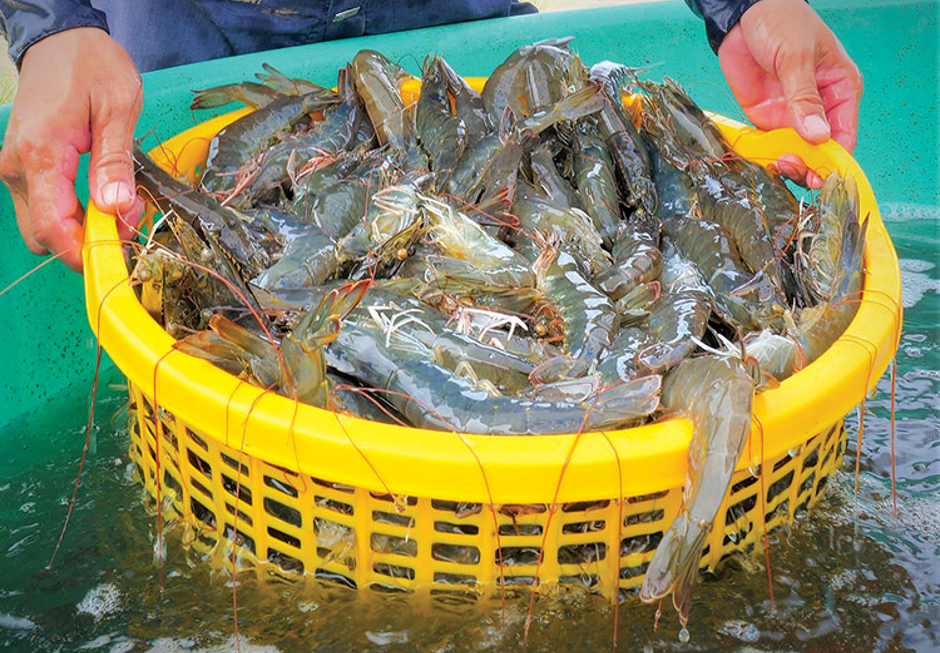
The importance of sampling
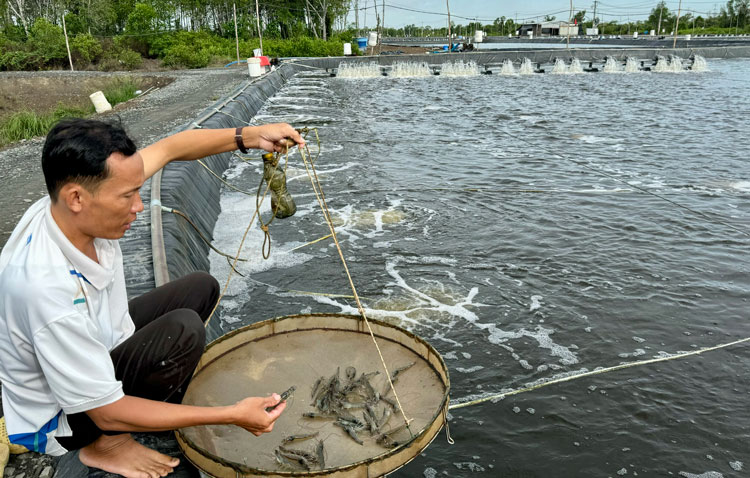
Through weekly sampling, farmers can:
1. Estimate shrimp size: sampling is also useful for estimating shrimp size and growth rate. Size is a system for counting shrimp based on the number of shrimp per kilogram.
2. Understand shrimp conditions: sampling helps detect any signs of disease or stress in shrimp. By identifying these issues through sampling, farmers can take early mitigation.
Why do shrimp get diseases or die after sampling?
Considering the numerous benefits of sampling, it is recommended that farmers do it regularly, ideally once a week. However, if shrimp gets diseases or even die after sampling, farmers should evaluate several factors, such as:
1. Dirty pond bottom:
A dirty pond bottom can become a breeding ground for pathogenic bacteria that cause shrimp disease. Therefore, ensure that the pond bottom at the sampling point is level and clean. Avoid excessive stirring on the pond bottom during sampling.
2. Non-sterile nets:
Non-sterile nets can serve as a medium for disease transmission to shrimp. Always sterilize nets prior to using them for sampling with disinfectants to kill any potential pathogens. Moreover, if the same net is used for multiple ponds, sterilize it before moving to the next pond.
3. Insufficient biosecurity measures:
Most of the losses experienced by farmers can be attributed to poor biosecurity measures. Biosecurity involves preventing the entry and spread of disease-causing organisms in the shrimp farm environment, and it should be applied to all phases of cultivation, including sampling. Some biosecurity measures include siphoning the bottom of the pond, regular water quality monitoring, and ensuring the cleanliness of the farmers or staff performing sampling. Also, when sampling in a pond which is suspected to have any shrimp disease, sample the pond last, after all other ponds have been sampled. Don’t forget to sterilize the net when switching ponds.
Other important notes for sampling
When conducting sampling, ensure that the shrimp are not in the molting phase for more accurate results. Also, sampling is best performed when it is not too sunny, ideally 2-3 hours after feeding to make shrimp collection easier. Additionally, do not change the water or feed the shrimp before and during sampling.
Cre: jala.tech
Aqua Mina's distributor in Japan: REX INDUSTRIES CO., LTD
- Address: 1-9-3 Hishiya-Higashi, Higashi-Osaka 578-0948 JAPAN
- Email: kimakubo@rexind.co.jp
- Phone: +81-(0)72-961-9893
- Website: http://www.rexind.co.jp/e/
WE WORK FOR YOUR SUCCESS!
Ngày đăng : 31/03/2025
2553 View


Other Articles
Ca Mau, Can Tho and An Giang Play a Leading Role in Vietnam’s Shrimp Industry
Protecting rice-shrimp yields against environmental fluctuations caused by prolonged rain
AQUA MINA Turbo Blower: Quiet, Energy-Efficient Air Supply for Aquaculture Ponds
AQUA MINA has accompanied the experimental tank system project at Can Tho University from its very early days
AQUA MINA AMONG 20 OUTSTANDING PRESENTATIONS AT THE WORKSHOP ON APPLYING SCIENCE AND TECHNOLOGY TO IMPROVE THE QUALITY OF VIETNAM’S AQUATIC PRODUCTS
Vietnam’s Shrimp Farming Industry Enters the High-Tech Race
The U.S. market relies heavily on imported shrimp to bridge its domestic supply gap
The 2028 supply crisis: The shrimp industry is projected to face a 400,000-ton material shortage
High profits from high-tech shrimp farming come with persistent risks
Intensifying El Niño Effect: Climate Change Risks Threaten the Global Shrimp Supply Chain
Evaluating Gaps in the Circular Economy Value Chain of the Shrimp Industry
A Comprehensive Overview of the Vietnamese Shrimp Industry


.jpg)