

Aqua Mina's Guide to Proper Use of Probiotics in Shrimp Farming
* Basic Principles:
Dilution and Aeration:
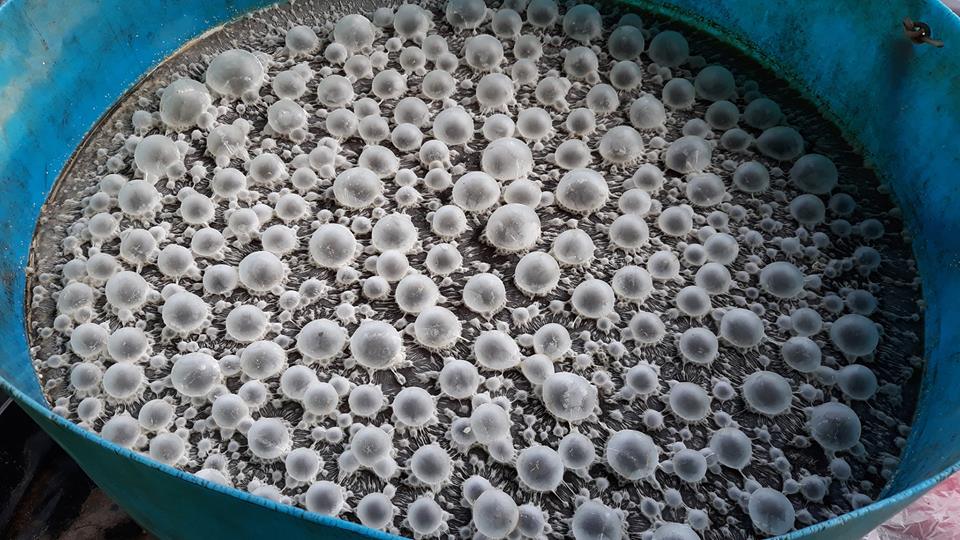
- Dilute the probiotic powder or liquid in water from the shrimp pond, pour it into a bucket (or basin), and aerate for 4-5 hours until fermentation is complete. After this, the mixture can be applied to the pond. Note that EM (Effective Microorganisms) probiotics should be anaerobically fermented.
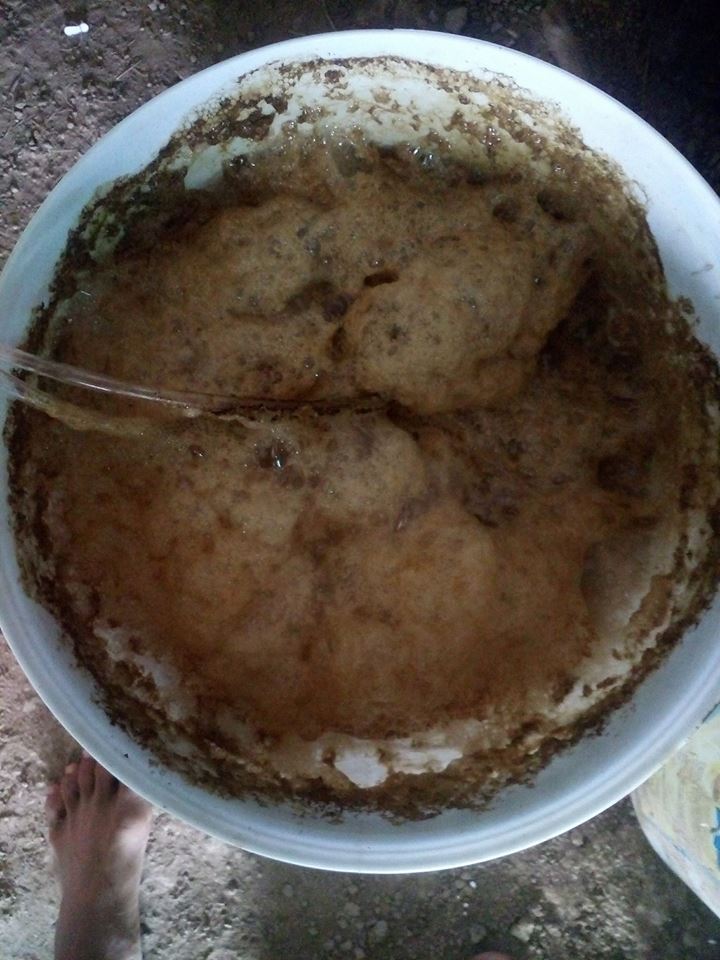
Aerobic Probiotics
Anaerobic Probiotics
Follow the dosage recommendations provided by the manufacturer. Adjustments may be necessary depending on the specific conditions of the pond.
* Timing and Frequency of Application:
1. Optimal Time of Day:
- Apply probiotics between 9-10 AM for general use.
- In cases where toxic algae need to be controlled, apply probiotics between 7-8 PM.
2. Regular Application:
- Probiotics should be used regularly throughout the shrimp farming cycle. Environmental treatment probiotics are generally applied every 7-10 days. For probiotics mixed into feed, alternate between 5 days of application and 5 days off.
3. In Conjunction with Fertilizers:
- Probiotics can be used alongside fertilizers for color development of the pond water, either simultaneously or after the water color has been established.
Special Considerations:
- Early Intervention:
- If the pond environment shows signs of deteriorating quality, such as high levels of toxic gases, excess organic matter, or bioluminescence in the water, probiotics should be applied earlier and at double the recommended dosage.
Pre-application Preparations:
- Before applying probiotics, it's essential to improve the pond environment by changing the water, adjusting the pH to between 7.5-8.5 using lime, and increasing the alkalinity with lime and buffers.
Using probiotics in shrimp farming can lead to faster shrimp growth, better health, and a more stable pond environment, ultimately resulting in higher productivity and better-quality shrimp
Ngày đăng : 04/09/2024
1547 View


Other Articles
Ca Mau, Can Tho and An Giang Play a Leading Role in Vietnam’s Shrimp Industry
Protecting rice-shrimp yields against environmental fluctuations caused by prolonged rain
AQUA MINA Turbo Blower: Quiet, Energy-Efficient Air Supply for Aquaculture Ponds
AQUA MINA has accompanied the experimental tank system project at Can Tho University from its very early days
AQUA MINA AMONG 20 OUTSTANDING PRESENTATIONS AT THE WORKSHOP ON APPLYING SCIENCE AND TECHNOLOGY TO IMPROVE THE QUALITY OF VIETNAM’S AQUATIC PRODUCTS
Vietnam’s Shrimp Farming Industry Enters the High-Tech Race
The U.S. market relies heavily on imported shrimp to bridge its domestic supply gap
The 2028 supply crisis: The shrimp industry is projected to face a 400,000-ton material shortage
High profits from high-tech shrimp farming come with persistent risks
Intensifying El Niño Effect: Climate Change Risks Threaten the Global Shrimp Supply Chain
Evaluating Gaps in the Circular Economy Value Chain of the Shrimp Industry
A Comprehensive Overview of the Vietnamese Shrimp Industry


.jpg)