

Indian shrimp faces major challenges from the new U.S. tax policy
India’s shrimp export industry is facing a major shock after the United States imposed retaliatory tariffs of up to 50% on many Indian products on August 27. When combined with the existing anti-dumping duty (2.5%) and countervailing duty (5.8%), the total tax on Indian frozen shrimp could exceed 58%.
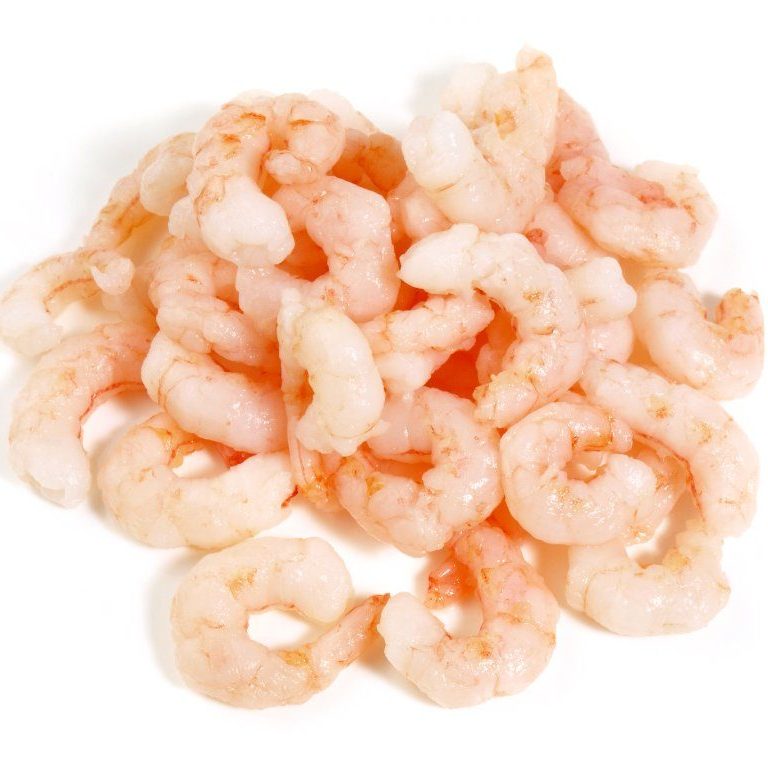
India’s shrimp export industry has been hit hard by the new U.S. tax policy.
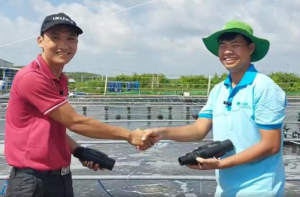
Photo: Manoj Sharma, Mayank Aquaculture.
This development is particularly alarming because the U.S. is India’s largest shrimp market, having imported 311,948 tons worth 2.68 billion USD in the 2024–2025 fiscal year — accounting for nearly 50% of the country’s total shrimp export revenue.
According to forecasts by Crisil, India’s shrimp exports could decline by 15–18% in the current fiscal year, as U.S. importers are likely to shift to Vietnam and Ecuador, which enjoy better tariff advantages. Additionally, China may expand its market share if it maintains its current trade agreement with Washington.
Shrimp is a key export product, contributing 5.17 billion USD — nearly 70% of India’s total seafood export value last year. Around 500,000 shrimp farmers and millions of workers in the supply chain, including feed, aquaculture medicine, processing, and logistics, are being affected by falling prices, stagnant exports, and rising debt concerns, especially in key states such as Andhra Pradesh, Odisha, and Tamil Nadu.
To cope with the situation, the Indian government is being urged to implement an emergency relief package including concessional credit, export credit guarantees, interest subsidies, and temporary assistance for farmers. In the long term, India is advised to diversify its markets, upgrade aquaculture and processing infrastructure, invest in broodstock, feed, and disease control, and expand its domestic market.
Source: vasep.com.vn

WE WORK FOR THE SUCCESS


Ca Mau, Can Tho and An Giang Play a Leading Role in Vietnam’s Shrimp Industry
Protecting rice-shrimp yields against environmental fluctuations caused by prolonged rain
AQUA MINA Turbo Blower: Quiet, Energy-Efficient Air Supply for Aquaculture Ponds
AQUA MINA has accompanied the experimental tank system project at Can Tho University from its very early days
AQUA MINA AMONG 20 OUTSTANDING PRESENTATIONS AT THE WORKSHOP ON APPLYING SCIENCE AND TECHNOLOGY TO IMPROVE THE QUALITY OF VIETNAM’S AQUATIC PRODUCTS
Vietnam’s Shrimp Farming Industry Enters the High-Tech Race
The U.S. market relies heavily on imported shrimp to bridge its domestic supply gap
The 2028 supply crisis: The shrimp industry is projected to face a 400,000-ton material shortage
High profits from high-tech shrimp farming come with persistent risks
Intensifying El Niño Effect: Climate Change Risks Threaten the Global Shrimp Supply Chain
Evaluating Gaps in the Circular Economy Value Chain of the Shrimp Industry
A Comprehensive Overview of the Vietnamese Shrimp Industry


.jpg)