


News 2023: Shrimp production in Bangladesh experiences a significant decrease
The decline in shrimp production is attributed to various factors, including reduced freshwater sources, viral attacks, reluctance among farmers to adopt modern methods, the quality of shrimp seeds, and drought conditions. Unusually low rainfall and higher-than-average temperatures have led to a dramatic increase in shrimp mortality rates across shrimp farms nationwide, partly due to a higher incidence of disease outbreaks. Losses in shrimp farming have caused many farmers in the region to abandon shrimp cultivation.
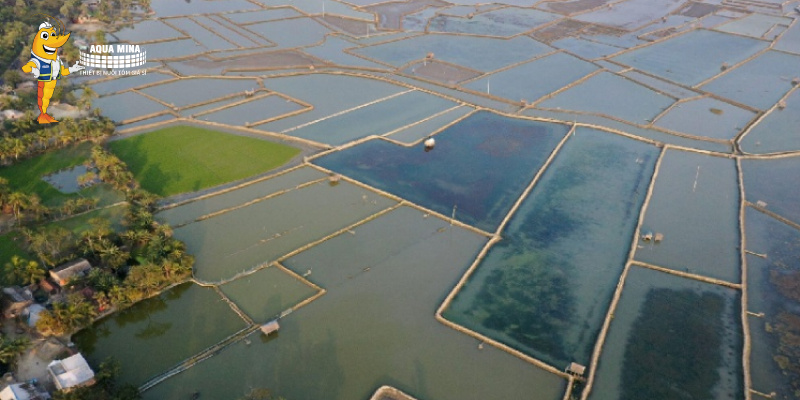
According to the Association of Frozen Food Exporters of Bangladesh, Bangladesh averaged over 30,000 tons of shrimp exports during the period from 2016 to 2020. However, by the middle of the current fiscal year, Bangladesh had only produced 13,592 tons of shrimp. Despite having a total of 38,892 shrimp farms nationwide, production rates have dropped to as low as 300 to 400 kg/ha, the lowest among all major shrimp-producing countries globally.
Higher livestock feed prices have also contributed to reduced profit margins. Furthermore, global demand has decreased, leading to a 24% drop in Bangladesh's shrimp prices during the current fiscal year. Due to the conflict involving Ukraine and Russia, major buyers of Bangladesh's shrimp, import volumes have been reduced.
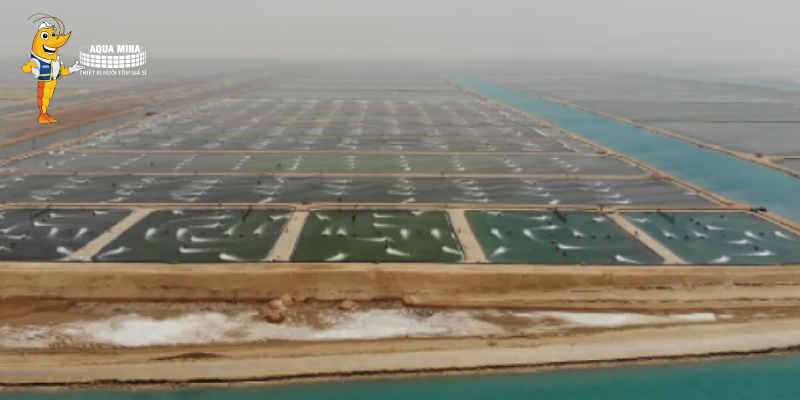
In the past fiscal year, Bangladesh's total seafood exports reached $422.3 million (EUR 391.8 million). Frozen shrimp exports make up a significant portion of Bangladesh's total seafood exports, with an export value of $300.3 million (EUR 278.6 million).
To improve the situation, in 2021, the Bangladesh government approved the expansion of a pilot project for farming whiteleg shrimp. The Association of Frozen Food Exporters of Bangladesh has also called for government assistance to expand processing capabilities for value-added products, contributing to increased income for the industry.
Cre: vasep.com.vn


Vietnam’s Shrimp Farming Industry Enters the High-Tech Race
The U.S. market relies heavily on imported shrimp to bridge its domestic supply gap
The 2028 supply crisis: The shrimp industry is projected to face a 400,000-ton material shortage
High profits from high-tech shrimp farming come with persistent risks
Intensifying El Niño Effect: Climate Change Risks Threaten the Global Shrimp Supply Chain
Evaluating Gaps in the Circular Economy Value Chain of the Shrimp Industry
A Comprehensive Overview of the Vietnamese Shrimp Industry
CA MAU ACCELERATES MARINE AQUACULTURE DEVELOPMENT FROM 2026 TO 2030, WITH A VISION TO 2045
VIETNAM’S SHRIMP INDUSTRY: FROM RECORD EXPORTS TO THE RACE FOR EFFICIENCY AND VALUE
Why Did a Customer Travel from Vinh Long to Ho Chi Minh City to Buy AQUA MINA PVC Knife Gate Valve
Green & Digital Transformation: A New Eco-Cycle for Shrimp-Rice Farming
High-Tech Shrimp Farming: A Double-Edged Sword









.jpg)