



The Importance of Sterilization in Shrimp Farms
Sterilization of the pond and equipment
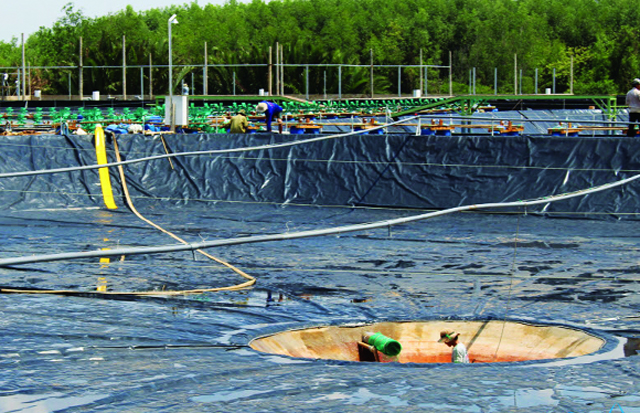
Clean the pond and equipment first with a disinfectant-infused high-pressure spray. The usage of 10 ppm trichloroisocyanuric acid (TCCA) and 30 ppm sodium hypochlorite is recommended. For chlorine disinfection. After disinfection, scrub the pond lining to make sure that the biofilm is lifted. Then, remove all the leftover sludge from the previous cycle as this is a source of pathogens and harmful components. If the farm suffered from disease outbreak in the previous cycle, use lime with a pH up to 11 to eradicate spores and prevent further outbreaks in the next cycle.
Water Quality Parameters
Toxicity testing should be used to monitor the presence of pollutants in the water of shrimp farms, whether they are solid particles or gases. This test examines how aquatic creatures react to the presence of harmful chemicals such as ammonia, nitrite, and nitrate. It’s vital to remember that depending on the species being raised, these drugs will be tolerated at varying doses. The toxicity test will reveal the point at which the aforementioned compounds start to stress the shrimp.
Water Sterilization
Water sterilization requires two steps: prefiltration and disinfection. For prefiltration, use filters with a mesh of less than 200-300 microns at the water inlet to prevent entry of pathogens, predators and undesirable settleable solids. The filters should be maintained regularly by rinsing them with clean water and removing any deposits. When it comes to water disinfection, chemical disinfectants should be used to eliminate all germs. For 24 hours, add 20–30 ppm sodium
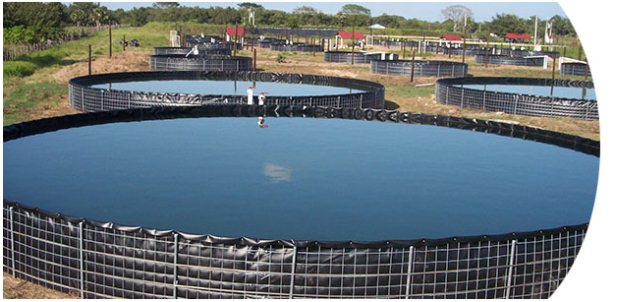
hypochlorite 60 percent, 0.5–2.5 ppm KMnO4, and 10 ppm TCCA to the filtered water. During chemical disinfection, maintain maximum aeration. To get rid of the leftover chlorine, multiply the remaining chlorine concentration by three to get the right amount of sodium thiosulphate. Finally, repeat the process two to seven times throughout the course of 24 hours.
Cre: delosaqua.com
Contact AQUA MINA for consultation and supply of aquaculture round tanks and aquaculture equipment for high-tech shrimp farming.
- Address: 685 National Highway 1A, Binh Hung Hoa Ward, Binh Tan District, Ho Chi Minh City
- Phone: 1800 6071 (Toll-free hotline)
- Email: sales@aquamina.com.vn or oversea@aquamina.com.vn
Aqua Mina's distributor in Japan:
REX INDUSTRIES CO., LTD
- Address: 1-9-3 Hishiya-Higashi, Higashi-Osaka 578-0948 JAPAN
- Email: kimakubo@rexind.co.jp
- Phone: +81-(0)72-961-9893
- Website: http://www.rexind.co.jp/e/
WE WORK FOR YOUR SUCCESS!
Ngày đăng : 21/02/2025
2610 View


Other Articles
Ca Mau, Can Tho and An Giang Play a Leading Role in Vietnam’s Shrimp Industry
Protecting rice-shrimp yields against environmental fluctuations caused by prolonged rain
AQUA MINA Turbo Blower: Quiet, Energy-Efficient Air Supply for Aquaculture Ponds
AQUA MINA has accompanied the experimental tank system project at Can Tho University from its very early days
AQUA MINA AMONG 20 OUTSTANDING PRESENTATIONS AT THE WORKSHOP ON APPLYING SCIENCE AND TECHNOLOGY TO IMPROVE THE QUALITY OF VIETNAM’S AQUATIC PRODUCTS
Vietnam’s Shrimp Farming Industry Enters the High-Tech Race
The U.S. market relies heavily on imported shrimp to bridge its domestic supply gap
The 2028 supply crisis: The shrimp industry is projected to face a 400,000-ton material shortage
High profits from high-tech shrimp farming come with persistent risks
Intensifying El Niño Effect: Climate Change Risks Threaten the Global Shrimp Supply Chain
Evaluating Gaps in the Circular Economy Value Chain of the Shrimp Industry
A Comprehensive Overview of the Vietnamese Shrimp Industry












.jpg)
