

Effective Use of Siphon Pits in High-Tech Intensive and Super-Intensive White-Leg Shrimp Farming
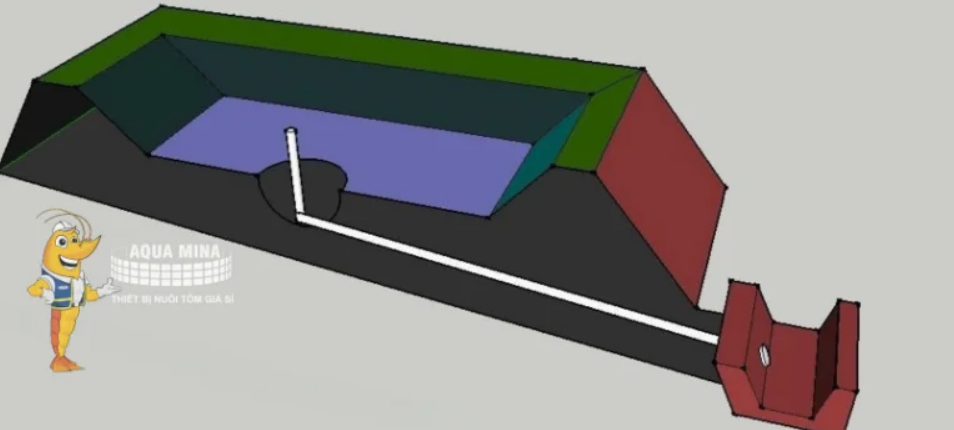
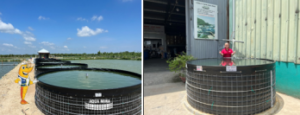
With such pond designs, waste is directed into a central siphon pit, which is typically conical in shape and wide enough to collect organic matter. The diameter of the pit opening usually ranges from 30 to 50 cm, depending on the pond size, and the vertical distance from the pit opening to the bottom is about 40–50 cm.
Organic Waste Accumulation Leads to Toxic Conditions
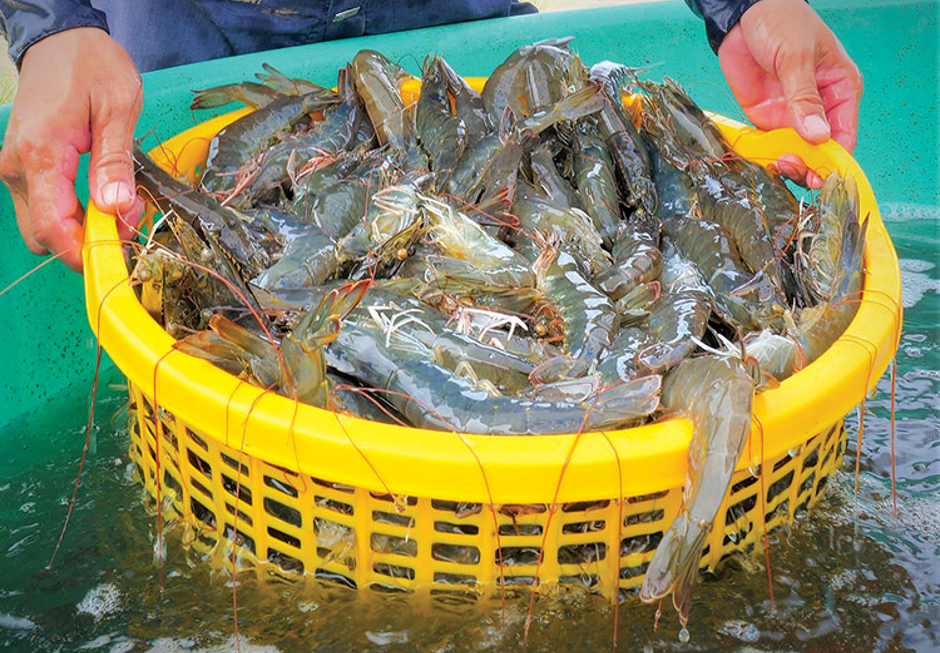
As farming progresses, the accumulation of organic matter in the siphon pit increases with shrimp biomass, feed frequency, and density. Under high temperatures and strong sunlight, the rate of decomposition intensifies—consuming dissolved oxygen and releasing toxic gases such as ammonia (NH₃), hydrogen sulfide (H₂S), and nitrite (NO₂).
These gases can severely stress shrimp, especially when pond pH exceeds 8.2. From 11 a.m. to 4 p.m., when pH tends to rise, more NH₃ is generated, fueling the natural nitrogen cycle and increasing NO₂ levels.
When NH₃ exceeds 0.1 mg/L and NO₂ exceeds 0.02 mg/L, shrimp exhibit abnormal behavior—swimming at the surface, along pond edges, or surfacing in the early morning or late afternoon. NO₂ binds with hemocyanin in shrimp blood to form methemoglobin, which reduces oxygen transport, causing hypoxia.
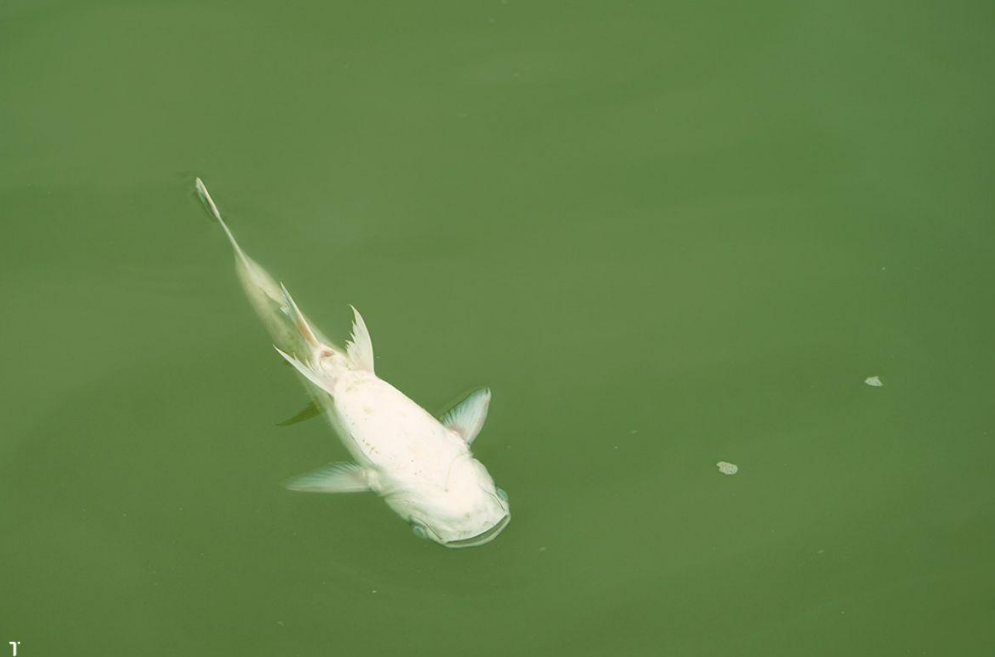
As a result, shrimp reduce feed intake or stop eating, molting becomes difficult or incomplete, shells stay soft, growth slows, and dead shrimp may be found at the siphon pit—sometimes with only the muscle (meat) left behind.
Low Salinity Exacerbates the Issue
In low-salinity environments, osmotic pressure imbalances between shrimp and water further complicate molting. The competition between NO₂⁻ and Cl⁻ ions hinders molting and shell hardening, leading to stress, vulnerability to external parasites and bacteria, gill damage, and mass mortality.
Proper Siphon Design and Operation Are Critical
Siphon pits must be well-designed and used consistently in intensive shrimp farming systems. The frequency, timing, and duration of siphoning—and the farmer's experience—greatly affect water quality.
In the first month, organic waste is still low. Siphoning once or twice daily for 1–1.5 hours is sufficient to remove waste in and around the pit.
From the second month onward, organic matter builds up rapidly throughout the day. Siphoning should be increased to 3–4 times/day, each lasting 2–2.5 hours, ideally 30–60 minutes after feeding.
For high-density systems, installing automatic siphon systems is highly recommended.
Proactive Waste Removal = Healthy Shrimp + Cost Savings
Regular and proactive siphoning helps prevent toxic gas accumulation and disease outbreaks. This not only reduces the need for medication but also creates a clean environment for faster growth, better survival rates, and improved feed conversion ratio (FCR).
Source: Tép Bạc
Aqua Mina's distributor in Japan: REX INDUSTRIES CO., LTD
- Address: 1-9-3 Hishiya-Higashi, Higashi-Osaka 578-0948 JAPAN
- Email: kimakubo@rexind.co.jp
- Phone: +81-(0)72-961-9893
- Website: http://www.rexind.co.jp/e/
WE WORK FOR YOUR SUCCESS!
Ngày đăng : 25/04/2025
2842 View


Other Articles
Ca Mau, Can Tho and An Giang Play a Leading Role in Vietnam’s Shrimp Industry
Protecting rice-shrimp yields against environmental fluctuations caused by prolonged rain
AQUA MINA Turbo Blower: Quiet, Energy-Efficient Air Supply for Aquaculture Ponds
AQUA MINA has accompanied the experimental tank system project at Can Tho University from its very early days
AQUA MINA AMONG 20 OUTSTANDING PRESENTATIONS AT THE WORKSHOP ON APPLYING SCIENCE AND TECHNOLOGY TO IMPROVE THE QUALITY OF VIETNAM’S AQUATIC PRODUCTS
Vietnam’s Shrimp Farming Industry Enters the High-Tech Race
The U.S. market relies heavily on imported shrimp to bridge its domestic supply gap
The 2028 supply crisis: The shrimp industry is projected to face a 400,000-ton material shortage
High profits from high-tech shrimp farming come with persistent risks
Intensifying El Niño Effect: Climate Change Risks Threaten the Global Shrimp Supply Chain
Evaluating Gaps in the Circular Economy Value Chain of the Shrimp Industry
A Comprehensive Overview of the Vietnamese Shrimp Industry


.jpg)