



Diversity in Shrimp and Fish Farming
Combining Diverse Farming Models
If farmers only focus on farming shrimp, their income is solely dependent on shrimp. In case of an unexpected disease outbreak, the losses can be significant. However, if shrimp farming is combined with other species, such as crabs, fish, or eels, the income sources diversify. One comes from shrimp, and the other from the additional species. In case shrimp encounter diseases, the income from fish, crabs, or eels can still help mitigate the financial losses.
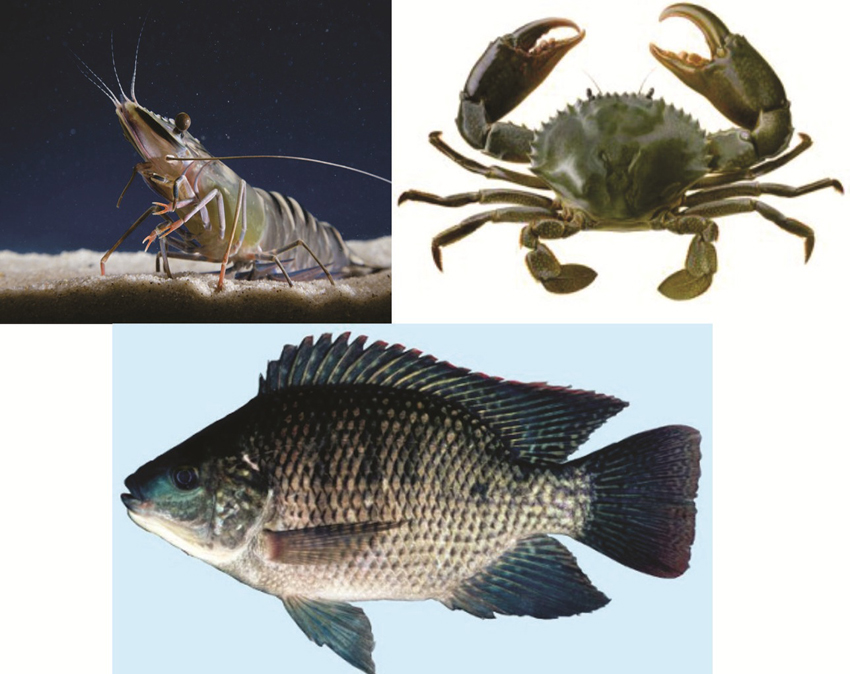
Typically, the additional species farmed are tilapia or barramundi, as these fish are highly adaptable and have strong resistance.
Check out this article for a clear example: THE WORLD'S FIRST VERTICAL AQUACULTURE MODEL.
Cost-Saving through Combination
By combining shrimp farming with other species, farmers can save in various ways:
- Water Conservation: It reduces the need for water changes, thus cutting down on labor and operational costs.
- Feed Efficiency: Wastewater and organic waste from shrimp ponds can be used as nutrients for crops and other species like fish, reducing the need for additional feed.
- Environmetal Benefits: It helps maintain a sustainable environment by preventing wastewater discharge that could lead to pollution.
By confidently applying parallel farming models, farmers can manage risks from afar, maintain peace of mind, and focus on other productive tasks more efficiently.
Ngày đăng : 17/10/2024
2381 View


Other Articles
Ca Mau, Can Tho and An Giang Play a Leading Role in Vietnam’s Shrimp Industry
Protecting rice-shrimp yields against environmental fluctuations caused by prolonged rain
AQUA MINA Turbo Blower: Quiet, Energy-Efficient Air Supply for Aquaculture Ponds
AQUA MINA has accompanied the experimental tank system project at Can Tho University from its very early days
AQUA MINA AMONG 20 OUTSTANDING PRESENTATIONS AT THE WORKSHOP ON APPLYING SCIENCE AND TECHNOLOGY TO IMPROVE THE QUALITY OF VIETNAM’S AQUATIC PRODUCTS
Vietnam’s Shrimp Farming Industry Enters the High-Tech Race
The U.S. market relies heavily on imported shrimp to bridge its domestic supply gap
The 2028 supply crisis: The shrimp industry is projected to face a 400,000-ton material shortage
High profits from high-tech shrimp farming come with persistent risks
Intensifying El Niño Effect: Climate Change Risks Threaten the Global Shrimp Supply Chain
Evaluating Gaps in the Circular Economy Value Chain of the Shrimp Industry
A Comprehensive Overview of the Vietnamese Shrimp Industry












.jpg)
