



Benefits of Diatoms in Shrimp Farming
What Are Diatoms?
Diatoms are a type of phytoplankton that can form clusters in the shape of thin threads, fans, zig-zags, or stars. These beneficial algae are nutrient-rich, containing vitamins, and serve as an excellent food source for shrimp and fish. Diatoms, also known by other names such as silica algae or golden-brown algae, can live in freshwater, saltwater, soil, or on the ground.
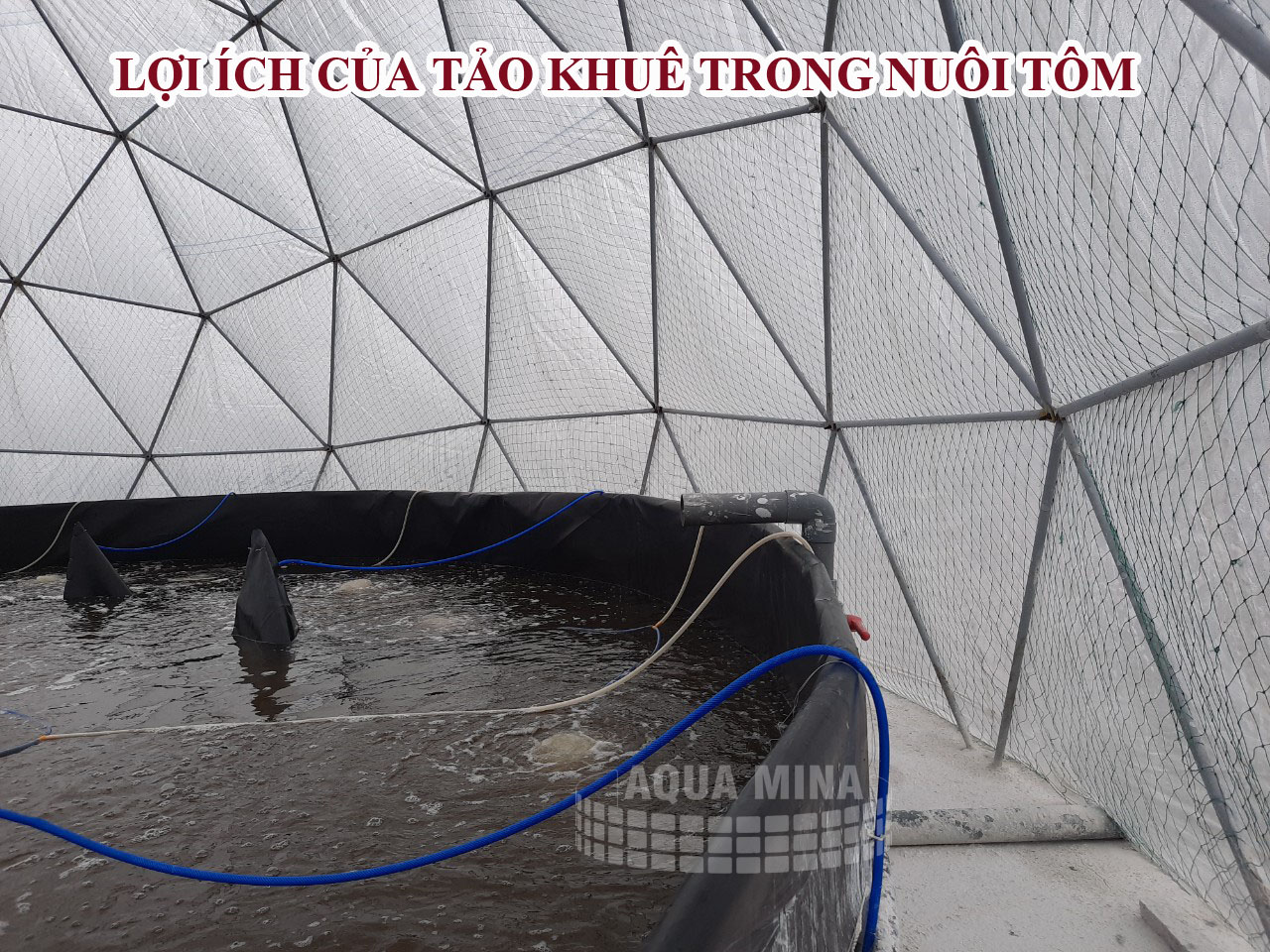
Benefits of Silica Algae (Diatoms)
When diatoms thrive, they turn the water brownish-yellow or cloudy yellow (similar to tea water), and are rich in sterols, unsaturated fatty acids, calcium, magnesium, iron, inorganic salts, and various vitamins. Aquatic animals can easily absorb and digest them. Additionally, diatoms play a special role in water filtration and maintaining ecological balance.
Experts have found that feeding shrimp and fish with diatom-based food increases productivity compared to only using industrial feed. Therefore, using microalgae as a necessity to produce nutrient-rich food for aquaculture is highly recommended.
Diatoms are a unique nutritional blend that stimulates the growth of aquatic animals. This collection of nutrients creates live food in the pond, promoting sustainable growth, disease-free conditions, and a safe environment for shrimp and fish to maximize yield. In shrimp ponds, diatoms can reduce reliance on industrial feed by up to 15%, as shrimp prefer live diatoms over pellet feed.
Diatoms help stabilize the ecosystem and reduce fluctuations in water quality parameters. Moreover, diatoms can limit harmful substances like ammonia and heavy metals, while preventing the growth of harmful algae.
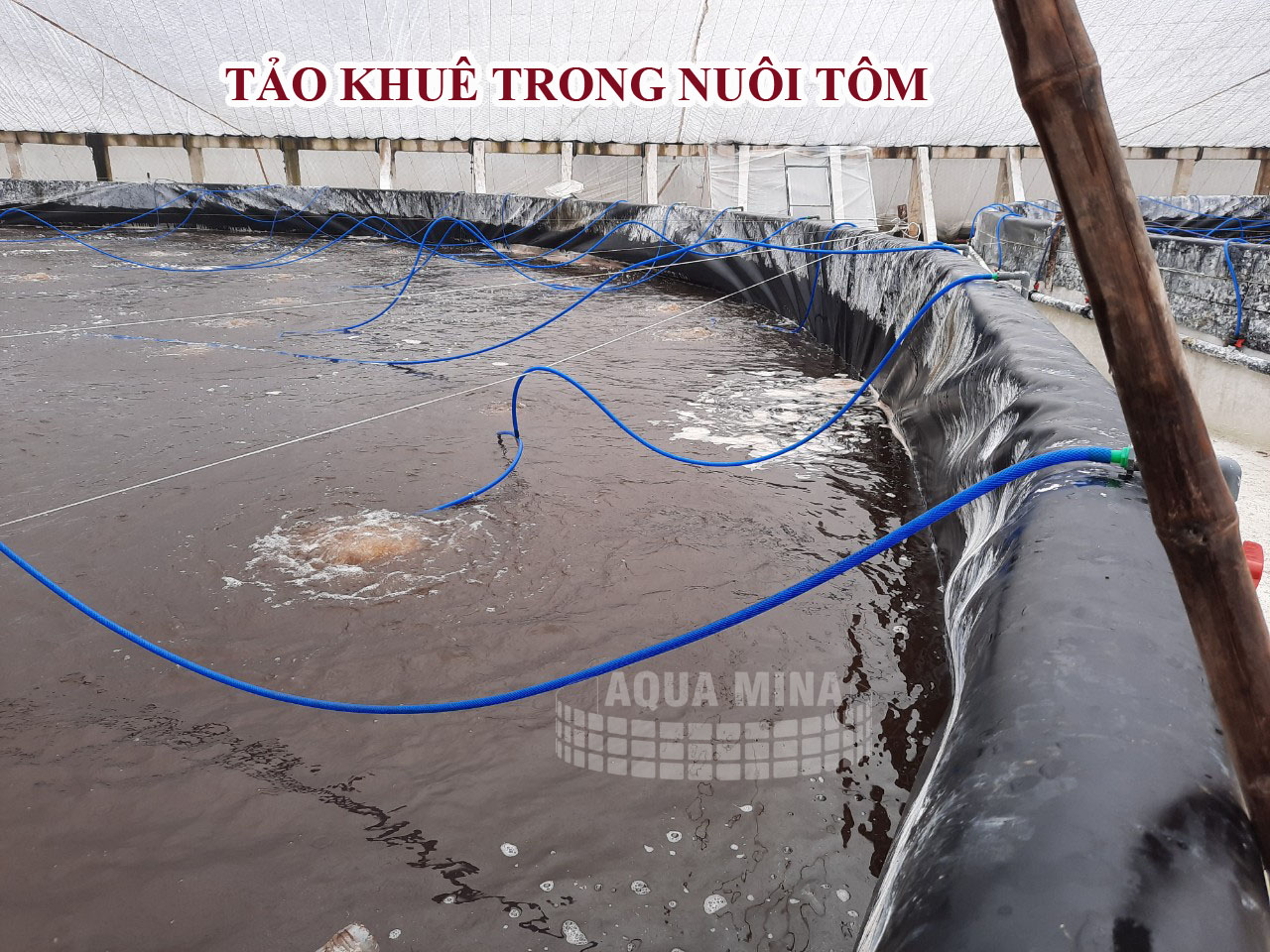
How to Cultivate Diatoms for Shrimp Ponds
In shrimp and fish farming techniques, the first step is constructing the pond system, followed by water treatment and color development before stocking the juveniles. This is the optimal time for farmers to cultivate diatoms in their shrimp and fish ponds.
Method:
Introduce probiotics to create diatom water color at a dosage of 500 g for 5,000 m³ of water. Use 1 kg of minerals per 1,000 m³ to stimulate the growth of diatoms and other beneficial algae in the pond, providing a rich natural food source that helps reduce the feed conversion ratio. After 2–3 days, when the pond water has turned tea-colored, juveniles can be stocked.
From the second month of farming onwards, the pond will accumulate nutrients from leftover feed and shrimp waste. At this point, harmful algae can thrive and dominate the pond. To maintain the tea color of diatoms, it is important to manage feed properly and regularly treat organic waste accumulated at the bottom of the pond. Probiotics should be applied every 5–7 days at a dosage of 500 g per 5,000 m³ of water. Probiotic inoculation is best done at 6 PM for optimal results.
Ngày đăng : 17/10/2024
2782 View


Other Articles
CA MAU ACCELERATES MARINE AQUACULTURE DEVELOPMENT FROM 2026 TO 2030, WITH A VISION TO 2045
VIETNAM’S SHRIMP INDUSTRY: FROM RECORD EXPORTS TO THE RACE FOR EFFICIENCY AND VALUE
Why Did a Customer Travel from Vinh Long to Ho Chi Minh City to Buy AQUA MINA PVC Knife Gate Valve
Green & Digital Transformation: A New Eco-Cycle for Shrimp-Rice Farming
High-Tech Shrimp Farming: A Double-Edged Sword
Why are PVC knife gate valves preferred for bottom drain pipes in shrimp and fish ponds?
EU’s New Packaging Life Cycle Regulations: What Should Seafood Businesses Prepare For?
Wild Shrimp Harvesting Faces Challenges in Supply and Sustainability
Minh Phú Invests in Production Expansion and Accelerates Automation in the Shrimp Industry
The U.S. Shrimp Market Recovers and Moves Toward Stability
What needs to be checked on a knife gate valve before it reaches the customer?
Mastering RAS technology: The answer to green aquaculture



.jpg)