

How to Choose the Right Feed for Each Stage of Shrimp Farming
1. Whiteleg shrimp need suitable feed for optimal growth.
Stocking Stage
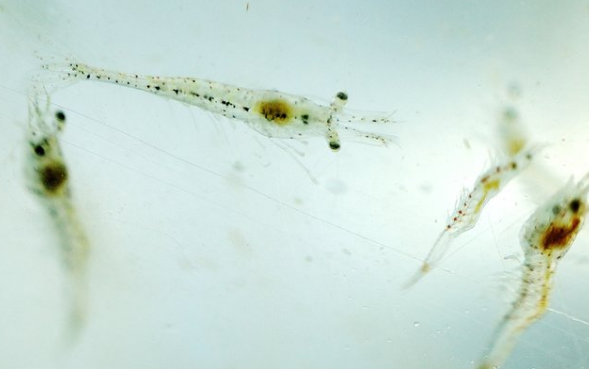
When shrimp are first introduced into the pond, also known as the larval stage, this is a crucial period as the shrimp are very sensitive and prone to stress. The feed at this stage must be nutritious and easily digestible. In the early stages, shrimp require fine powder feed for better absorption. This type of feed typically contains essential nutrients like protein, lipids, carbohydrates, vitamins, and minerals. In addition to commercial feed, shrimp larvae also need live feed such as algae, Artemia larvae, and natural microorganisms. These feeds help with digestion and boost the immune system.
Growing Stage
As shrimp begin to grow, their nutritional needs change. At this stage, feed should be adjusted to match the growth rate of the shrimp. When shrimp reach a larger size, fine powder feed is no longer suitable. Instead, switch to small pellet feed. This type of feed is easier for shrimp to consume and reduces feed wastage in the pond. During this stage, shrimp require more protein to develop muscle and increase weight. Choose feed with a high protein content, around 30-40%, to ensure optimal growth.
Maturation Stage
When shrimp reach maturity, their nutritional needs change again. At this point, feed must provide sufficient energy to maintain health and prepare for reproduction. Mature shrimp need larger pellets that match their mouth size. This type of feed helps them eat more quickly and reduces wastage. During this stage, a balanced diet of protein, lipids, and carbohydrates is necessary to maintain health. Select feed with a balanced nutritional formula to keep shrimp healthy.
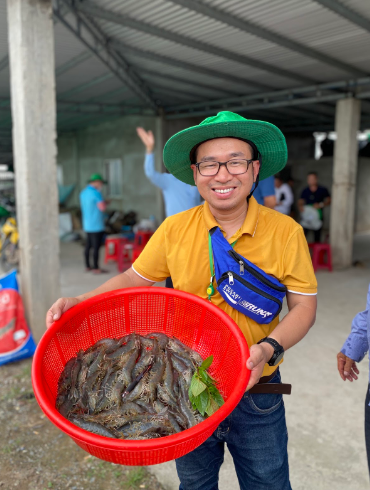
* Choosing High-Quality Feed
In addition to selecting the appropriate feed for each stage, shrimp farmers should consider other important factors to ensure feed quality and farming efficiency:
Always choose feed from reputable suppliers to ensure quality. Poor-quality feed can reduce farming efficiency and harm shrimp health.
Check the expiration date of the feed before purchasing and using it. Expired feed loses nutritional value and may contain harmful substances.
Store feed properly to prevent mold and spoilage. Keep feed in a dry, cool place away from direct sunlight.
Improving Shrimp Farming Efficiency Through Feed Management
Feeding the Right Amount at the Right Time: Avoid overfeeding or underfeeding. Adjust feed amounts based on shrimp size and quantity in the pond. Regularly observe shrimp feeding behavior to adjust feed amounts as needed.
Using Modern Technology: Employ automatic feeding devices and modern pond management technology to accurately control feed amounts and minimize waste.
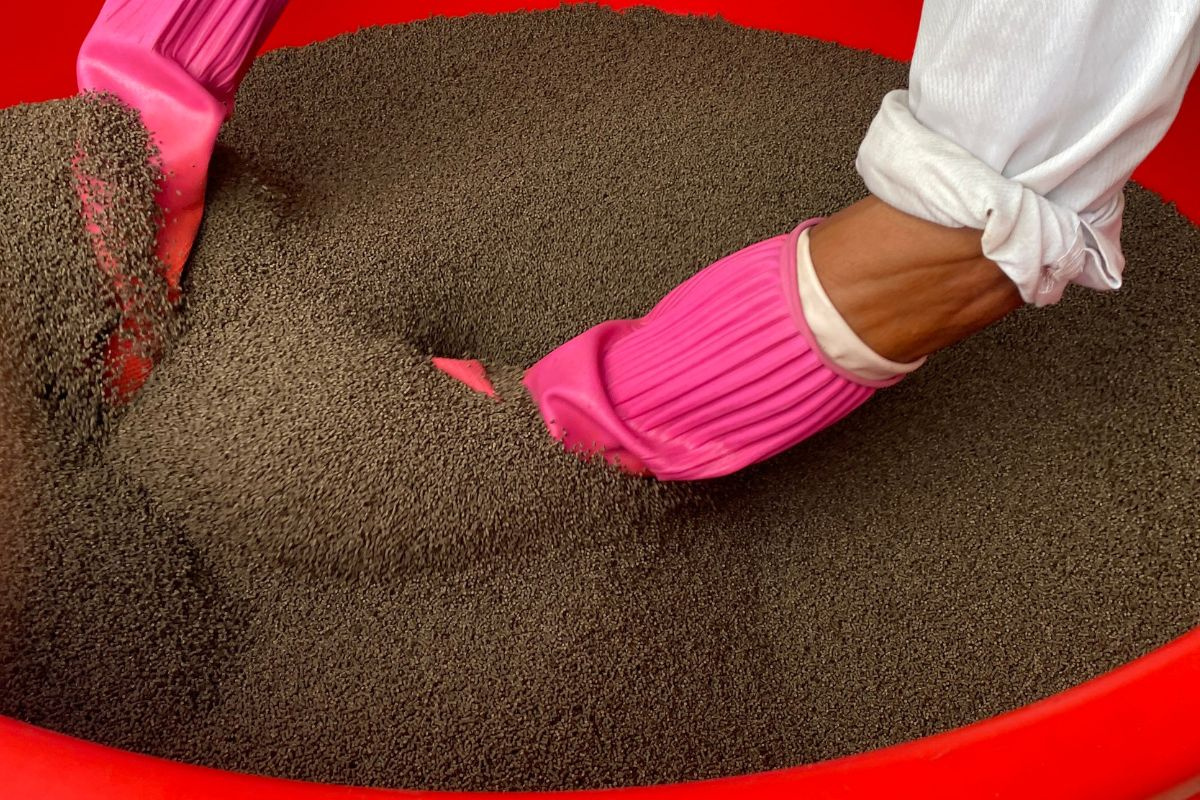
Monitoring and Adjusting Feed Regularly check shrimp health and growth rates to adjust feeding regimes. This helps shrimp grow well and minimizes disease risks.
Choosing the right feed for each shrimp farming stage is crucial to the success of the farming operation. By understanding the nutritional needs of shrimp at each stage and applying the above tips, shrimp farmers can ensure the best health for their shrimp, optimize farming efficiency, and achieve high yields. Proper feed management not only promotes strong shrimp development but also contributes to the sustainable growth of the shrimp farming industry.
Source: Tep Bac
Ngày đăng : 14/08/2024
1671 View


Other Articles
Ca Mau, Can Tho and An Giang Play a Leading Role in Vietnam’s Shrimp Industry
Protecting rice-shrimp yields against environmental fluctuations caused by prolonged rain
AQUA MINA Turbo Blower: Quiet, Energy-Efficient Air Supply for Aquaculture Ponds
AQUA MINA has accompanied the experimental tank system project at Can Tho University from its very early days
AQUA MINA AMONG 20 OUTSTANDING PRESENTATIONS AT THE WORKSHOP ON APPLYING SCIENCE AND TECHNOLOGY TO IMPROVE THE QUALITY OF VIETNAM’S AQUATIC PRODUCTS
Vietnam’s Shrimp Farming Industry Enters the High-Tech Race
The U.S. market relies heavily on imported shrimp to bridge its domestic supply gap
The 2028 supply crisis: The shrimp industry is projected to face a 400,000-ton material shortage
High profits from high-tech shrimp farming come with persistent risks
Intensifying El Niño Effect: Climate Change Risks Threaten the Global Shrimp Supply Chain
Evaluating Gaps in the Circular Economy Value Chain of the Shrimp Industry
A Comprehensive Overview of the Vietnamese Shrimp Industry


.jpg)