

Indonesia considers lifting lobster larvae export ban
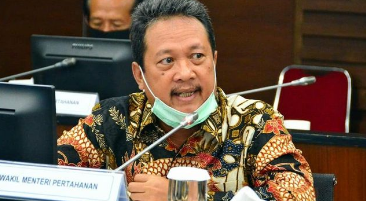
Indonesian Maritime Affairs and Fisheries Minister Sakti Wahyu Trenggono was quoted by local media as saying that Vietnam had been the prime destination for Indonesia’s lobster larvae exports, adding that revenue from exporting the product to Vietnam was estimated to reach 2.5 billion USD.
He said that Vietnam needs to invest first or engage in cultivation in Indonesia, so that Indonesia can also reap the benefits and achieve a multiplier effect as well. Afterward, if everything is successful, Indonesia will conduct a further review, the official added.
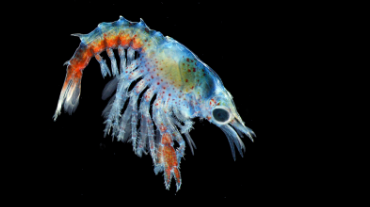
Exports of lobster larvae were halted in 2016 to prevent over-exploitation, but were reopened in 2020 under former fisheries minister Edhy Prabowo.
However, the ministry reimposed the ban in mid-2021, which has remained in effect until now, following the conviction of Edhy who was sentenced to five years in prison for accepting bribes in exchange for issuing export licences. Sakti defended the plan, saying lobster larvae smuggling had become rife since the ban was enacted.
The official said the Indonesian government may consider reopening the exports, but promised it will be accompanied by efforts to attract investors in the domestic aquaculture sector. He added that the review process of reopening exports is hoped to conclude next year.
According to the ministry’s aquaculture director general, TB Haeru Rahayu, the ministry is currently formulating a specific ministerial regulation for the export of lobster larvae. He added that the regulation was also undergoing public consultation. However, Haeru is pessimistic about whether the ministry can complete and implement the regulation in 2024, due to its rigorous process.
Earlier, Indonesia’s Maritime Affairs and Fisheries Ministry laid out possible schemes to reopen the exports, saying it will promote technological exchanges, to develop the domestic aquaculture sector.
The proposed regulation will also require exporters who purchase wild-caught lobster larvae from fishermen to ensure that a specified number of larvae are released from fish farms into the wild to replenish the population.
Cre: Vietnam Plus


Ca Mau, Can Tho and An Giang Play a Leading Role in Vietnam’s Shrimp Industry
Protecting rice-shrimp yields against environmental fluctuations caused by prolonged rain
AQUA MINA Turbo Blower: Quiet, Energy-Efficient Air Supply for Aquaculture Ponds
AQUA MINA has accompanied the experimental tank system project at Can Tho University from its very early days
AQUA MINA AMONG 20 OUTSTANDING PRESENTATIONS AT THE WORKSHOP ON APPLYING SCIENCE AND TECHNOLOGY TO IMPROVE THE QUALITY OF VIETNAM’S AQUATIC PRODUCTS
Vietnam’s Shrimp Farming Industry Enters the High-Tech Race
The U.S. market relies heavily on imported shrimp to bridge its domestic supply gap
The 2028 supply crisis: The shrimp industry is projected to face a 400,000-ton material shortage
High profits from high-tech shrimp farming come with persistent risks
Intensifying El Niño Effect: Climate Change Risks Threaten the Global Shrimp Supply Chain
Evaluating Gaps in the Circular Economy Value Chain of the Shrimp Industry
A Comprehensive Overview of the Vietnamese Shrimp Industry


.jpg)