

With no information confusion, agricultural products have increased export opportunities to the EU
On February 22, SPS Vietnam Office and Tentamus Innovation Center (Tentamus Group) signed a memorandum of cooperation to deploy a software system to notify contents and regulations related to hygiene, epidemiology and animal and plant quarantine (SPS) from World Trade Organization (WTO) members.
Accordingly, the Vietnam SPS Office and the Tentamus Innovation Center agree to support and coordinate to effectively notify SPS-related content to Vietnamese manufacturers and exporters; Answer questions to help Vietnamese products meet technical standards so they can be imported into markets requiring high technical standards such as the EU, US, UK…
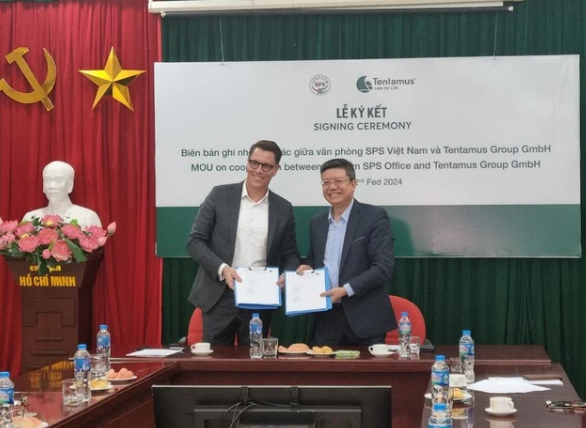
Dr. Jochen Peter Zoller, General Director of Tentamus Group, and Director of SPS Vietnam Office Le Thanh Hoa signed a memorandum of cooperation
The Vietnam SPS Office acts as the focal point to receive updated information on SPS measures of WTO member countries and share, discuss, and analyze with Tentamus contact points to update the SPS software system so member companies can access the latest information.
SPS Vietnam Office can also systematically receive feedback from member companies. This will help develop the brand of Vietnamese agricultural products in the international market.
The memorandum of understanding provides a framework for cooperation in the period 2024 - 2029 and is valid from the date of signing until December 31, 2029.
In the immediate future, 7 key product groups of Vietnam exported to the EU will be prioritized by the Vietnam SPS Office and Tentamus, including: rice, pepper, cashew, passion fruit, honey, vegetables and seafood.
According to Mr. Le Thanh Hoa, Director of SPS Vietnam Office, Vietnam is a large producer and exporter of agricultural products including pepper, rice, coffee... Vietnam also has great potential to export vegetables and fruits to markets around the world.
However, information related to food safety and animal and plant quarantine measures as well as technical standards of importing countries are not effectively updated to manufacturers and exporters. .
This cooperation will support the effective adjustment of strategies and activities related to food safety and plant and animal quarantine.
Dr. Jochen Peter Zoller, General Director of Tentamus Group, the representative who signed the memorandum of understanding with the SPS Vietnam Office, said that Tentamus' goal is to help retail chains around the world find safe sources of goods in a number of potential markets, including Vietnam.
With the implementation of the software system on the maximum allowable residue limit (MRL) in the coming time, export businesses will avoid the situation of unclear information, helping agricultural products reach more difficult markets, Mr. Jochen Peter Zoller acknowledged.
Cre: Thanh Niên


Ca Mau, Can Tho and An Giang Play a Leading Role in Vietnam’s Shrimp Industry
Protecting rice-shrimp yields against environmental fluctuations caused by prolonged rain
AQUA MINA Turbo Blower: Quiet, Energy-Efficient Air Supply for Aquaculture Ponds
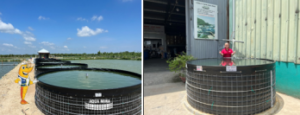
AQUA MINA has accompanied the experimental tank system project at Can Tho University from its very early days
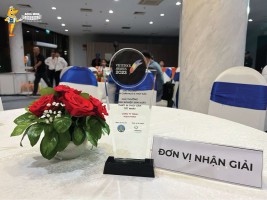
AQUA MINA AMONG 20 OUTSTANDING PRESENTATIONS AT THE WORKSHOP ON APPLYING SCIENCE AND TECHNOLOGY TO IMPROVE THE QUALITY OF VIETNAM’S AQUATIC PRODUCTS
Vietnam’s Shrimp Farming Industry Enters the High-Tech Race
The U.S. market relies heavily on imported shrimp to bridge its domestic supply gap
The 2028 supply crisis: The shrimp industry is projected to face a 400,000-ton material shortage
High profits from high-tech shrimp farming come with persistent risks
Intensifying El Niño Effect: Climate Change Risks Threaten the Global Shrimp Supply Chain
Evaluating Gaps in the Circular Economy Value Chain of the Shrimp Industry
A Comprehensive Overview of the Vietnamese Shrimp Industry

.jpg)