


The 3 Most Common Diseases in Black Tiger Shrimp and How to Prevent
1. MBV Disease in Black Tiger Shrimp (Monodon Baculovirus)
* Cause:
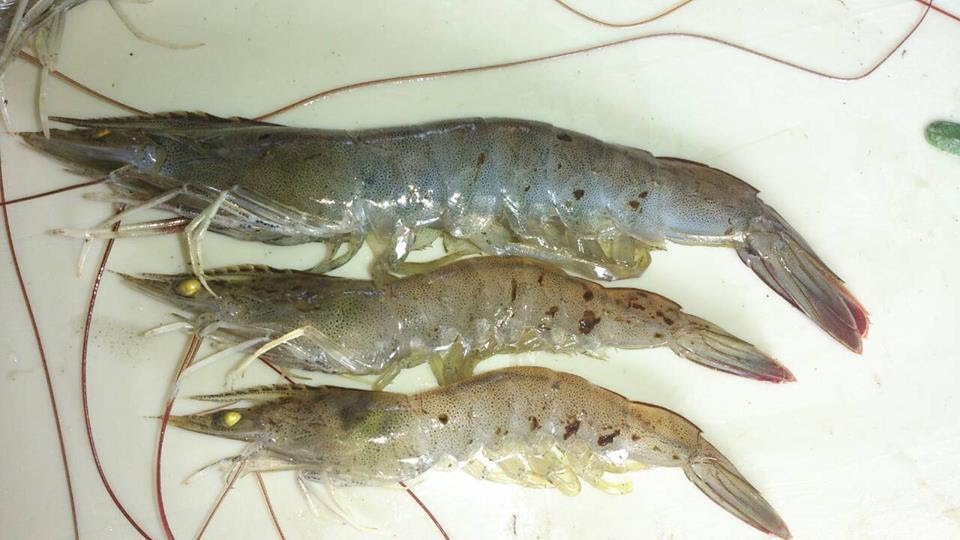
The Monodon Baculovirus (MBV) is caused by a type A Baculovirus with a rod-like structure and a double-stranded DNA core. It infects the hepatopancreas epithelial cells and the front midgut epithelial cells. The virus reproduces within the host cell nucleus in three stages:
- Stage O (Latent): Early stage where changes in cell cytoplasm begin.
- Stage 1: Cell nucleus swells slightly, and chromosomes dissolve. Cytoplasm begins to lose function.
- Stage 2: Nucleus swells rapidly, and virus numbers increase, forming occlusion bodies.
- Stage 3: The infected cell swells, and the nucleus contains occlusion bodies packed with viruses, which spread as cells are destroyed.
* Symptoms:
Infected shrimp may not initially show signs, but severe cases exhibit dark or pale blue color, poor appetite, and lethargy. Chitinous shells may necrotize, and hepatopancreas shrinks, turning a pale white color. Mortality can reach up to 70%.
* Prevention and Treatment:
- Avoid using shrimp postlarvae carrying MBV.
- Clean ponds and tanks thoroughly.
- Ensure good management practices, and quarantine broodstock before breeding.
- Water treated with ozone and disinfectants like Benzalkonium chloride can help produce virus-free shrimp.
2. Yellow Head Disease (YHD) in Black Tiger Shrimp
* Cause:
Caused by a rod-shaped virus resembling the Coronaviridae family, YHD infects shrimp tissue.
* Symptoms:
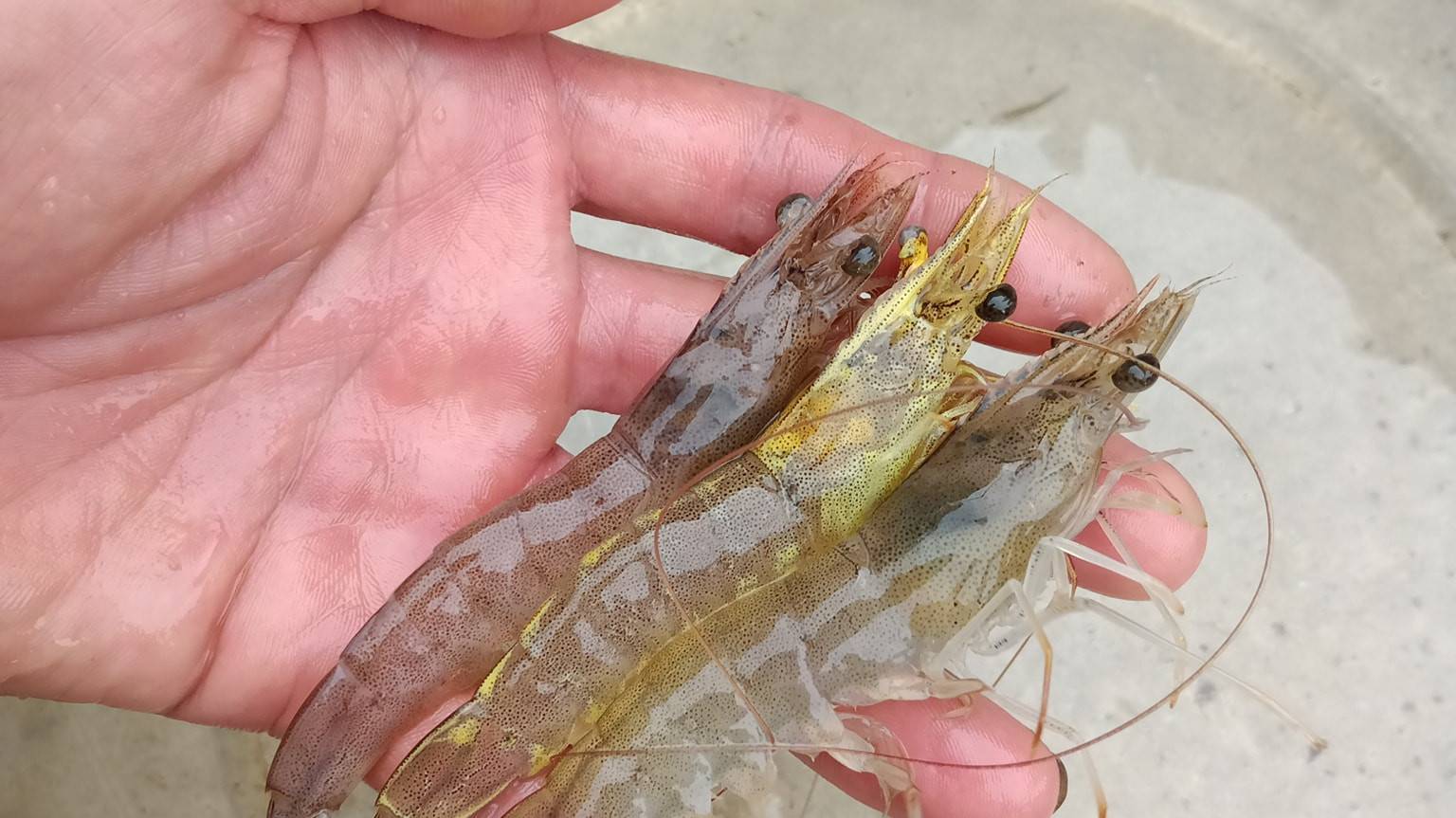
Infected shrimp grow rapidly and overeat initially, then suddenly stop eating, gather near the pond edge, and die. Gills and hepatopancreas turn yellow, and mortality can reach 100% wihin 3-5 days. Tissue samples reveal necrosis in multiple organs.
* Prevention and Treatment:
Use integrated prevention methods, avoid transporting infected shrimp, and immediately harvest infected ponds. Dispose of dead shrimp properly by burying or incinerating, and disinfect pond water with quicklime or calcium hypochlorite.
3. Gill-Associated Virus (GAV) Disease in Shrimp
* Cause:
GAV, from the Okavirus genus in the Roniviridae family, infects lymphoid tissues in natural and farmed black tiger shrimp.
* Symptoms:
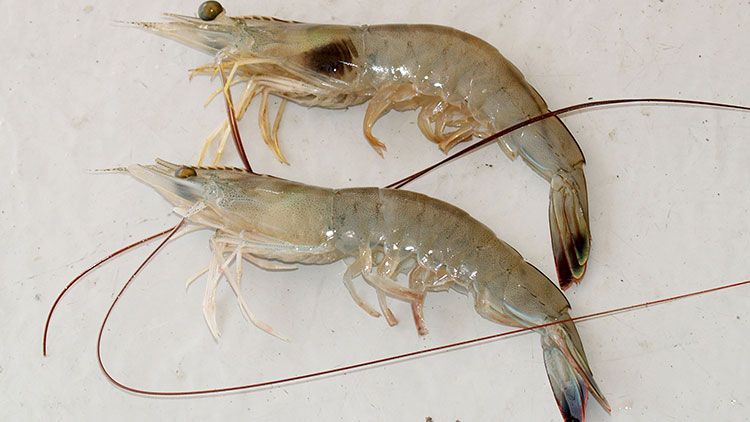
Chronically infected shrimp may show no signs, but acutely infected shrimp become lethargic, lose appetite, and swim near the surface. The shrimp may have dark red appendages, and gills may turn pinkish or yellowish.
* Prevention and Treatment:
Follow integrated disease prevention practices, avoid moving infected shrimp, and immediately remove dead shrimp from ponds. Disinfect pond water with quicklime or calcium hypochlorite before draining.
Contact AQUA MINA for consultation and supply of aquaculture round tanks and aquaculture equipment for high-tech shrimp farming.
- Address: 685 National Highway 1A, Binh Hung Hoa Ward, Binh Tan District, Ho Chi Minh City
- Phone: 1800 6071 (Toll-free hotline)
- Email: sales@aquamina.com.vn or oversea@aquamina.com.vn
Aqua Mina's distributor in Japan:
REX INDUSTRIES CO., LTD
- Address: 1-9-3 Hishiya-Higashi, Higashi-Osaka 578-0948 JAPAN
- Email: kimakubo@rexind.co.jp
- Phone: +81-(0)72-961-9893
- Website: http://www.rexind.co.jp/e/
Ngày đăng : 11/11/2024
2466 View


Other Articles
Ca Mau, Can Tho and An Giang Play a Leading Role in Vietnam’s Shrimp Industry
Protecting rice-shrimp yields against environmental fluctuations caused by prolonged rain
AQUA MINA Turbo Blower: Quiet, Energy-Efficient Air Supply for Aquaculture Ponds
AQUA MINA has accompanied the experimental tank system project at Can Tho University from its very early days
AQUA MINA AMONG 20 OUTSTANDING PRESENTATIONS AT THE WORKSHOP ON APPLYING SCIENCE AND TECHNOLOGY TO IMPROVE THE QUALITY OF VIETNAM’S AQUATIC PRODUCTS
Vietnam’s Shrimp Farming Industry Enters the High-Tech Race
The U.S. market relies heavily on imported shrimp to bridge its domestic supply gap
The 2028 supply crisis: The shrimp industry is projected to face a 400,000-ton material shortage
High profits from high-tech shrimp farming come with persistent risks
Intensifying El Niño Effect: Climate Change Risks Threaten the Global Shrimp Supply Chain
Evaluating Gaps in the Circular Economy Value Chain of the Shrimp Industry
A Comprehensive Overview of the Vietnamese Shrimp Industry





.jpg)