


Dynamics of Vannamei Shrimp Market and Its Influence on Prices
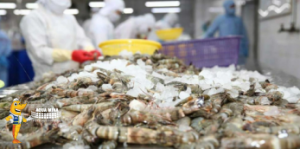
Vannamei shrimp has become one of the most sought-after seafood commodities in the international market. To date, vannamei shrimp has contributed up to 36% of Indonesia’s total fisheries export commodities.
However, at times, shrimp prices experience uncertain fluctuations caused by varying market demands. This article will further discuss the relationship between market demand and its influence on shrimp price.png) s.
s.
s.
The Relationship Between Market Demand and Shrimp Prices
Fundamentally, shrimp prices depend on the level of market demand. This means that the higher the market demand for a specific shrimp size, the higher its price compared to other sizes.
Conversely, if a particular shrimp size has abundant stock due to a lack of market interest, its price will decrease. This is where the law of supply and demand applies in the vannamei shrimp business.
Price Disparities Among Factories for Specific Sizes
Each factory has its uniqueness in the export market. Generally, each factory operates contracts with exporters that regulate shrimp sales based on specific sizes. These contracts establish requirements that factories must meet.
To fulfil contracts with exporters, factories ensure that the shrimp they produce aligns with demand. For instance, if a factory has a contract to provide a specific shrimp size, they will focus on producing that size to meet market needs.
The existing price variations for each shrimp size reflect market dynamics and competition among factories striving to meet demand. This condition creates a complex dynamic influenced not only by supply and demand factors but also by contractual agreements.
Other Factors Influencing Shrimp Prices
Apart from supply and demand, several other factors affect shrimp prices in the global market, including:
1. Influence of Weather Conditions and Climate Change
Weather changes can directly disrupt vannamei shrimp cultivation; for example, heavy rainwater can disturb the balance of pond water. Drastic changes in pond ecosystems can stress shrimp, making them susceptible to diseases.
When shrimp experience stress, their immune systems can be compromised, leading to increased vulnerability to diseases. When shrimp ponds are affected by diseases, the productivity level decreases, directly impacting prices in the market.
.png)
2. International Trade Policies and Tariffs
In the exportation of vannamei shrimp, inter-country trade policies, including imposed tariffs, import quotas, and international trade agreements, significantly impact prices in the market.
For instance, shrimp-importing countries may impose additional tariffs on exporting countries. This can hinder shrimp producers’ access to specific markets or even reduce the competitiveness of their shrimp products.
Fluctuating trade policies can create market uncertainties that subsequently affect shrimp prices and demand overall. However, it’s important to note that each country typically has its policies.
Cre: DELOS Aqua
Ngày đăng : 30/06/2024
1586 View


Other Articles
Ca Mau, Can Tho and An Giang Play a Leading Role in Vietnam’s Shrimp Industry
Protecting rice-shrimp yields against environmental fluctuations caused by prolonged rain
AQUA MINA Turbo Blower: Quiet, Energy-Efficient Air Supply for Aquaculture Ponds
AQUA MINA has accompanied the experimental tank system project at Can Tho University from its very early days
AQUA MINA AMONG 20 OUTSTANDING PRESENTATIONS AT THE WORKSHOP ON APPLYING SCIENCE AND TECHNOLOGY TO IMPROVE THE QUALITY OF VIETNAM’S AQUATIC PRODUCTS
Vietnam’s Shrimp Farming Industry Enters the High-Tech Race
The U.S. market relies heavily on imported shrimp to bridge its domestic supply gap
The 2028 supply crisis: The shrimp industry is projected to face a 400,000-ton material shortage
High profits from high-tech shrimp farming come with persistent risks
Intensifying El Niño Effect: Climate Change Risks Threaten the Global Shrimp Supply Chain
Evaluating Gaps in the Circular Economy Value Chain of the Shrimp Industry
A Comprehensive Overview of the Vietnamese Shrimp Industry






.jpg)