



This is the Process of Molting in Shrimp and How to Handle It
The molting process is often the thing that most farmers worry about. Because shrimp will be more susceptible to disease in this phase, however, the molting process will always occur as the life of the shrimp develops. Let’s get to know in more detail what molting is and how it’s done in this article!
What Is Molting in Shrimp?
In simple terms, molting can be referred to as replacing the outer shell layer in shrimp. During the molting process, after the outer shell layer of the shrimp is shed, the same layer of skin will grow to replace it. Molting Process in Shrimp
The molting process in vannamei shrimp is divided into four stages: post-molt, molting, inter-molt, and pre-molt.
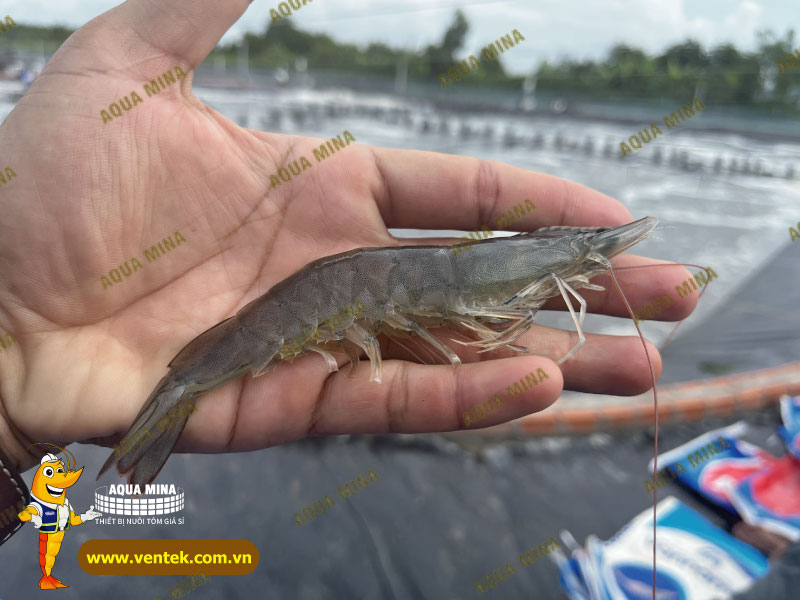
1. Post Molt
Post-molt is the phase where the shrimp has just experienced the release of the exoskeleton from the previous molt process. Usually, in this phase, the shrimp will absorb a lot of water to strengthen their new cuticles.
2. Molting
Molting is the phase when the shrimp begins to shed its outer shell. For the shrimp’s exoskeleton to fall off entirely, the shrimp will relax its muscles and slowly start to come out of its old body.
3. Inter-Molt
The shrimp exoskeleton will harden during the inter-molt phase because the shrimp absorbs more protein and minerals during this phase. Meanwhile, shrimp appetite is not disturbed and even tends to increase.
4. Pre-Molt
Pre-Molt is when the shrimp prepares for the following molting process. The cuticle layer will slowly grow and be visible to the naked eye. Usually, in this phase, the shrimp appetite will decrease than usual.
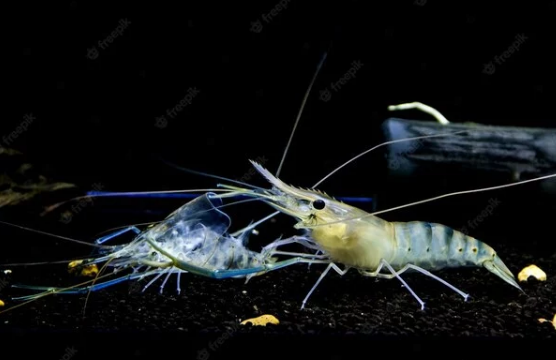
How Often Does Molting Occur?
Under healthy conditions, adult shrimp molt or change their skin every 3 to 4 weeks. However, younger shrimp will change their skin more frequently, every 1 to 2 weeks, to be precise. This is because young shrimp experience a faster growth process.
Meanwhile, replacing old shells with new shells in shrimp only takes a few hours.
How to Handle Shrimp When Molting
In a way, molting is a reasonably crucial phase in shrimp farming. The reason is shrimp that fail in the molting phase will die. Therefore farmers need to ensure the molting process runs smoothly.
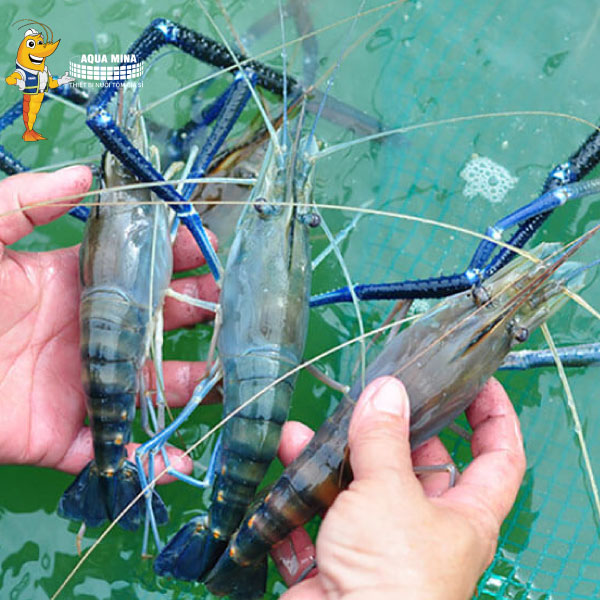
In this case, several technical conditions must be considered for the smooth running of the molting process, starting from the quality of pond water maintained, the level of calcium and other minerals in the water remaining stable, and so on.
In addition, remember to adjust the shrimp feed given. Remember, during the inter-molt phase, the shrimp’s appetite will increase. Meanwhile, during the pre-molt phase, shrimp appetite tends to decrease.
Cre: DELOS Aqua
Ngày đăng : 15/01/2024
2489 View


Other Articles
Ca Mau, Can Tho and An Giang Play a Leading Role in Vietnam’s Shrimp Industry
Protecting rice-shrimp yields against environmental fluctuations caused by prolonged rain
AQUA MINA Turbo Blower: Quiet, Energy-Efficient Air Supply for Aquaculture Ponds
AQUA MINA has accompanied the experimental tank system project at Can Tho University from its very early days
AQUA MINA AMONG 20 OUTSTANDING PRESENTATIONS AT THE WORKSHOP ON APPLYING SCIENCE AND TECHNOLOGY TO IMPROVE THE QUALITY OF VIETNAM’S AQUATIC PRODUCTS
Vietnam’s Shrimp Farming Industry Enters the High-Tech Race
The U.S. market relies heavily on imported shrimp to bridge its domestic supply gap
The 2028 supply crisis: The shrimp industry is projected to face a 400,000-ton material shortage
High profits from high-tech shrimp farming come with persistent risks
Intensifying El Niño Effect: Climate Change Risks Threaten the Global Shrimp Supply Chain
Evaluating Gaps in the Circular Economy Value Chain of the Shrimp Industry
A Comprehensive Overview of the Vietnamese Shrimp Industry







.jpg)