



Proactively Combating Heat, Nghe An Farmers Move Shrimp into Enclosed Net-House Systems
In reality, under the increasingly evident impacts of climate change, aquaculture farmers have proactively adopted scientific and technological solutions, invested in net-house systems, and improved husbandry practices to minimize risks. However, these solutions come with rising production costs.
Rising Costs in Response to Extreme Climate Conditions
Extreme weather has significantly increased the demand for electricity, water, labor, and materials, driving up aquaculture production costs. Meanwhile, selling prices of aquatic products have shown little improvement.
According to Mr. Nguyễn Cảnh Toán, additional expenses for heat mitigation in shrimp farming under extreme weather conditions have reached nearly VND 100 million. These costs mainly cover the 24/7 operation of paddle-wheel aerators, water pumping, daily water exchange, supplementation of minerals and vitamins, and hiring extra workers to drag nets and inspect ponds.
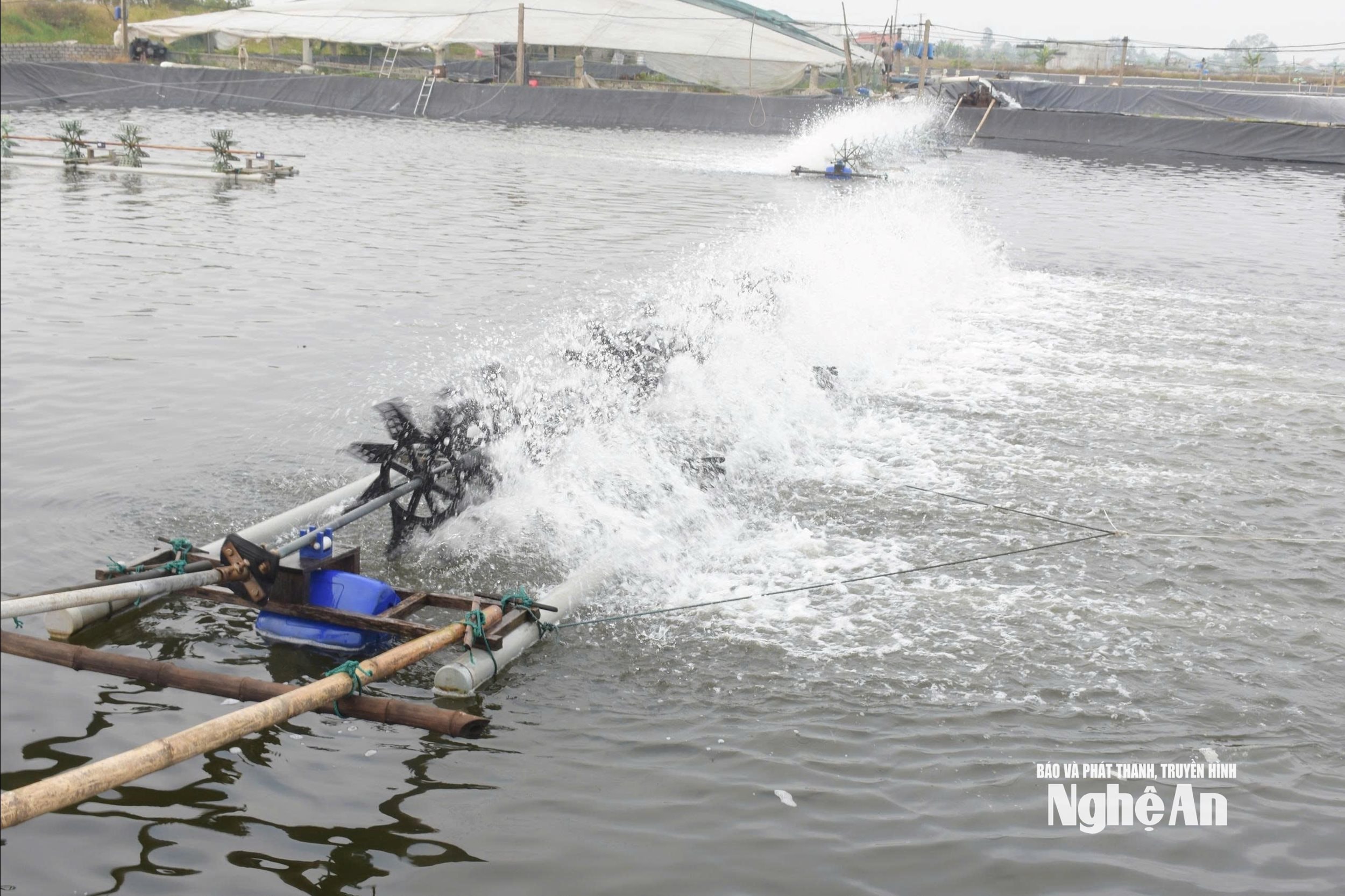
In addition, due to low tidal levels, many farming areas must rely on pumps to supply new water. After being pumped, the water is filtered through multiple layers of mesh before entering the ponds to ensure biosecurity. This process helps prevent disease but significantly increases electricity consumption and labor costs.
Frequent daily water exchanges, installation of sprinkler systems, and supplementation with probiotics and vitamins also contribute to higher production costs.
Not only shrimp farming but also eel and frog culture models have experienced increased operational expenses. Although these measures raise costs, farmers are compelled to implement them to ensure the safety and survival of their stock.
According to the Nghe An Department of Agriculture and Environment, aquatic animals are highly sensitive to environmental fluctuations, particularly during hot seasons. Therefore, it is recommended to cover two-thirds of the pond surface with black shade nets, introduce floating plants to provide shade, and maintain a minimum water depth of 1.2 meters. Farmers are also advised to enhance aeration, use probiotics, and supplement feed with vitamin C and minerals to improve immunity. Regular monitoring of weather forecasts, adjustment of stocking densities, and careful water quality management are also essential.
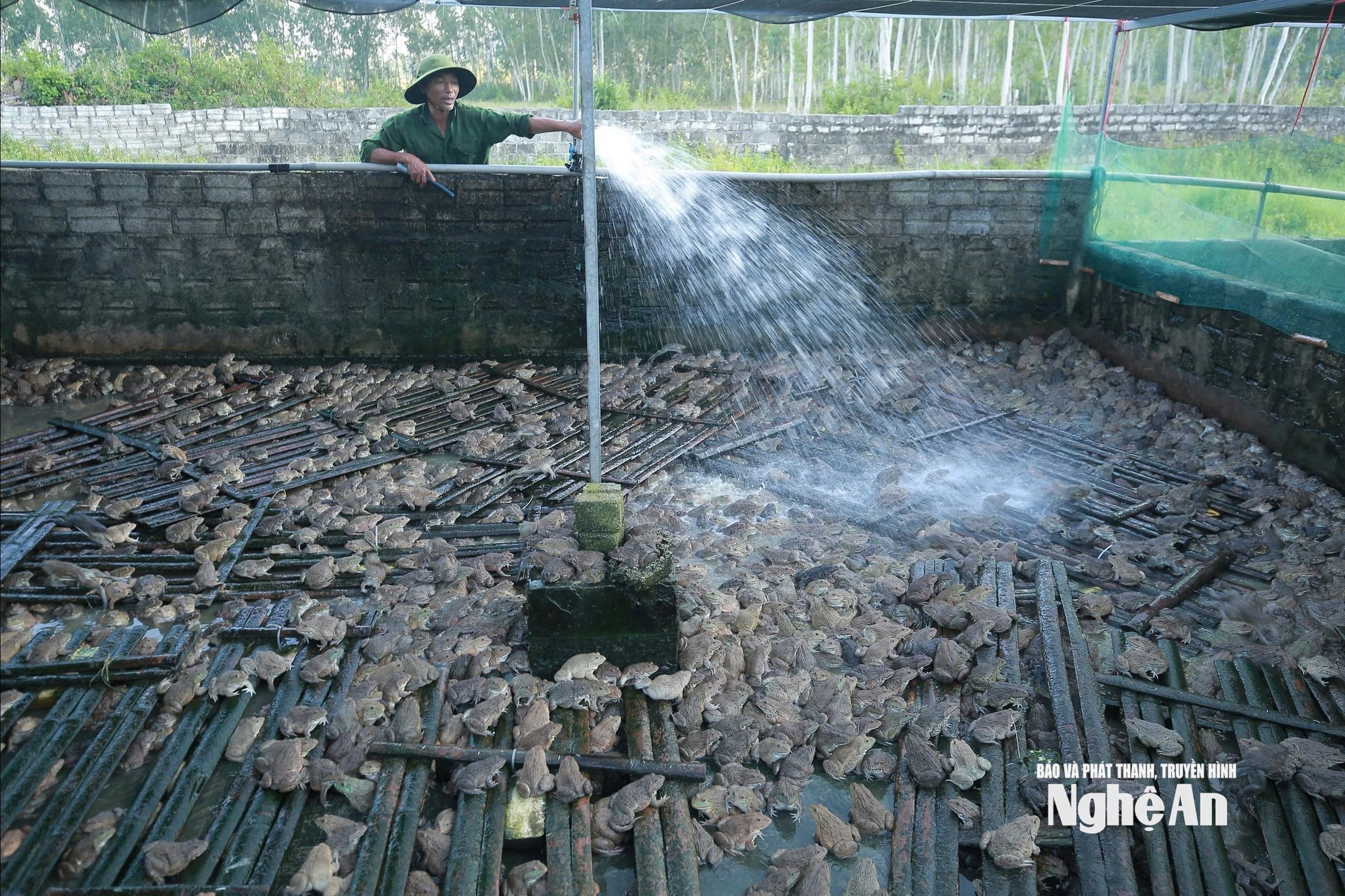
Despite rising costs, farmers must continue investing in technical solutions to protect their aquatic stock and minimize losses. In the context of increasingly complex climate change, proactive adaptation is crucial for effective aquaculture production. In the long term, transitioning to high-tech farming models with closed environmental control systems is considered a suitable pathway to enhance the sustainability of the fisheries sector under extreme climatic conditions.
Source: baonghean
AQUA MINA CO., LTD
– Address: 685 Le Duc Anh Street, Quarter 39, Binh Hung Hoa Ward, Ho Chi Minh City
– Phone: 1800 6071 (Toll-free hotline)
– Email: sales@aquamina.com.vn or oversea@aquamina.com.vn
– Aqua Mina’s Official Distributor in Japan: REX INDUSTRIES CO., LTD
– Address: 1-9-3 Hishiya-Higashi, Higashi-Osaka 578-0948, JAPAN
– Email: kimakubo@rexind.co.jp
– Phone: +81-(0)72-961-9893
– Website: www.rexind.co.jp/e/

WE WORK FOR THE SUCCESS
Ngày đăng : 11/04/2026
1454 View


Other Articles
Ca Mau, Can Tho and An Giang Play a Leading Role in Vietnam’s Shrimp Industry
Protecting rice-shrimp yields against environmental fluctuations caused by prolonged rain
AQUA MINA Turbo Blower: Quiet, Energy-Efficient Air Supply for Aquaculture Ponds
AQUA MINA has accompanied the experimental tank system project at Can Tho University from its very early days
AQUA MINA AMONG 20 OUTSTANDING PRESENTATIONS AT THE WORKSHOP ON APPLYING SCIENCE AND TECHNOLOGY TO IMPROVE THE QUALITY OF VIETNAM’S AQUATIC PRODUCTS
Vietnam’s Shrimp Farming Industry Enters the High-Tech Race
The U.S. market relies heavily on imported shrimp to bridge its domestic supply gap
The 2028 supply crisis: The shrimp industry is projected to face a 400,000-ton material shortage
High profits from high-tech shrimp farming come with persistent risks
Intensifying El Niño Effect: Climate Change Risks Threaten the Global Shrimp Supply Chain
Evaluating Gaps in the Circular Economy Value Chain of the Shrimp Industry
A Comprehensive Overview of the Vietnamese Shrimp Industry












.jpg)
