

Proper Management of Brackish Water Shrimp Farming During Hot Weather Conditions
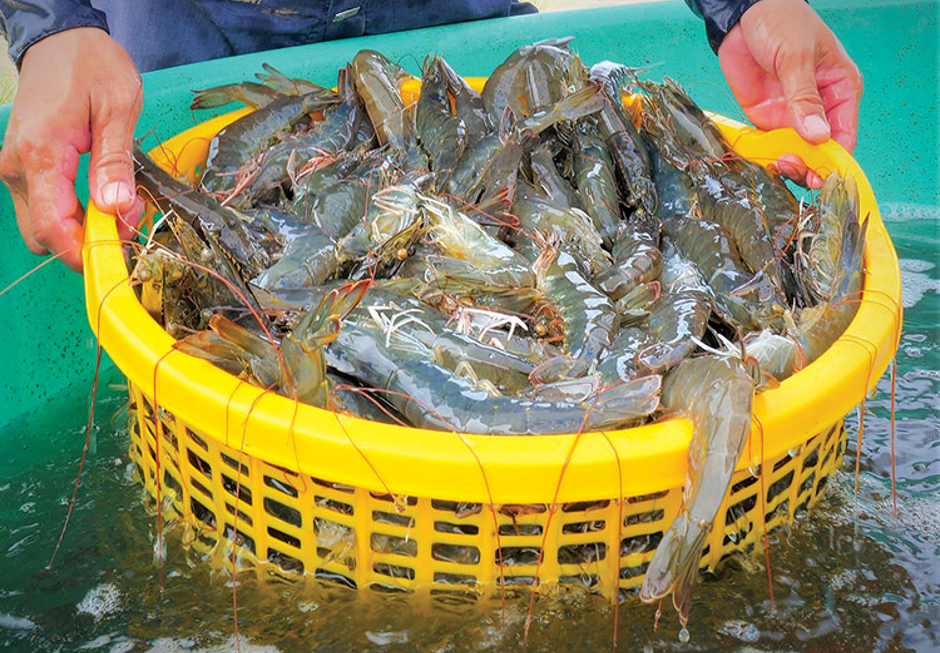
The combination of extreme daytime heat and significant drops in night-time temperatures causes fluctuations in pond conditions, increasing the risk of acute hepatopancreatic necrosis disease (AHPND), white feces disease, EHP, and other stress-related issues in shrimp. These fluctuations negatively affect shrimp growth and can lead to significant losses if not managed well.
Key Management Practices for Farmers During Heatwaves:
Monitor weather and water conditions regularly. Use water with salinity ≥ 5‰ and treat it before introducing it to ponds.
Maintain stable water parameters:
- Salinity: ≥ 5‰
- pH: around 7.5
- Alkalinity: ≥ 120 mg/l
- Water transparency: 20–35 cm
- Dissolved oxygen: > 5 mg/l
- Regularly monitor and control toxic gases: NH₃, NO₂, and H₂S.
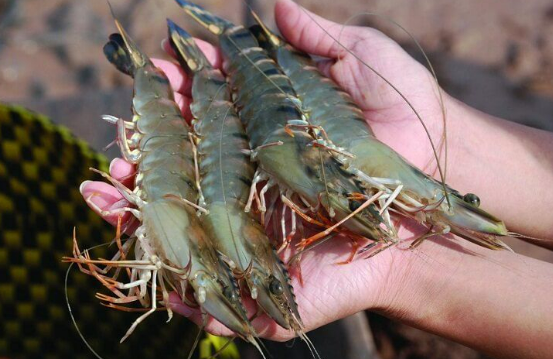
Supplement with lime and essential minerals—especially Calcium, Magnesium, and Potassium—to prevent soft shell syndrome and muscle opacity, particularly in low-salinity ponds.
Stock at moderate densities to minimize stress and improve growth performance.
Test pond water twice a week for harmful bacteria (e.g. Vibrio), keeping total Vibrio below 1,000 CFU/ml, and monitor for V. parahaemolyticus (AHPND) and Vibrio species causing white feces disease.
If shrimp show signs such as stunted growth, weak feeding, slow development, inconsistent sizes, or white muscle patches, report to local authorities for disease testing.
Feeding Strategies in High Temperatures:
When water temperature exceeds 33°C, reduce feed amount by 30–50% or skip feedings to avoid water quality deterioration. Increase use of probiotics, digestive enzymes, and organic acids to support gut health and water cleanliness.
Feed slightly less than required, split into multiple feedings per day, and maintain dissolved oxygen ≥ 5 mg/l to ensure proper oxygen levels for shrimp and aerobic microbial communities.
Pre-Stocking Preparation and Post-Larvae Selection:
Strictly follow recommended stocking schedules and choose the best timing based on local weather.
Thorough pond preparation is critical. Eliminate disease-carrying hosts such as wild shrimp, fish, clams, crabs, and snails before water intake.
If possible, implement multi-phase nursery systems with HDPE-lined ponds and central siphon pits for better water management and disease control.
Choose high-quality, certified post-larvae from reputable hatcheries with clear origins and health certifications. Post-larvae must be tested negative for at least three major diseases: White Spot Syndrome Virus (WSSV), AHPND, and EHP.
Recommended sizes:
- Black tiger shrimp: ≥ post-15
- White-leg shrimp: ≥ post-12
Post-larvae should be uniform, active, able to swim against the current, and show strong reflexes. The hepatopancreas and gut should be dark-colored, and deformity rate < 0.5%.
Begin with a trial stocking over a portion of the pond. If conditions and shrimp are good, proceed with full stocking.
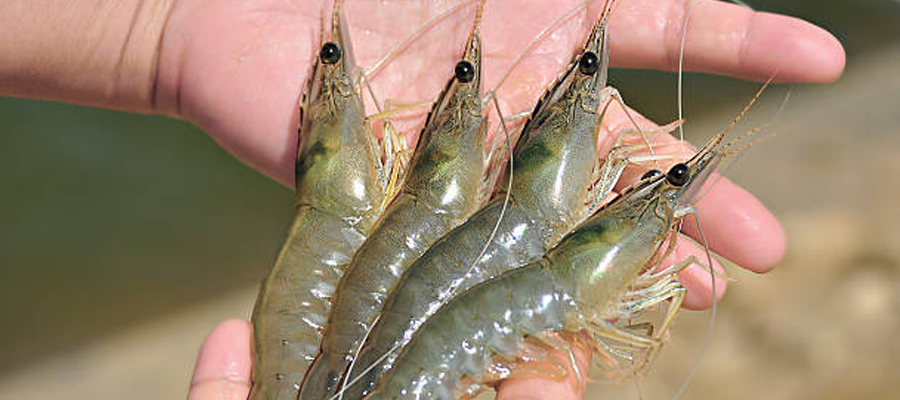
If possible, prepare a 100–200 m² nursery pond to raise post-larvae for 15–30 days before transferring to grow-out ponds.
Farmers should always stay updated on weather forecasts and expert guidance, thoroughly prepare ponds, and select high-quality seedstock to ensure a successful and resilient shrimp crop.
Source: nguoinuoitom.vn
Aqua Mina's distributor in Japan: REX INDUSTRIES CO., LTD
- Address: 1-9-3 Hishiya-Higashi, Higashi-Osaka 578-0948 JAPAN
- Email: kimakubo@rexind.co.jp
- Phone: +81-(0)72-961-9893
- Website: http://www.rexind.co.jp/e/
WE WORK FOR YOUR SUCCESS!
Ngày đăng : 21/04/2025
2364 View


Other Articles
Ca Mau, Can Tho and An Giang Play a Leading Role in Vietnam’s Shrimp Industry
Protecting rice-shrimp yields against environmental fluctuations caused by prolonged rain
AQUA MINA Turbo Blower: Quiet, Energy-Efficient Air Supply for Aquaculture Ponds
AQUA MINA has accompanied the experimental tank system project at Can Tho University from its very early days
AQUA MINA AMONG 20 OUTSTANDING PRESENTATIONS AT THE WORKSHOP ON APPLYING SCIENCE AND TECHNOLOGY TO IMPROVE THE QUALITY OF VIETNAM’S AQUATIC PRODUCTS
Vietnam’s Shrimp Farming Industry Enters the High-Tech Race
The U.S. market relies heavily on imported shrimp to bridge its domestic supply gap
The 2028 supply crisis: The shrimp industry is projected to face a 400,000-ton material shortage
High profits from high-tech shrimp farming come with persistent risks
Intensifying El Niño Effect: Climate Change Risks Threaten the Global Shrimp Supply Chain
Evaluating Gaps in the Circular Economy Value Chain of the Shrimp Industry
A Comprehensive Overview of the Vietnamese Shrimp Industry


.jpg)