

Vietnam’s Eel Farming Industry: Current Status, Challenges, and Technical Development Directions
Market Opportunities and Technical Advantages
The demand for commercial eel remains consistently high in both domestic and export markets, making eel farming an attractive and profitable sector. This strong market pull is a key driver of industry growth.
Technically, eel farming benefits from significant biological advantages. Eels are highly adaptable to harsh environmental conditions, including low dissolved oxygen levels, allowing for flexible farming techniques and making them well-suited for small-scale production systems. Moreover, modern farming methods—such as mud-free eel farming in recirculating aquaculture systems (RAS) or integrated rice–eel polyculture—offer enhanced product value and align with sustainable agriculture strategies by minimizing environmental impacts.
Persistent Challenges in the Industry
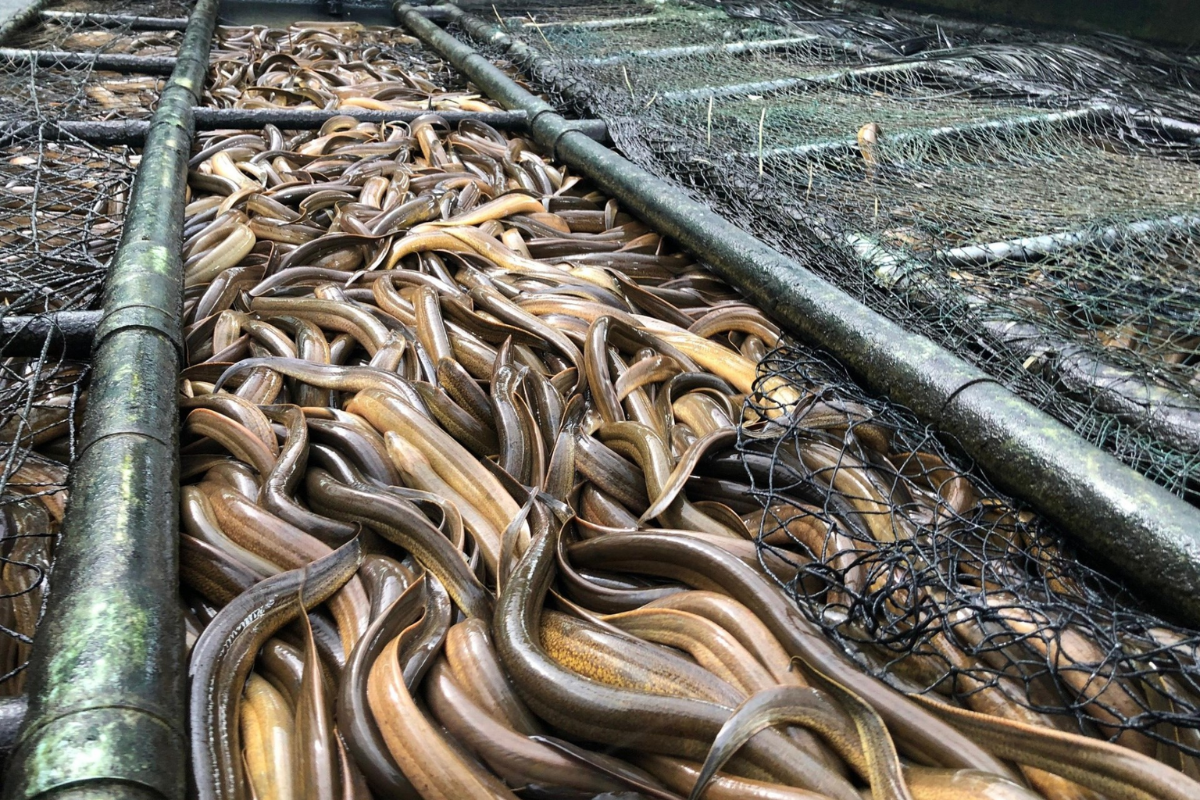
Despite its potential, eel farming in Vietnam faces several major technical and operational hurdles. Chief among them is the heavy reliance on wild-caught seed, which leads to inconsistent quality, increased disease risk, and threatens the sustainability of production.
In addition, intensive farming practices, especially at high stocking densities, require advanced technical skills to manage water quality and control disease outbreaks effectively. Farmers lacking expertise may face high mortality rates and reduced yields.
Financial barriers also pose challenges—initial investments in infrastructure and the high cost of commercial feed create obstacles for small-scale farmers looking to expand.
Strategic Development and Future Potential
The long-term success of Vietnam’s eel farming industry hinges on solving its current technical constraints. The strategic focus must be on developing artificial breeding technology to reduce dependence on natural seed sources and ensure stable seed quality. Scaling up the use of advanced systems like RAS will help produce clean, high-quality eels that meet the strict requirements of export markets.
At the same time, building a complete value chain—from production to processing and international marketing—is essential. Government-backed programs providing technical support and financial assistance will be crucial to facilitate this transformation, enabling the industry to develop efficiently and sustainably.
A Promising Future for Eel Aquaculture
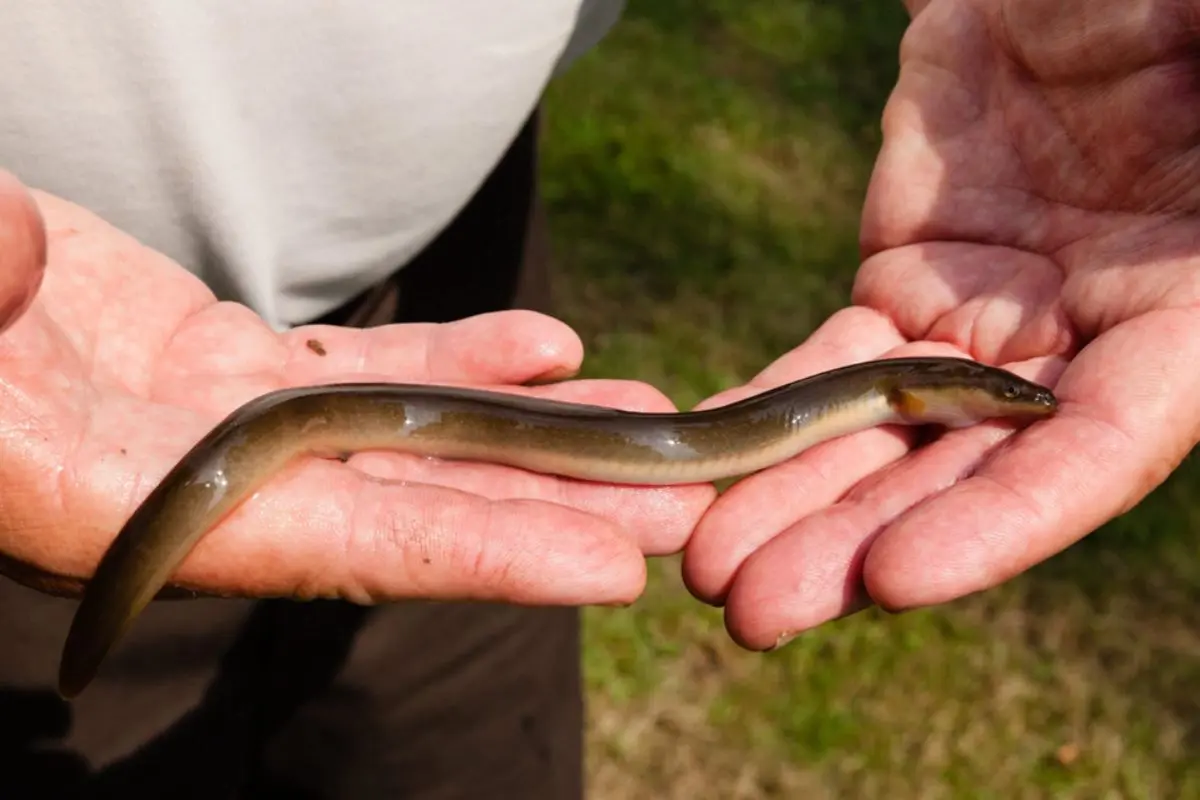
Vietnam’s eel farming industry has shown strong potential to become a high-value aquaculture sector. However, key technical barriers—particularly seed dependence and operational complexity—still limit large-scale industrial growth.
The future of eel aquaculture depends on mastering artificial breeding technology and expanding biosecure, modern farming systems. Transitioning from a fragmented, nature-dependent activity to an industrialized, high-value chain is not just a possibility—it is a strategic necessity.
Source: tepbac.com
Aqua Mina's distributor in Japan: REX INDUSTRIES CO., LTD
- Address: 1-9-3 Hishiya-Higashi, Higashi-Osaka 578-0948 JAPAN
- Email: kimakubo@rexind.co.jp
- Phone: +81-(0)72-961-9893
- Website: http://www.rexind.co.jp/e/
WE WORK FOR YOUR SUCCESS!
Ngày đăng : 02/08/2025
1956 View


Other Articles
Ca Mau, Can Tho and An Giang Play a Leading Role in Vietnam’s Shrimp Industry
Protecting rice-shrimp yields against environmental fluctuations caused by prolonged rain
AQUA MINA Turbo Blower: Quiet, Energy-Efficient Air Supply for Aquaculture Ponds
AQUA MINA has accompanied the experimental tank system project at Can Tho University from its very early days
AQUA MINA AMONG 20 OUTSTANDING PRESENTATIONS AT THE WORKSHOP ON APPLYING SCIENCE AND TECHNOLOGY TO IMPROVE THE QUALITY OF VIETNAM’S AQUATIC PRODUCTS
Vietnam’s Shrimp Farming Industry Enters the High-Tech Race
The U.S. market relies heavily on imported shrimp to bridge its domestic supply gap
The 2028 supply crisis: The shrimp industry is projected to face a 400,000-ton material shortage
High profits from high-tech shrimp farming come with persistent risks
Intensifying El Niño Effect: Climate Change Risks Threaten the Global Shrimp Supply Chain
Evaluating Gaps in the Circular Economy Value Chain of the Shrimp Industry
A Comprehensive Overview of the Vietnamese Shrimp Industry


.jpg)