

A Groundbreaking Project to Revolutionize Shrimp Farming in Southeast Asia
A £3-million, 3-year initiative aims to equip small-scale shrimp farmers with affordable tools for real-time water quality monitoring, disease detection, and environmental threat forecasting.
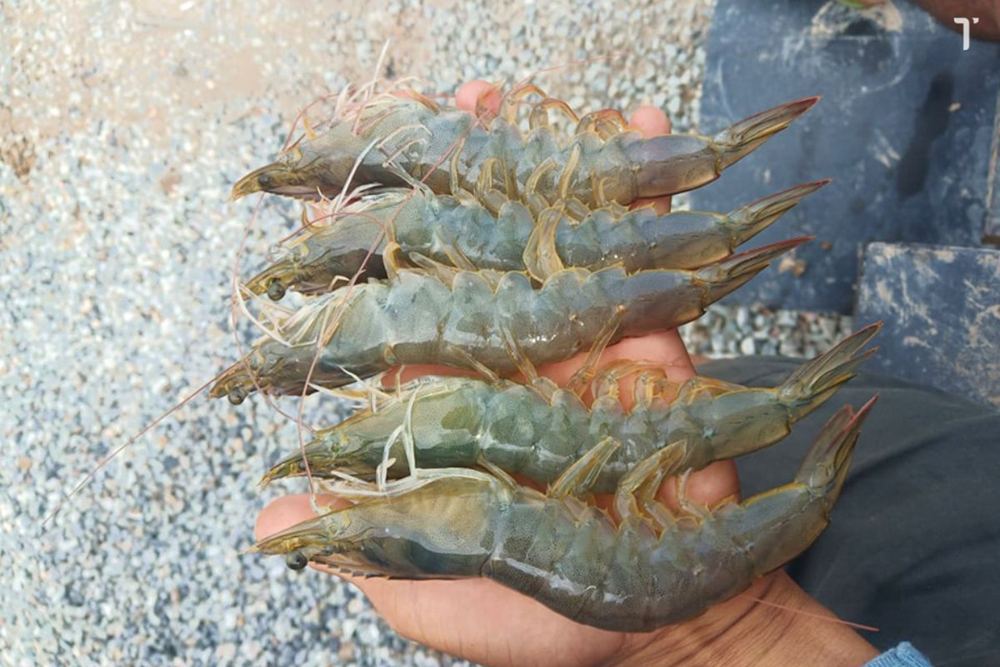
This pioneering project integrates indigenous shrimp farming knowledge with advanced expertise in biosensor technology, climate modeling, aquatic health, and artificial intelligence (AI). The team is developing a portable sensor capable of quickly detecting pathogens and harmful nitrogen levels in shrimp ponds, alongside an AI-driven forecasting tool that uses climate data to predict disease outbreaks.
Shrimp farming is a vital economic engine for many Southeast Asian countries such as Vietnam and Thailand. It generates millions of jobs and significantly contributes to global seafood exports. However, disease outbreaks and environmental challenges cost the industry billions of dollars annually. Existing monitoring technologies are often too expensive or complex for smallholders, leaving them vulnerable to devastating crop failures.
A Global Collaboration for Local Impact
This research project is led by the University of Strathclyde and the University of the West of Scotland (UWS), in collaboration with scientists from Can Tho University in Vietnam, the Vidyasirimedhi Institute of Science and Technology in Thailand, and the James Hutton Institute. It is supported by the International Science Partnerships Fund (ISPF) and UK Research and Innovation (UKRI).
A gender-inclusive approach is also embedded in the project to ensure both men and women benefit equally from training programs and access to the new technologies.
Although the project focuses on shrimp farming in Vietnam and Thailand, the developed technologies are highly adaptable and have the potential to expand into other aquaculture systems across Southeast Asia and beyond.
Practical, Affordable, and Impactful
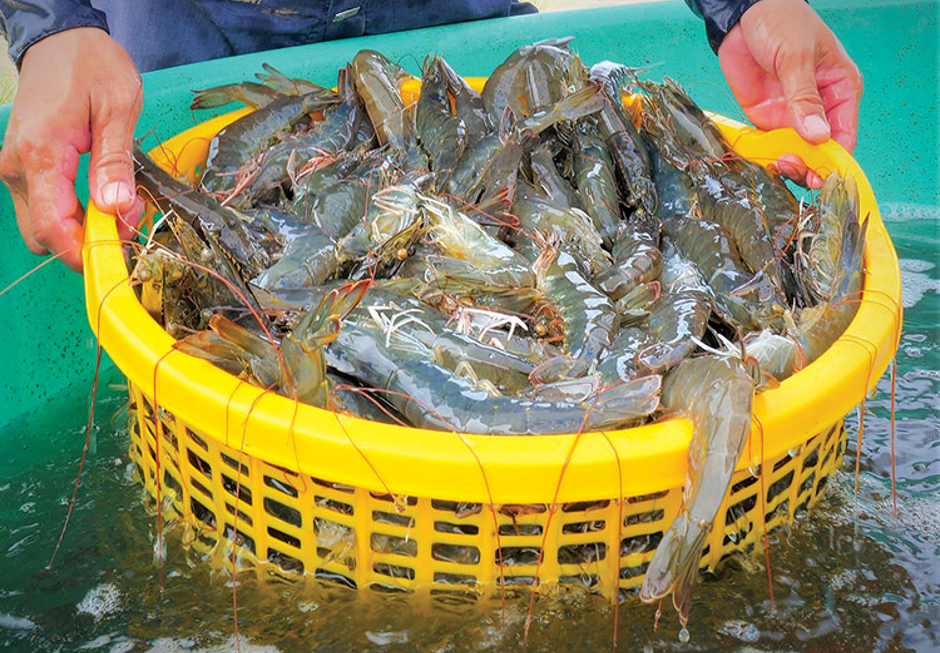
By combining scientific research and innovation with local expertise, the tools developed are not only cutting-edge but also practical, affordable, and user-friendly. These innovations are expected to significantly reduce shrimp mortality rates and improve pond productivity — a major step forward for precision aquaculture.
This low-cost, real-time monitoring system has the potential to be widely adopted across sustainable aquaculture operations worldwide. It offers a promising solution to address food security challenges in the face of climate change.
The project aligns with national aquaculture growth strategies in both Vietnam and Thailand. Its outcomes will support long-term economic and environmental sustainability. If successful, this initiative could reshape global aquaculture by providing a scalable, high-impact, and low-cost solution to one of the most urgent challenges facing the seafood industry today.
Source: tongcucthuysan
Aqua Mina's distributor in Japan: REX INDUSTRIES CO., LTD
- Address: 1-9-3 Hishiya-Higashi, Higashi-Osaka 578-0948 JAPAN
- Email: kimakubo@rexind.co.jp
- Phone: +81-(0)72-961-9893
- Website: http://www.rexind.co.jp/e/
WE WORK FOR YOUR SUCCESS!
Ngày đăng : 04/07/2025
2577 View


Other Articles
Ca Mau, Can Tho and An Giang Play a Leading Role in Vietnam’s Shrimp Industry
Protecting rice-shrimp yields against environmental fluctuations caused by prolonged rain
AQUA MINA Turbo Blower: Quiet, Energy-Efficient Air Supply for Aquaculture Ponds
AQUA MINA has accompanied the experimental tank system project at Can Tho University from its very early days
AQUA MINA AMONG 20 OUTSTANDING PRESENTATIONS AT THE WORKSHOP ON APPLYING SCIENCE AND TECHNOLOGY TO IMPROVE THE QUALITY OF VIETNAM’S AQUATIC PRODUCTS
Vietnam’s Shrimp Farming Industry Enters the High-Tech Race
The U.S. market relies heavily on imported shrimp to bridge its domestic supply gap
The 2028 supply crisis: The shrimp industry is projected to face a 400,000-ton material shortage
High profits from high-tech shrimp farming come with persistent risks
Intensifying El Niño Effect: Climate Change Risks Threaten the Global Shrimp Supply Chain
Evaluating Gaps in the Circular Economy Value Chain of the Shrimp Industry
A Comprehensive Overview of the Vietnamese Shrimp Industry



.jpg)