

Stay Alert: Disease Risks in Aquaculture During Seasonal Transitions
Seasonal Weather Patterns and Their Impact on Aquatic Environments
Seasonal transitions—particularly from spring to summer and summer to autumn—often come with thunderstorms, high humidity, and wide temperature differences between day and night. These rapid changes destabilize pond environments, causing fluctuations in pH, decreased dissolved oxygen, increased toxic gases like NH₃ and H₂S, and erratic salinity levels. Such conditions promote the proliferation of harmful bacteria, viruses, fungi, and parasites, while simultaneously weakening the immune systems of farmed species due to environmental stress.
Additionally, algae may bloom uncontrollably during this time. Algal die-off can rapidly deplete oxygen levels, leading to water quality deterioration. The abrupt changes in water conditions make shrimp, fish, and crabs more susceptible to serious diseases such as:
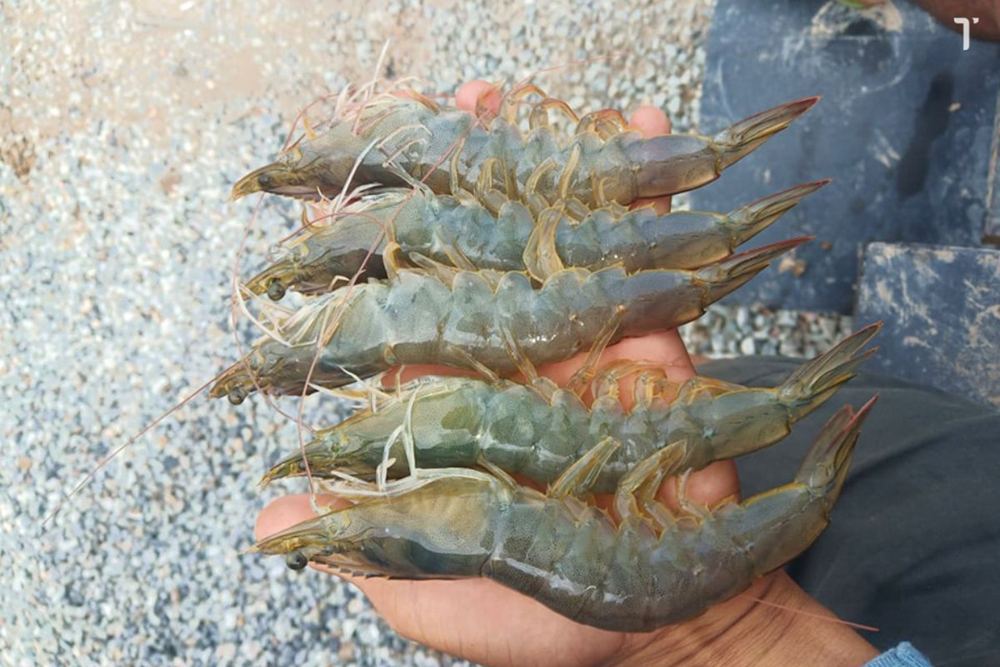
Hepatopancreatic Necrosis Disease (AHPND)
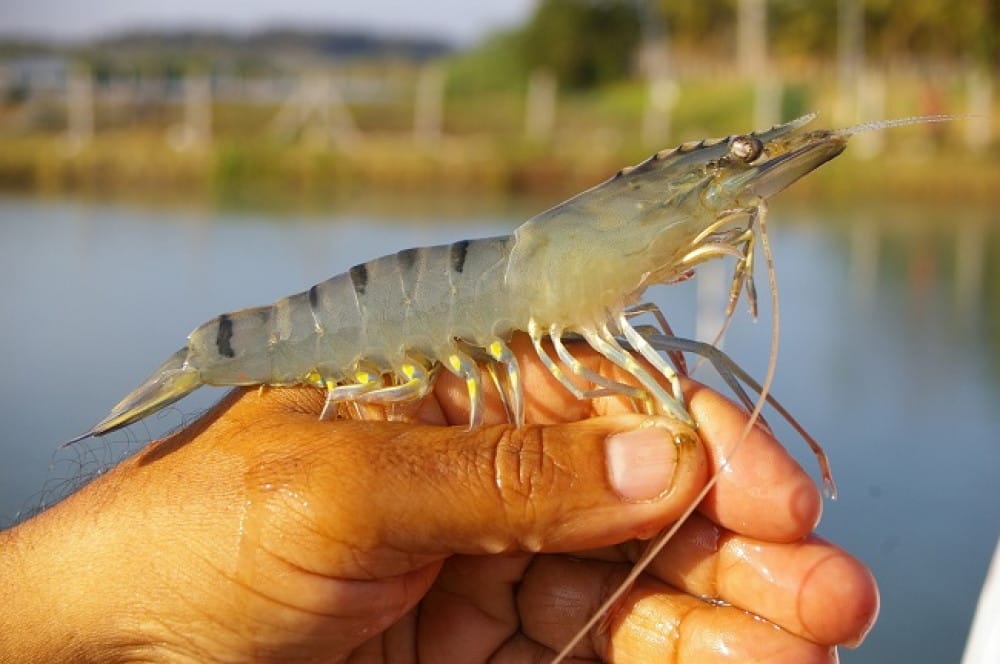
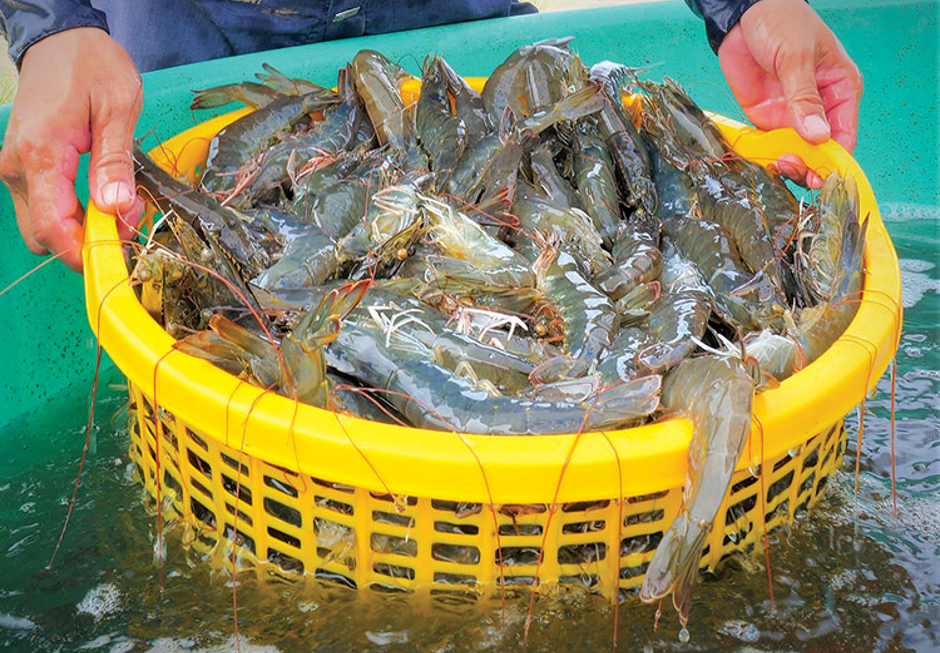
Caused by Vibrio parahaemolyticus, this disease attacks shrimp (especially Penaeus monodon and Penaeus vannamei), leading to hepatopancreas damage, feed refusal, and mass mortality within days.
White Spot Syndrome Virus (WSSV)
A highly contagious viral disease in shrimp, capable of causing up to 100% mortality in a matter of days—especially common during unstable weather.
Hemorrhagic Disease in Pangasius (Tra fish)
Caused by Aeromonas hydrophila or Edwardsiella ictaluri, symptoms include reddening of the body, hemorrhaging fins and gills, swollen abdomen, and liver-kidney damage.
Fungal and Parasitic Infections in Fish
Includes protozoans, monogenean flukes, and crustacean parasites that attack the skin and gills, causing irritation, feed refusal, slow growth, and surface swimming.
These diseases not only reduce yields but also increase treatment costs, degrade product quality, and damage the reputation of farmers.
Effective Disease Prevention During Seasonal Transitions
1. Water Quality Management
Regularly monitor key water parameters: pH, temperature, salinity, dissolved oxygen, ammonia (NH₃), and nitrite (NO₂).
Conduct partial water changes periodically, but avoid abrupt changes.
Use probiotics to stabilize pond bottoms and maintain water quality.
Minimize feeding during harsh weather conditions (e.g., heavy rains, extreme heat, strong winds).
2. Strengthen Animal Immunity
Provide high-quality feed and supplement with vitamins C and E, minerals, and probiotics to boost the immune system.
Avoid prolonged stress by maintaining optimal stocking density and preventing sudden environmental changes.
3. Implement Biosecurity Measures
Use disease-free broodstock with verified origins.
Disinfect ponds, farming equipment, and surrounding areas before and during the culture cycle.
Limit access to the farming area—both human and animal—to reduce the risk of external pathogen introduction.
4. Monitor and Respond Early to Disease Signs
Observe shrimp and fish daily for early symptoms like feed refusal, surface swimming, lethargy, or color changes.
If disease is suspected, promptly collect samples and conduct lab testing to identify the pathogen and determine an appropriate treatment plan.
Report disease outbreaks to local aquaculture veterinary authorities for containment and control support.
Final Thoughts
Seasonal transitions pose a real and recurring threat to aquaculture productivity. Farmers must remain vigilant and take proactive steps to prevent disease outbreaks. Awareness, technical preparedness, and early action are essential to protecting farm outputs, reducing losses, and ensuring long-term sustainability in aquaculture.
Collaboration among farmers, government agencies, and technical experts is key. By providing training, sharing updated best practices, and developing resilient farming models, Vietnam’s aquaculture industry can overcome the challenges posed by shifting climates and emerging diseases.
Source: aquaculture.vn
Aqua Mina's distributor in Japan: REX INDUSTRIES CO., LTD
- Address: 1-9-3 Hishiya-Higashi, Higashi-Osaka 578-0948 JAPAN
- Email: kimakubo@rexind.co.jp
- Phone: +81-(0)72-961-9893
- Website: http://www.rexind.co.jp/e/
WE WORK FOR YOUR SUCCESS!
Ngày đăng : 02/08/2025
2344 View


Other Articles
Ca Mau, Can Tho and An Giang Play a Leading Role in Vietnam’s Shrimp Industry
Protecting rice-shrimp yields against environmental fluctuations caused by prolonged rain
AQUA MINA Turbo Blower: Quiet, Energy-Efficient Air Supply for Aquaculture Ponds
AQUA MINA has accompanied the experimental tank system project at Can Tho University from its very early days
AQUA MINA AMONG 20 OUTSTANDING PRESENTATIONS AT THE WORKSHOP ON APPLYING SCIENCE AND TECHNOLOGY TO IMPROVE THE QUALITY OF VIETNAM’S AQUATIC PRODUCTS
Vietnam’s Shrimp Farming Industry Enters the High-Tech Race
The U.S. market relies heavily on imported shrimp to bridge its domestic supply gap
The 2028 supply crisis: The shrimp industry is projected to face a 400,000-ton material shortage
High profits from high-tech shrimp farming come with persistent risks
Intensifying El Niño Effect: Climate Change Risks Threaten the Global Shrimp Supply Chain
Evaluating Gaps in the Circular Economy Value Chain of the Shrimp Industry
A Comprehensive Overview of the Vietnamese Shrimp Industry


.jpg)