


Sharing Methods for Handling Slime Layer in Lined Ponds
In high-density farming models using lined ponds, a slime layer can often develop at the bottom of the pond. Aqua Mina provides farmers with the following guidelines for managing this slime layer effectively in lined ponds for shrimp farming.
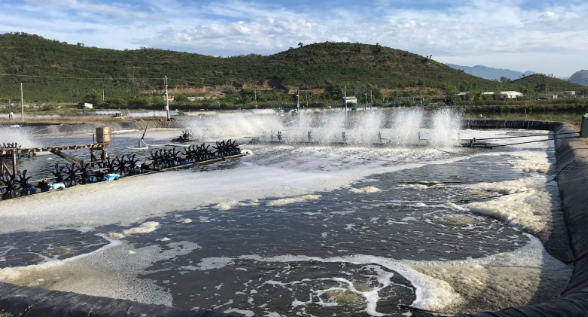
Causes of the Slime Layer in Lined Ponds
The slime layer in lined ponds is typically caused by:
Dissolved protein content from feed, uneaten feed
Dead algae, organic matter, shrimp molt residue, and shrimp waste
Methods for Managing the Slime Layer in Shrimp Ponds
Currently, many farmers who use lined ponds notice a slime layer at the pond’s bottom. Manual methods, like wiping with cloths or scrubbing with brushes, are often used, but these can be risky and may tear the pond lining.
For a more sustainable solution, Aqua Mina recommends the following:
Use EMG Probiotic
This probiotic decomposes insoluble substances, improves the pond’s biological, physical, and chemical conditions, eliminates pathogens, and transforms waste into beneficial microorganisms for shrimp and fish. You can purchase quality, authentic EMG probiotic products.
Utilize Circular Ponds with a Central Siphon Drain
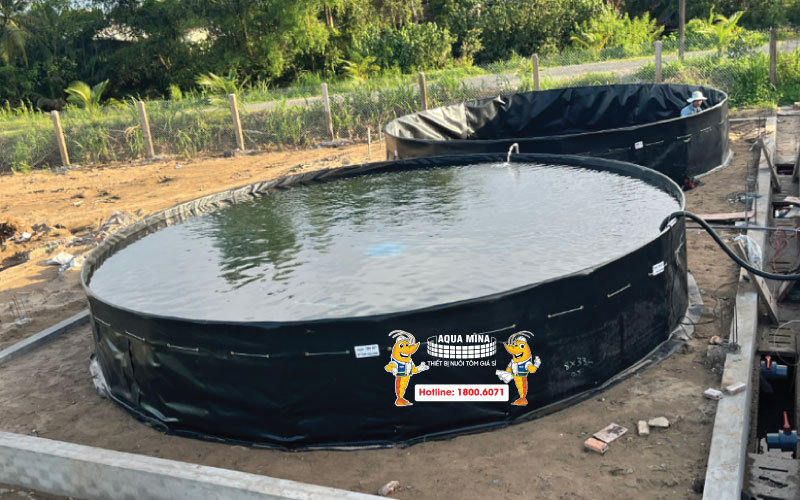
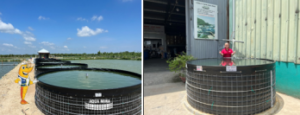
Design circular ponds with a siphon drain at the center. This setup, combined with aeration, facilitates the easy collection of waste at the central drain.
Pump Water from Settling Ponds and Filter It
Avoid directly pumping water into the pond, as this introduces suspended silt and residues, which can increase the slime layer at the pond bottom.
Contact AQUA MINA for consultation and supply of aquaculture round tanks and aquaculture equipment for high-tech shrimp farming.
- Address: 685 National Highway 1A, Binh Hung Hoa Ward, Binh Tan District, Ho Chi Minh City
- Phone: 1800 6071 (Toll-free hotline)
- Email: sales@aquamina.com.vn or oversea@aquamina.com.vn
Aqua Mina's distributor in Japan:
REX INDUSTRIES CO., LTD
- Address: 1-9-3 Hishiya-Higashi, Higashi-Osaka 578-0948 JAPAN
- Email: kimakubo@rexind.co.jp
- Phone: +81-(0)72-961-9893
- Website: http://www.rexind.co.jp/e/
WE WORK FOR YOUR SUCCESS
Ngày đăng : 05/11/2024
2574 View


Other Articles
Ca Mau, Can Tho and An Giang Play a Leading Role in Vietnam’s Shrimp Industry
Protecting rice-shrimp yields against environmental fluctuations caused by prolonged rain
AQUA MINA Turbo Blower: Quiet, Energy-Efficient Air Supply for Aquaculture Ponds
AQUA MINA has accompanied the experimental tank system project at Can Tho University from its very early days
AQUA MINA AMONG 20 OUTSTANDING PRESENTATIONS AT THE WORKSHOP ON APPLYING SCIENCE AND TECHNOLOGY TO IMPROVE THE QUALITY OF VIETNAM’S AQUATIC PRODUCTS
Vietnam’s Shrimp Farming Industry Enters the High-Tech Race
The U.S. market relies heavily on imported shrimp to bridge its domestic supply gap
The 2028 supply crisis: The shrimp industry is projected to face a 400,000-ton material shortage
High profits from high-tech shrimp farming come with persistent risks
Intensifying El Niño Effect: Climate Change Risks Threaten the Global Shrimp Supply Chain
Evaluating Gaps in the Circular Economy Value Chain of the Shrimp Industry
A Comprehensive Overview of the Vietnamese Shrimp Industry


.jpg)