


The Morphology of Vannamei Shrimp that You Need to Know
A. The External Morphology of Vannamei Shrimp
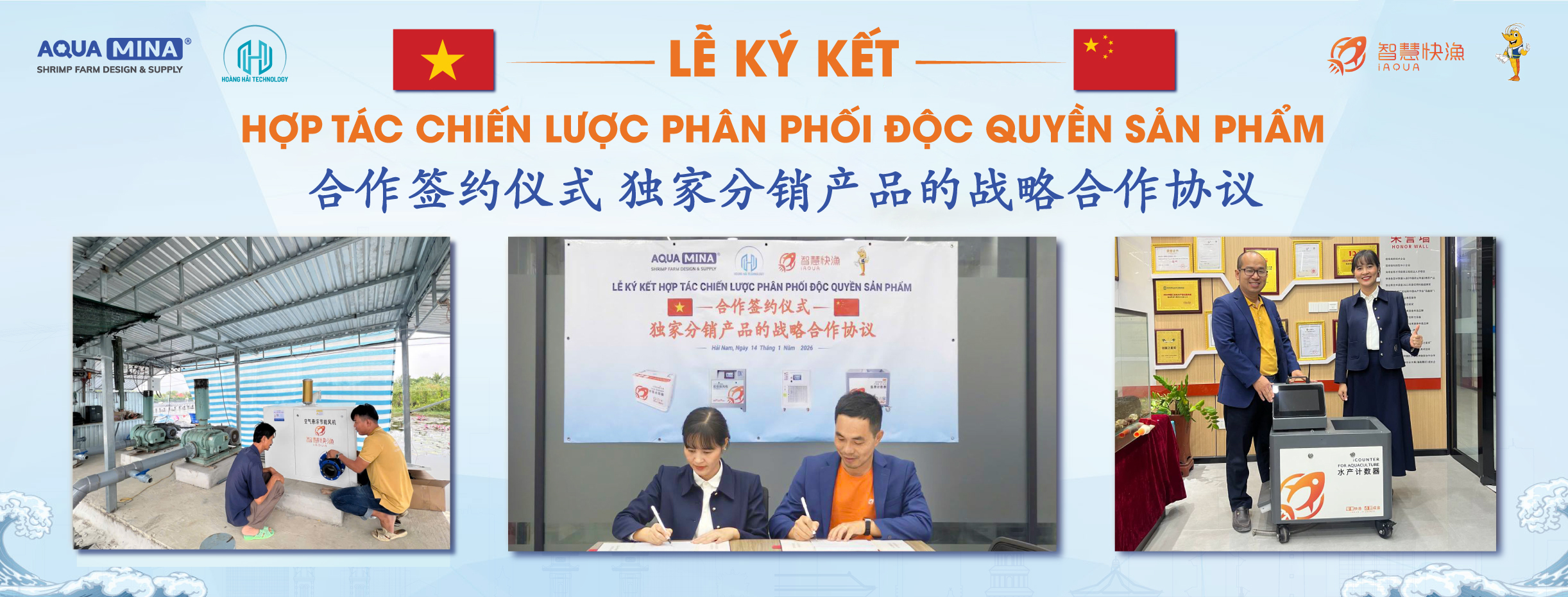
The external morphology of vannamei shrimp can be classified into two parts, the head and the body. The head is merged with the thorax, hence it is known as the cephalothorax. The cephalothorax has an outwardly pointing shell which is also known as the carapace.
Meanwhile, the body or abdomen has six pairs of segments. Pleopods, or swimming legs, can be found on the first five segments of the abdomen. The last segment consists of a fan tail, which includes the uropods and telson, helping the shrimp swim and maintain balance.
B. Internal Morphology of Vannamei Shrimp
1. Digestive system
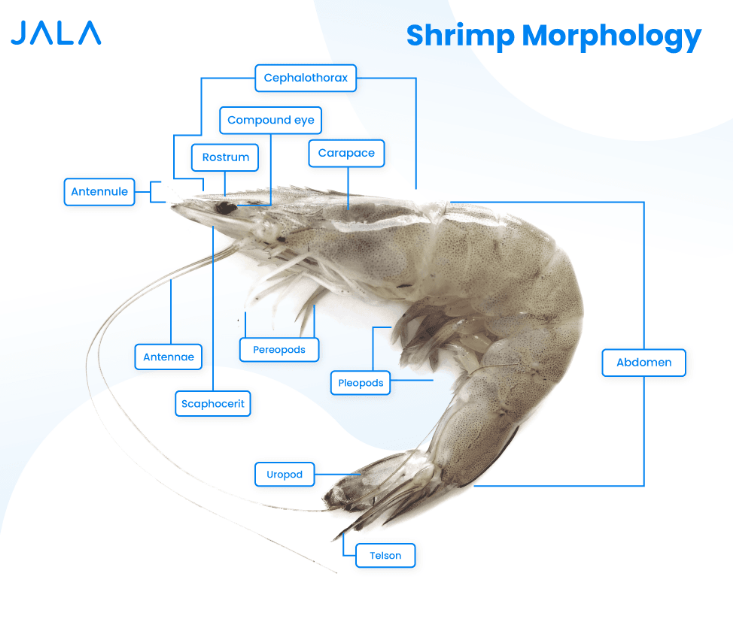
The vannamei shrimp’s digestive system comprises three parts. The first part, the foregut, starts at the mouth in the cephalothorax area. The second part or midgut stretches from the stomach to the sixth abdominal segment. The third part, the hindgut, has epithelial cells lined with cuticles and connects the midgut to the anus.
2. Respiratory system
Shrimp respire through gills, which are attached to the carapace in the cephalothorax. Aside from respiration, gills play a role in maintaining water and salt balance, ammonia secretion, and calcium uptake. Gills also filter and remove waste particles and bacteria.
3. Circulatory system
Shrimp have an open circulatory system, which means oxygen is transported throughout the body without blood vessels. Shrimp have a heart located dorsally in the cephalothorax. Hemolymph vessels leave the heart and branch out several times to reach the entire body.
4. Nervous system
Shrimp have a brain located at the back of the cephalothorax. The brain is connected to the ventral cord through two networks that pass through the esophagus. The brain serves as the main control center, connecting with all internal body parts. The central nervous system of shrimp is regulated by neurohormones released by several glands.
5. Reproductive system
Male shrimp have a pair of testes, vas deferens, and terminal ampullae. Spermatids are produced in the spermatogonia and mature in the seminiferous tubules. Meanwhile, female shrimp have a pair of elongated ovaries. Because shrimp have an external reproductive system, female shrimp have a genophore channel located on the third pair of walking legs (pereopods) to release eggs that are ready for fertilization.
6. Integumentary system
The integumentary or shell system of shrimp protects them from the surrounding environment and pathogens that may enter. Shrimp shell consists of cuticles made up of connective tissue, protein, carbohydrates, lipids, and calcium salts. However, the composition of shrimp shell may change depending on the molting phase.
Conclusion
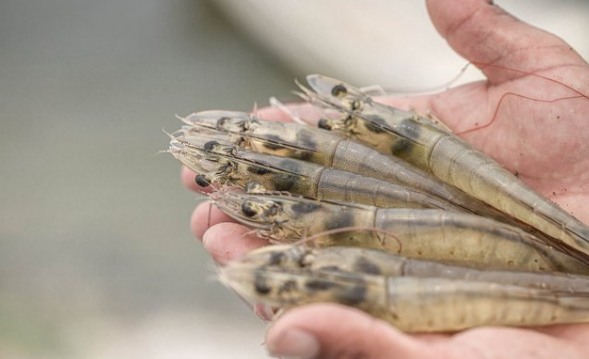
The morphology of vannamei shrimp can be divided into external and internal morphology. External morphology is divided into two parts: the head and the body. Meanwhile, the internal morphology of shrimp consists of the digestive, respiratory, circulatory, nervous, reproductive, and integumentary systems. All parts of the vannamei shrimp’s body play an important role in its growth and life cycle.
Cre: jala.tech
Aqua Mina's distributor in Japan: REX INDUSTRIES CO., LTD
- Address: 1-9-3 Hishiya-Higashi, Higashi-Osaka 578-0948 JAPAN
- Email: kimakubo@rexind.co.jp
- Phone: +81-(0)72-961-9893
- Website: http://www.rexind.co.jp/e/
WE WORK FOR YOUR SUCCESS!
Ngày đăng : 17/03/2025
3805 View


Other Articles
Ca Mau, Can Tho and An Giang Play a Leading Role in Vietnam’s Shrimp Industry
Protecting rice-shrimp yields against environmental fluctuations caused by prolonged rain
AQUA MINA Turbo Blower: Quiet, Energy-Efficient Air Supply for Aquaculture Ponds
AQUA MINA has accompanied the experimental tank system project at Can Tho University from its very early days
AQUA MINA AMONG 20 OUTSTANDING PRESENTATIONS AT THE WORKSHOP ON APPLYING SCIENCE AND TECHNOLOGY TO IMPROVE THE QUALITY OF VIETNAM’S AQUATIC PRODUCTS
Vietnam’s Shrimp Farming Industry Enters the High-Tech Race
The U.S. market relies heavily on imported shrimp to bridge its domestic supply gap
The 2028 supply crisis: The shrimp industry is projected to face a 400,000-ton material shortage
High profits from high-tech shrimp farming come with persistent risks
Intensifying El Niño Effect: Climate Change Risks Threaten the Global Shrimp Supply Chain
Evaluating Gaps in the Circular Economy Value Chain of the Shrimp Industry
A Comprehensive Overview of the Vietnamese Shrimp Industry


.jpg)