

Key Factors Enhancing the Competitiveness of Vietnam’s Shrimp Industry
To address this, shrimp farms and businesses must invest in closed-loop production processes, adopt biosecurity measures, and monitor quality from farming to processing. Implementing strict quality control not only ensures export-standard products but also enhances the global value of Vietnamese shrimp brands.
Toward Green Growth and Emission Reduction
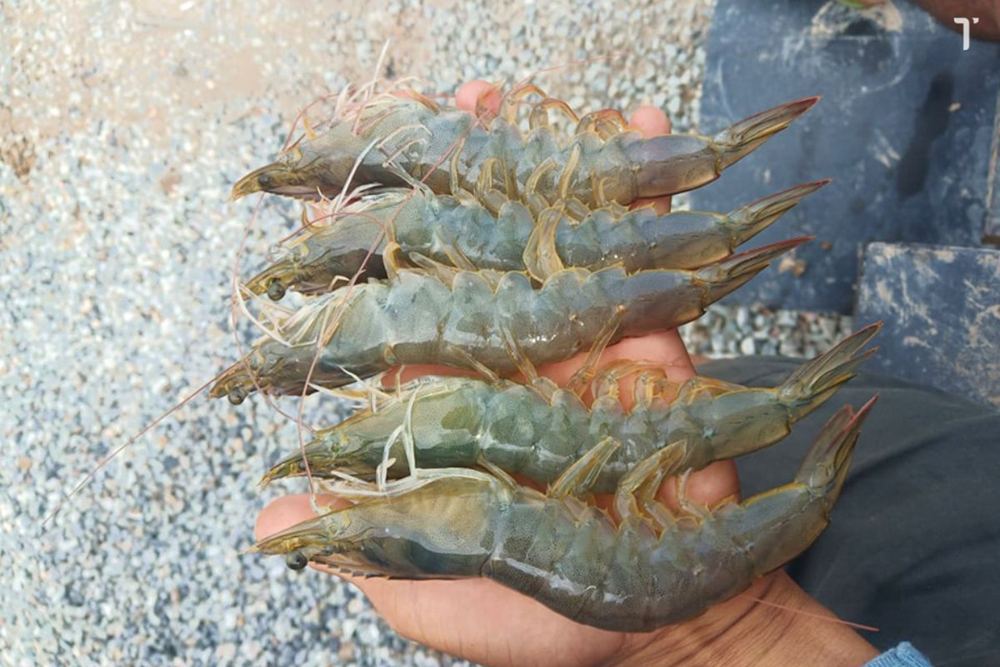
The national green growth strategy guides the shrimp sector toward resource efficiency, minimizing environmental impacts, and reducing greenhouse gas emissions. Environmentally friendly shrimp farming models—such as water-saving systems, the use of biological products, and shrimp breeds adapted to climate change—are being actively promoted.
These measures not only protect the environment but also cater to the rising global demand for green products, especially in high-end markets. The transition to green production is not just a trend but a long-term competitive advantage for Vietnam’s shrimp industry.
Applying High-Tech to Improve Productivity and Efficiency
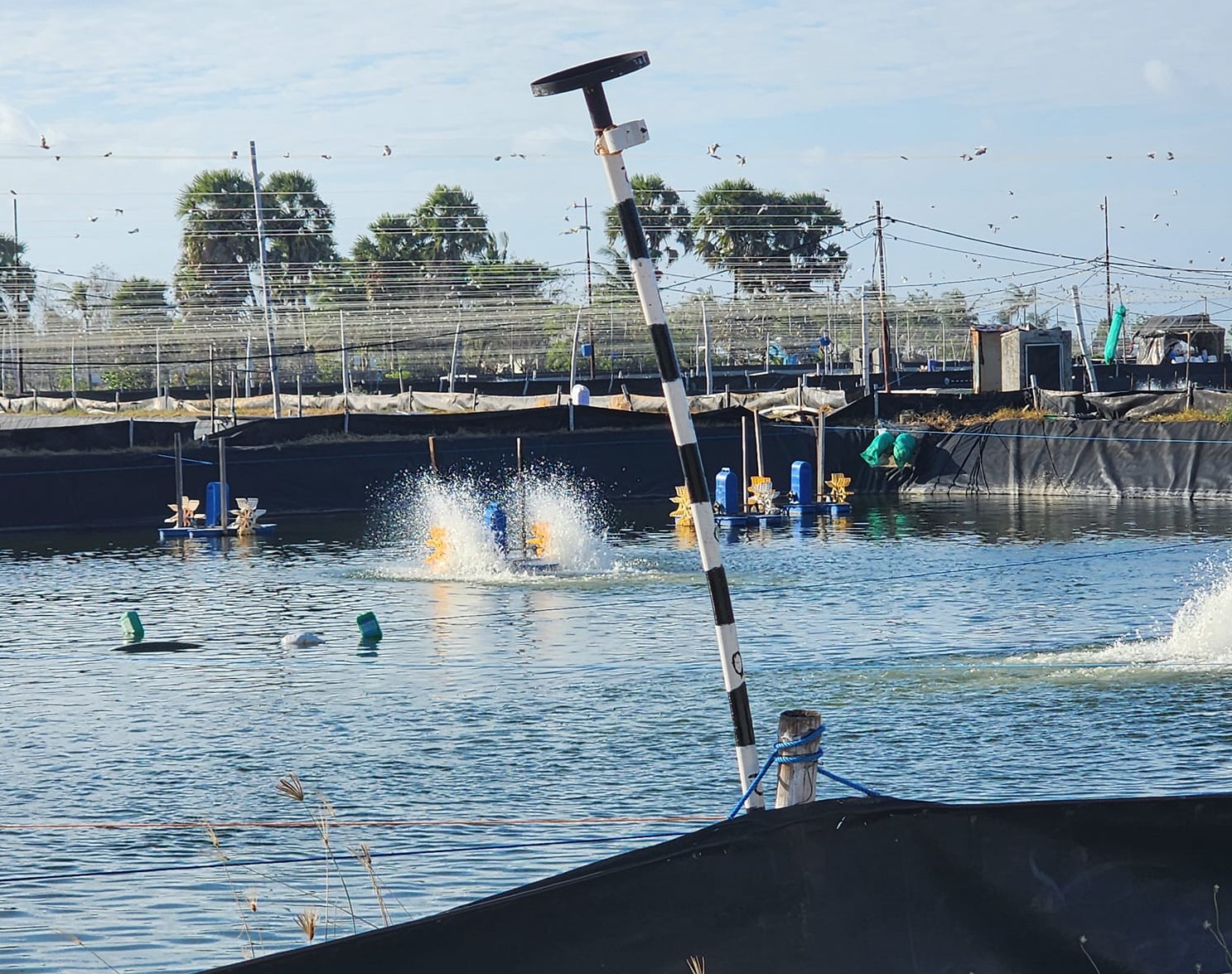
High-tech integration in shrimp farming has led to significant advancements. Recirculating aquaculture systems (RAS) allow water reuse, strict pond quality control, and reduced environmental pollution. Additionally, Biofloc technology employs beneficial microbes to stabilize the pond environment, reduce water exchange, and prevent diseases.
Moreover, artificial intelligence (AI) and the Internet of Things (IoT) enable real-time monitoring of pond parameters such as temperature, pH, and dissolved oxygen, supporting timely decision-making. In processing, advanced techniques like freeze-drying and cold-drying preserve product quality, extend shelf life, and increase post-harvest value.
Building a transparent and responsible value chain: From hatchery to market
improving seed quality and optimizing nutrition
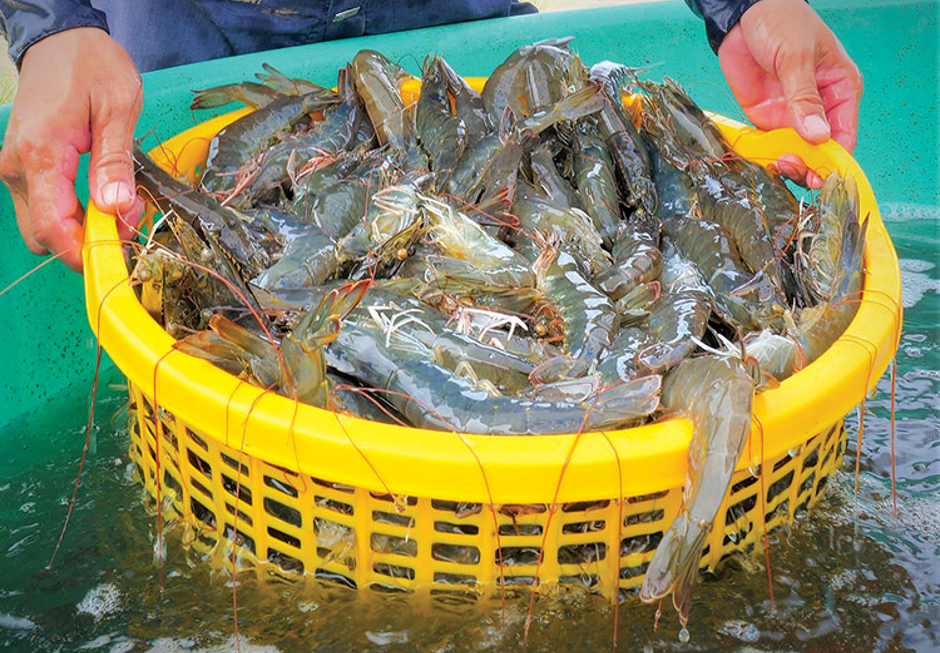
High-quality broodstock is a critical success factor.
The use of specific pathogen-free (SPF) shrimp with traceable origins and verified by modern technology such as PCR is essential. Genetic selection technologies help produce disease-resistant, fast-growing shrimp strains adaptable to changing farming conditions.
In feed management, optimizing the feed conversion ratio (FCR) helps cut costs and reduce pollution. Commercial feeds must be tailored to each developmental stage, with balanced nutrients and high digestibility. Research into alternative protein sources such as insect meal and fermentation technologies is also paving the way for more sustainable aquafeed development.
Developing a Transparent and Accountable Value Chain
To achieve sustainable growth, the shrimp industry must establish a closely linked value chain from broodstock production, farming, and processing to consumption. Strengthening links among stakeholders helps minimize risks, improve product quality, and create added value.
Importantly, transparency in production processes, traceability, labor standards, and social responsibility are urgent market requirements. Public-private partnerships (PPPs) should also be fostered, combining state resources with private capital, technology, and management expertise. These will serve as vital levers for the industry to overcome challenges, lead trends, and maintain global competitiveness.
Vietnam’s shrimp industry is facing tremendous opportunities to solidify its position on the global seafood map. However, sustainable development requires comprehensive solutions—from international compliance and high-tech adoption to process optimization and transparent value chain construction. This is not only a necessary path in the face of fierce competition but also a foundation for improving livelihoods, protecting the environment, and contributing positively to the country’s economic development.
Source: tepbac.com
Aqua Mina's distributor in Japan: REX INDUSTRIES CO., LTD
- Address: 1-9-3 Hishiya-Higashi, Higashi-Osaka 578-0948 JAPAN
- Email: kimakubo@rexind.co.jp
- Phone: +81-(0)72-961-9893
- Website: http://www.rexind.co.jp/e/
WE WORK FOR YOUR SUCCESS!
Ngày đăng : 16/05/2025
2583 View


Other Articles
Ca Mau, Can Tho and An Giang Play a Leading Role in Vietnam’s Shrimp Industry
Protecting rice-shrimp yields against environmental fluctuations caused by prolonged rain
AQUA MINA Turbo Blower: Quiet, Energy-Efficient Air Supply for Aquaculture Ponds
AQUA MINA has accompanied the experimental tank system project at Can Tho University from its very early days
AQUA MINA AMONG 20 OUTSTANDING PRESENTATIONS AT THE WORKSHOP ON APPLYING SCIENCE AND TECHNOLOGY TO IMPROVE THE QUALITY OF VIETNAM’S AQUATIC PRODUCTS
Vietnam’s Shrimp Farming Industry Enters the High-Tech Race
The U.S. market relies heavily on imported shrimp to bridge its domestic supply gap
The 2028 supply crisis: The shrimp industry is projected to face a 400,000-ton material shortage
High profits from high-tech shrimp farming come with persistent risks
Intensifying El Niño Effect: Climate Change Risks Threaten the Global Shrimp Supply Chain
Evaluating Gaps in the Circular Economy Value Chain of the Shrimp Industry
A Comprehensive Overview of the Vietnamese Shrimp Industry


.jpg)