

Toxic Substances in Shrimp Ponds: Hidden Threats to Shrimp Survival
Toxic substances in shrimp ponds are produced by the nitrogen cycle activity and bacterial decomposition processes. At certain levels, the presence of these substances can impact shrimp’s health and threaten their survival.
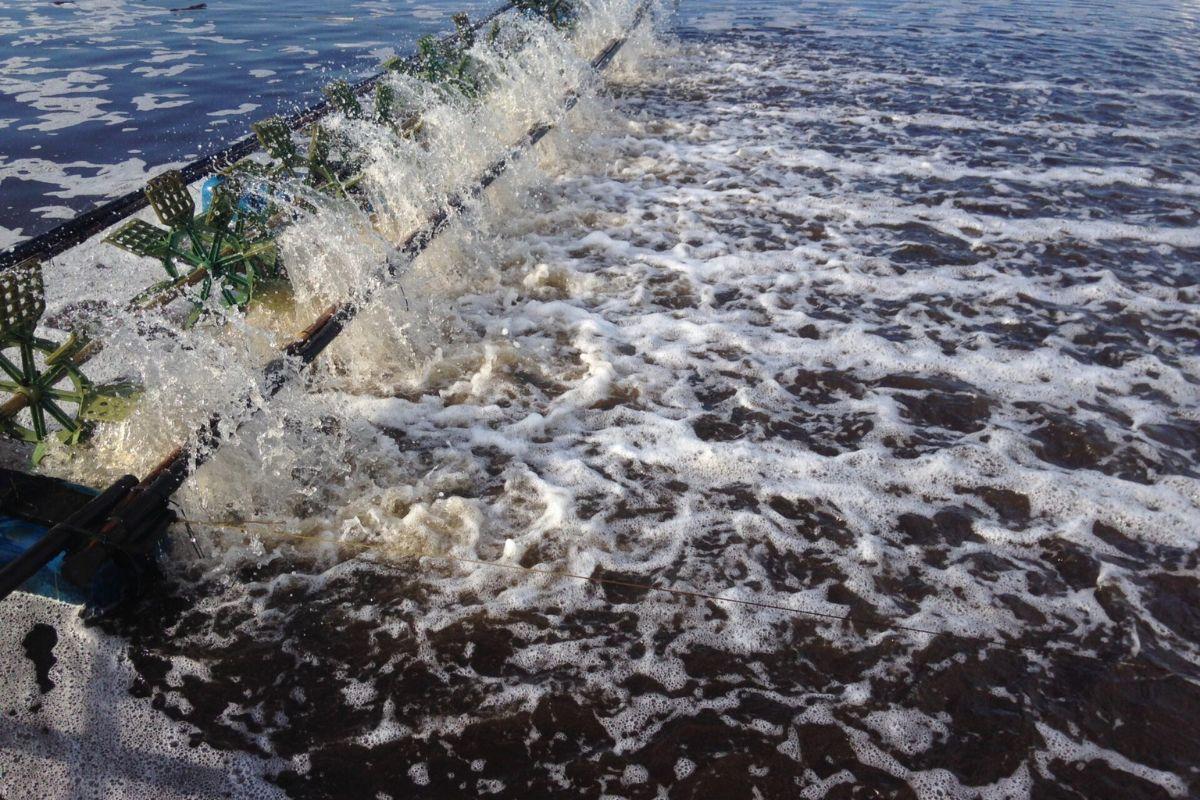
Ammonia, nitrite, plankton toxins, and hydrogen sulphide are some examples of toxic substances in shrimp ponds.
Toxic Substances in Shrimp Ponds
1. Ammonia
The first toxic substance in shrimp ponds is ammonia, which results from the shrimp’s metabolic processes and the decomposition of leftover feed, feces, and dead plankton. Ammonia is not toxic if its concentration remains below a certain threshold, so it should be monitored continuously.
The presence of ammonia in shrimp ponds is also important because it can be beneficial for phytoplankton. Phytoplankton plays a role in fixing dinitrogen gas conversion processes into nitrogen and uses nitrogen sources as nutrients for growth.
The ammonia level in the pond should not exceed 0.1 ppm. If it goes beyond this limit, it can negatively impact shrimp survival, leading to slowed growth, increased stress, and heightened susceptibility to diseases.
2. Nitrite
Nitrite is a toxic substance in shrimp ponds produced from partially oxidized nitrogen. It is not typically found in fresh wastewater but accumulates in aged and stagnant wastewater.
High nitrite levels can result from excessive shrimp feeding, excessive sediment density, poor water circulation, and other factors disrupting the nitrogen cycle balance.
Nitrite is highly toxic to vannamei shrimp and can lead to various negative effects, including inhibited shrimp growth and development, and even death.
Although nitrite levels are usually low in shrimp ponds, their toxicity is especially dangerous in the early stages of cultivation. During this phase, nitrite levels can increase rapidly and reach toxic levels that endanger shrimp.
3. Plankton Toxins (Blue-Green Algae)
Plankton can also release dangerous toxins in shrimp ponds, especially cyanobacteria or blue-green algae (BGA), which can cause the death of herbivorous zooplankton. These plankton toxins are undoubtedly harmful to shrimp survival, especially in their digestive systems.
Plankton toxins typically appear during mass plankton deaths, known as plankton blooms. On the other hand, this phenomenon also reduces water transparency, preventing oxygen from reaching the pond’s bottom and causing the accumulation of toxic compounds like ammonia, nitrite, and hydrogen sulphide.
4. Hydrogen Sulfide
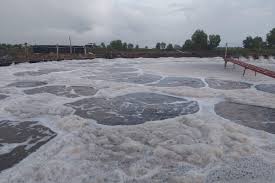
Hydrogen sulphide is a compound produced by bacterial activity from organic matter in anaerobic conditions, which usually occurs at the pond’s bottom. This compound usually appears in pond bottoms with a lack of oxygen supply. In shrimp ponds, the hydrogen sulphide concentration should be ≤ 0.01 ppm.
Several factors contribute to the abundance of hydrogen sulphide in ponds, including insufficient sunlight reaching the pond bottom, lack of oxygen supply at the pond bottom, and the presence of organic matter leading to sedimentation at the pond bottom.
Cre: delosaqua.com
Contact AQUA MINA for consultation and supply of aquaculture round tanks and aquaculture equipment for high-tech shrimp farming.
- Address: 685 National Highway 1A, Binh Hung Hoa Ward, Binh Tan District, Ho Chi Minh City
- Phone: 1800 6071 (Toll-free hotline)
- Email: sales@aquamina.com.vn or oversea@aquamina.com.vn
Aqua Mina's distributor in Japan: REX INDUSTRIES CO., LTD
- Address: 1-9-3 Hishiya-Higashi, Higashi-Osaka 578-0948 JAPAN
- Email: kimakubo@rexind.co.jp
- Phone: +81-(0)72-961-9893
- Website: http://www.rexind.co.jp/e/
WE WORK FOR YOUR SUCCESS!
Ngày đăng : 11/02/2025
3027 View


Other Articles
CA MAU ACCELERATES MARINE AQUACULTURE DEVELOPMENT FROM 2026 TO 2030, WITH A VISION TO 2045
VIETNAM’S SHRIMP INDUSTRY: FROM RECORD EXPORTS TO THE RACE FOR EFFICIENCY AND VALUE
Why Did a Customer Travel from Vinh Long to Ho Chi Minh City to Buy AQUA MINA PVC Knife Gate Valve
Green & Digital Transformation: A New Eco-Cycle for Shrimp-Rice Farming
High-Tech Shrimp Farming: A Double-Edged Sword
Why are PVC knife gate valves preferred for bottom drain pipes in shrimp and fish ponds?
EU’s New Packaging Life Cycle Regulations: What Should Seafood Businesses Prepare For?
Wild Shrimp Harvesting Faces Challenges in Supply and Sustainability
Minh Phú Invests in Production Expansion and Accelerates Automation in the Shrimp Industry
The U.S. Shrimp Market Recovers and Moves Toward Stability
What needs to be checked on a knife gate valve before it reaches the customer?
Mastering RAS technology: The answer to green aquaculture


.jpg)