

Toxic Substances in Shrimp Ponds: Hidden Threats to Shrimp Survival
Toxic substances in shrimp ponds are produced by the nitrogen cycle activity and bacterial decomposition processes. At certain levels, the presence of these substances can impact shrimp’s health and threaten their survival.
Ammonia, nitrite, plankton toxins, and hydrogen sulfide are some examples of toxic substances in shrimp ponds. Read more about them in this article!
Toxic Substances in Shrimp Ponds
1. Ammonia
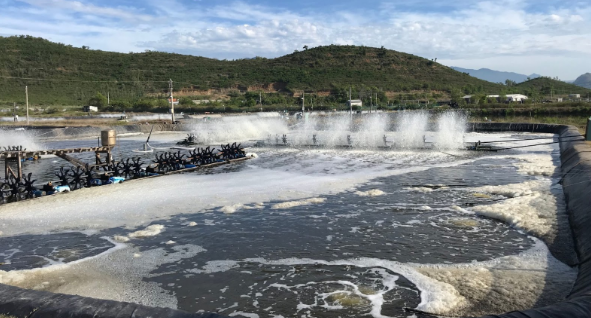
The first toxic substance in shrimp ponds is ammonia, which results from the shrimp’s metabolic processes and the decomposition of leftover feed, feces, and dead plankton. Ammonia is not toxic if its concentration remains below a certain threshold, so it should be monitored continuously.
The presence of ammonia in shrimp ponds is also important because it can be beneficial for phytoplankton. Phytoplankton plays a role in fixing dinitrogen gas conversion processes into nitrogen and uses nitrogen sources as nutrients for growth.
The ammonia level in the pond should not exceed 0.1 ppm. If it goes beyond this limit, it can negatively impact shrimp survival, leading to slowed growth, increased stress, and heightened susceptibility to diseases.
2. Nitrite
Nitrite is a toxic substance in shrimp ponds produced from partially oxidized nitrogen. It is not typically found in fresh wastewater but accumulates in aged and stagnant wastewater.
High nitrite levels can result from excessive shrimp feeding, excessive sediment density, poor water circulation, and other factors disrupting the nitrogen cycle balance.
Nitrite is highly toxic to vannamei shrimp and can lead to various negative effects, including inhibited shrimp growth and development, and even death.
Although nitrite levels are usually low in shrimp ponds, their toxicity is especially dangerous in the early stages of cultivation. During this phase, nitrite levels can increase rapidly and reach toxic levels that endanger shrimp.
3. Plankton Toxins (Blue-Green Algae)
Plankton can also release dangerous toxins in shrimp ponds, especially cyanobacteria or blue-green algae (BGA), which can cause the death of herbivorous zooplankton. These plankton toxins are undoubtedly harmful to shrimp survival, especially in their digestive systems.
Plankton toxins typically appear during mass plankton deaths, known as plankton blooms. On the other hand, this phenomenon also reduces water transparency, preventing oxygen from reaching the pond’s bottom and causing the accumulation of toxic compounds like ammonia, nitrite, and hydrogen sulfide.
4. Hydrogen Sulfide
Hydrogen sulfide is a compound produced by bacterial activity from organic matter in anaerobic conditions, which usually occurs at the pond’s bottom. This compound usually appears in pond bottoms with a lack of oxygen supply. In shrimp ponds, the hydrogen sulfide concentration should be ≤ 0.01 ppm.
Sveral factors contribute to the abundance of hydrogen sulfide in ponds, including insufficient sunlight reaching the pond bottom, lack of oxygen supply at the pond bottom, and the presence of organic matter leading to sedimentation at the pond bottom.
Cre: DELOS Aqua
Ngày đăng : 30/06/2024
2866 View


Other Articles
Ca Mau, Can Tho and An Giang Play a Leading Role in Vietnam’s Shrimp Industry
Protecting rice-shrimp yields against environmental fluctuations caused by prolonged rain
AQUA MINA Turbo Blower: Quiet, Energy-Efficient Air Supply for Aquaculture Ponds
AQUA MINA has accompanied the experimental tank system project at Can Tho University from its very early days
AQUA MINA AMONG 20 OUTSTANDING PRESENTATIONS AT THE WORKSHOP ON APPLYING SCIENCE AND TECHNOLOGY TO IMPROVE THE QUALITY OF VIETNAM’S AQUATIC PRODUCTS
Vietnam’s Shrimp Farming Industry Enters the High-Tech Race
The U.S. market relies heavily on imported shrimp to bridge its domestic supply gap
The 2028 supply crisis: The shrimp industry is projected to face a 400,000-ton material shortage
High profits from high-tech shrimp farming come with persistent risks
Intensifying El Niño Effect: Climate Change Risks Threaten the Global Shrimp Supply Chain
Evaluating Gaps in the Circular Economy Value Chain of the Shrimp Industry
A Comprehensive Overview of the Vietnamese Shrimp Industry


.jpg)