


White Feces Disease in Shrimp
1. Causes of white feces disease in shrimp:
Toxic algae, especially blue-green algae, red algae, and euglenoids.
Vibrio bacteria present in pond water and in the shrimp’s intestines.
Infection by Gregarine parasites.
Misuse or overuse of antibiotics.
Poor-quality or mold-contaminated leftover feed.
Pond water pollution; the intestines are affected by toxins such as NH3, H2S, NO2, etc.
Overstocking (high stocking density).
Hot or unstable weather conditions causing stress in shrimp.
2. Symptoms of shrimp affected by white feces disease:
Reduced feeding; the shrimp’s color turns darker.
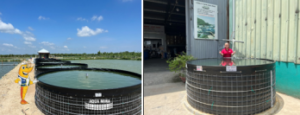
In larger ponds, the disease is especially dangerous because it may be too late to treat once detected, even if action is taken. Farmers are increasingly opting for small to medium-sized ponds to better manage all aspects of the pond. Currently, mobile nursery ponds and containment ponds produced by AQUA MINA are the top choice.
The hepatopancreas becomes pale and soft; the intestines and feces turn yellow or white.
The shrimp’s shell becomes soft.
The gills turn dark.
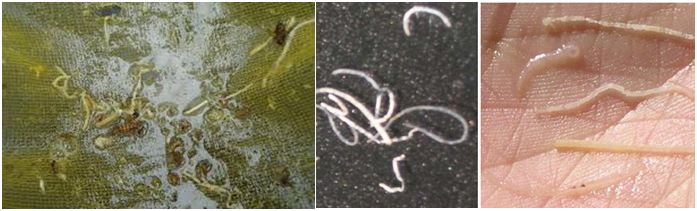
White or yellow-brown fecal threads appear in the nets, float on the surface, or collect in the corners of the pond or downwind.
3. Treatment for white feces disease:
Water treatment:
Replace the pond water with fresh, clean water. This is especially easy if using a mobile nursery system.
Disinfect the pond.
After two days, introduce probiotics in high doses in the evening, aerate the pond, and repeat the process after two days.
Feeding:
Days 1 and 2: Stop feeding or reduce the amount by 50%.
Days 3 to 5: Administer antibiotics (dose: 10 ml/kg of feed) twice a day, in the morning and afternoon.
Enhance gut probiotics.
Replace the water and aerate immediately after water treatment.
4. Recommendations for disease prevention:
Stock shrimp at moderate densities. Feed only the necessary amount.
Regularly treat with probiotics and disinfectants.
Do not use antibiotics for disease prevention.
Ensure environmental parameters remain stable and limit gas levels.
Ngày đăng : 17/10/2024
2526 View


Other Articles
Ca Mau, Can Tho and An Giang Play a Leading Role in Vietnam’s Shrimp Industry
Protecting rice-shrimp yields against environmental fluctuations caused by prolonged rain
AQUA MINA Turbo Blower: Quiet, Energy-Efficient Air Supply for Aquaculture Ponds
AQUA MINA has accompanied the experimental tank system project at Can Tho University from its very early days
AQUA MINA AMONG 20 OUTSTANDING PRESENTATIONS AT THE WORKSHOP ON APPLYING SCIENCE AND TECHNOLOGY TO IMPROVE THE QUALITY OF VIETNAM’S AQUATIC PRODUCTS
Vietnam’s Shrimp Farming Industry Enters the High-Tech Race
The U.S. market relies heavily on imported shrimp to bridge its domestic supply gap
The 2028 supply crisis: The shrimp industry is projected to face a 400,000-ton material shortage
High profits from high-tech shrimp farming come with persistent risks
Intensifying El Niño Effect: Climate Change Risks Threaten the Global Shrimp Supply Chain
Evaluating Gaps in the Circular Economy Value Chain of the Shrimp Industry
A Comprehensive Overview of the Vietnamese Shrimp Industry


.jpg)