


High-Density Genetic Map and Sex-Determination Genes in Pacific White Shrimp
The study involved the creation of male, female, and sex-averaged genetic maps using a 50K single-nucleotide polymorphism (SNP) array. SNPs are variations at a single position in a DNA sequence among individuals, and they serve as valuable markers for genetic studies. The researchers then conducted a genome-wide association study (GWAS) to pinpoint genomic regions linked to sex in Pacific white shrimp.
The significance of this research is multifaceted. Firstly, the construction of dense genetic linkage maps provides a robust framework for future genomic studies. These maps enable the identification of genetic markers associated with traits of economic importance, facilitating selective breeding programs aimed at improving shrimp production. Previous studies have highlighted the potential of SNPs for genetic characterization and selective breeding in shrimp.
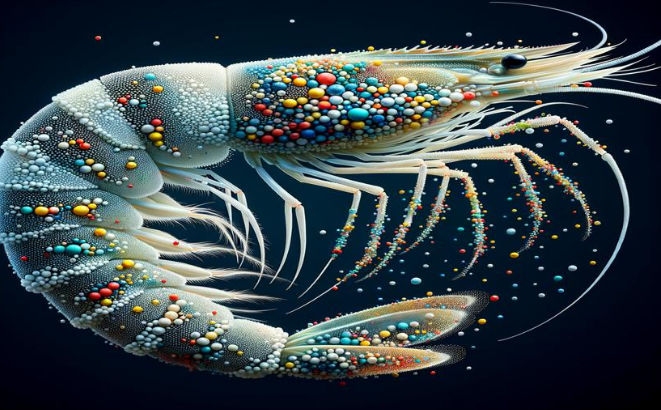
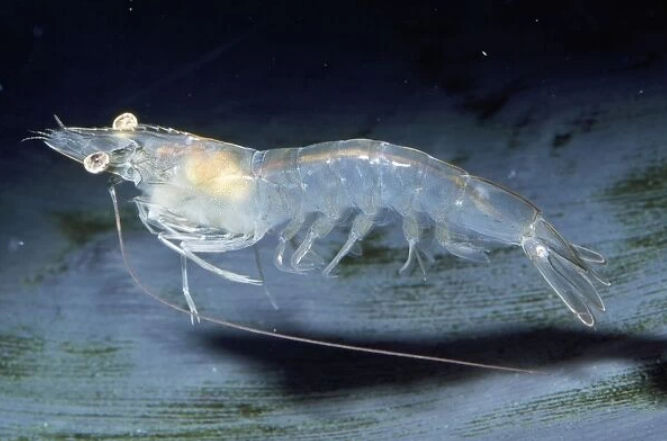
Moreover, understanding the genetic basis of sex determination is particularly valuable for the aquaculture industry. Many cultured crustacean species, including shrimp, exhibit sexually dimorphic growth patterns, meaning that males and females grow at different rates. Cultivating monosex populations can lead to higher yields and reduce the risk of invasive species[4]. By mapping the sex-determination region in Pacific white shrimp, this study lays the groundwork for potential applications in reproductive management, such as the production of all-male or all-female populations through genetic or hormonal manipulation.
The methods employed in this study are noteworthy for their comprehensiveness and precision. The use of a 50K SNP array allowed for the high-resolution mapping of genetic markers across the shrimp genome. This level of detail is crucial for identifying specific genomic regions associated with sex determination. The GWAS approach further strengthened the study by statistically associating these genetic markers with the sex trait, providing a clear direction for future research and practical applications.
This study builds on previous findings that have mapped SNPs and constructed genetic linkage maps for Pacific white shrimp. However, the current research significantly expands the genomic resources available for this species, offering a more detailed and high-density map that can be used for a variety of applications, from selective breeding to reproductive management.
In summary, the research conducted by São Paulo State University (Unesp) represents a significant advancement in the genomics of Pacific white shrimp. By constructing high-density genetic maps and identifying genomic regions associated with sex determination, the study provides valuable tools for improving economically important traits and managing shrimp populations more effectively. This work not only enhances our understanding of shrimp genetics but also offers practical solutions for the aquaculture industry, aligning with previous research efforts and setting the stage for future innovations.
Cre: Natural Science News
Ngày đăng : 08/06/2024
1925 View


Other Articles
Ca Mau, Can Tho and An Giang Play a Leading Role in Vietnam’s Shrimp Industry
Protecting rice-shrimp yields against environmental fluctuations caused by prolonged rain
AQUA MINA Turbo Blower: Quiet, Energy-Efficient Air Supply for Aquaculture Ponds
AQUA MINA has accompanied the experimental tank system project at Can Tho University from its very early days
AQUA MINA AMONG 20 OUTSTANDING PRESENTATIONS AT THE WORKSHOP ON APPLYING SCIENCE AND TECHNOLOGY TO IMPROVE THE QUALITY OF VIETNAM’S AQUATIC PRODUCTS
Vietnam’s Shrimp Farming Industry Enters the High-Tech Race
The U.S. market relies heavily on imported shrimp to bridge its domestic supply gap
The 2028 supply crisis: The shrimp industry is projected to face a 400,000-ton material shortage
High profits from high-tech shrimp farming come with persistent risks
Intensifying El Niño Effect: Climate Change Risks Threaten the Global Shrimp Supply Chain
Evaluating Gaps in the Circular Economy Value Chain of the Shrimp Industry
A Comprehensive Overview of the Vietnamese Shrimp Industry








.jpg)