


5 Important Factors in Shrimp Farming
Whether we like it or not, if we want to succeed in shrimp farming, we need to understand these 5 critical factors.
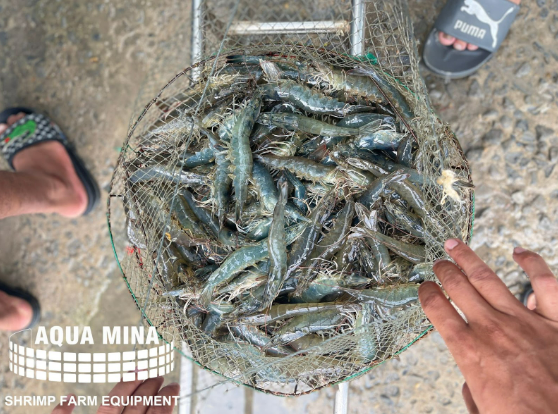
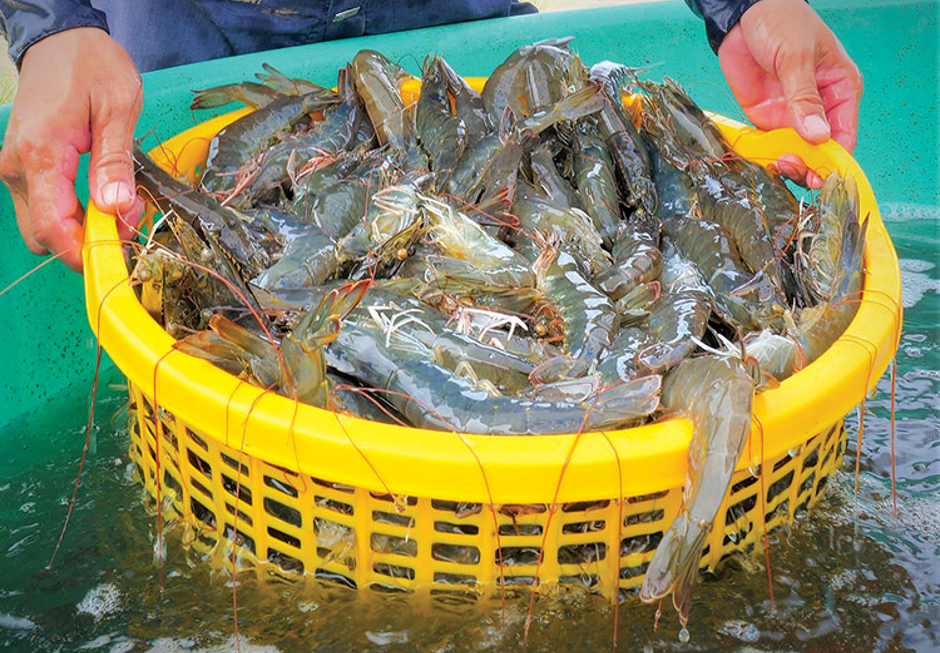
5 Key Points in Shrimp Farming
1. Shrimp Pond Environment
There is a well-known saying passed down from our ancestors: Raising shrimp is raising water. This shows how crucial the water environment is in shrimp farming. The indicators need to be stable and meet the necessary criteria for shrimp to live and grow, such as pH, alkalinity, dissolved oxygen, algae, salinity, and toxic gases.
It is essential to regularly monitor weather forecasts to proactively prevent sudden changes in the shrimp pond’s environmental indicators caused by rain, sun, wind, and storms.
2. Basic Knowledge and Disease Prevention for Shrimp
Always prioritize and implement disease prevention for shrimp from the start. Preventative measures help minimize the risk of shrimp contracting diseases.
Basic knowledge of shrimp disease prevention includes knowing how to handle toxic gases, harmful algae, viruses, harmful bacteria, and parasites to detect problems early and treat shrimp effectively.
3. Feed Supply
Feed accounts for 50% or more of the total investment in shrimp farming. Proper management of feed is necessary to avoid excess, which leads to waste and water pollution.
Choose high-quality industrial feed that contains sufficient protein, combined with homemade feed and naturally sourced feed.
Always use probiotics for water treatment, natural feed generation, and supplements like vitamin C, multivitamins, and minerals to keep the shrimp healthy.
4. Building a Shrimp Farming Model
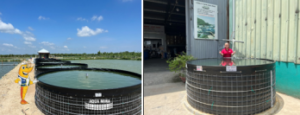
There are several types of shrimp farming models, such as: shrimp farming in earthen ponds, shrimp farming in earthen ponds with tarpaulin linings, shrimp farming in concrete ponds, concrete ponds with tarpaulin linings, and shrimp farming in round steel-frame ponds with tarpaulin linings.
Each model has its advantages in terms of construction, investment, costs, and operational convenience. Recently, the round tarpaulin-lined pond model has gained popularity due to its many advantages and much higher efficiency compared to other models.
5. Understanding the Technical Process of Shrimp Farming
Determine the farming model, understand how to treat and prepare the pond for stocking, and manage both the initial stocking and the meat farming stages.
Create water color to generate natural feed, carefully release the juvenile shrimp, and nurse them during the first stage for about 15-25 days to ensure strong juveniles with a high survival rate.
When transitioning to the meat farming stage, it’s crucial to understand each development phase and adjust feed ratios accordingly to maximize the shrimp’s growth to their largest size.
Ngày đăng : 26/10/2024
2526 View


Other Articles
Ca Mau, Can Tho and An Giang Play a Leading Role in Vietnam’s Shrimp Industry
Protecting rice-shrimp yields against environmental fluctuations caused by prolonged rain
AQUA MINA Turbo Blower: Quiet, Energy-Efficient Air Supply for Aquaculture Ponds
AQUA MINA has accompanied the experimental tank system project at Can Tho University from its very early days
AQUA MINA AMONG 20 OUTSTANDING PRESENTATIONS AT THE WORKSHOP ON APPLYING SCIENCE AND TECHNOLOGY TO IMPROVE THE QUALITY OF VIETNAM’S AQUATIC PRODUCTS
Vietnam’s Shrimp Farming Industry Enters the High-Tech Race
The U.S. market relies heavily on imported shrimp to bridge its domestic supply gap
The 2028 supply crisis: The shrimp industry is projected to face a 400,000-ton material shortage
High profits from high-tech shrimp farming come with persistent risks
Intensifying El Niño Effect: Climate Change Risks Threaten the Global Shrimp Supply Chain
Evaluating Gaps in the Circular Economy Value Chain of the Shrimp Industry
A Comprehensive Overview of the Vietnamese Shrimp Industry


.jpg)