



Controlling white feces syndrome in shrimp requires a comprehensive solution
White Feces Disease (WFD) continues to be one of the major challenges for whiteleg shrimp farming, especially in intensive and super-intensive systems. According to experts, the disease is not only associated with Vibrio spp. bacteria but also stems from deteriorating water quality, organic matter accumulation, high stocking densities, and weakened shrimp digestive systems. Therefore, controlling the disease requires a comprehensive approach, prioritizing early prevention.
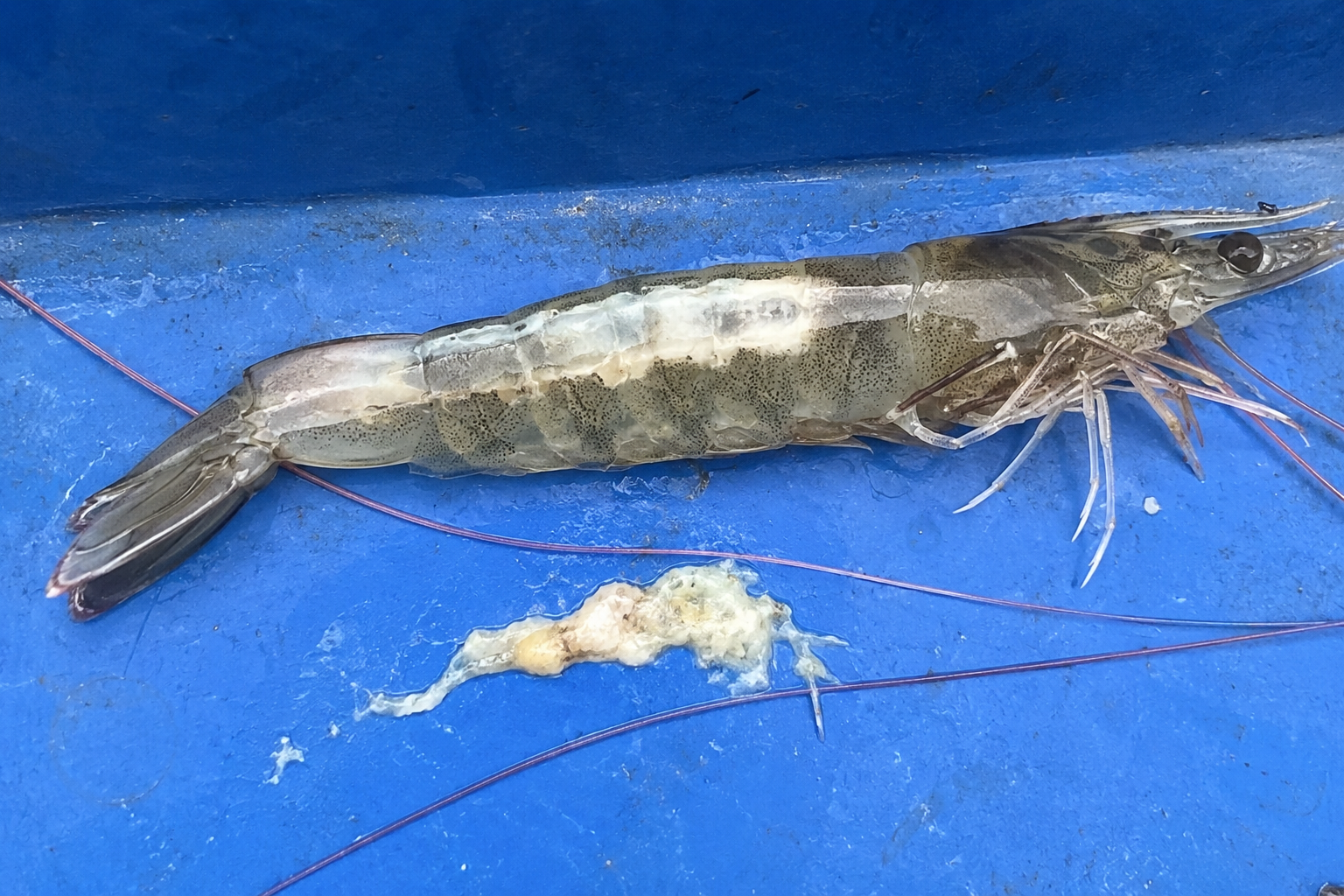
Typical signs of the disease include white fecal strings floating on the water surface, reduced feed intake, empty or segmented intestines, pale hepatopancreas, and delayed growth. The disease usually breaks out when the pond environment becomes imbalanced due to excess feed, accumulated shrimp waste, and dead algae, which foster the proliferation of harmful bacteria.
To mitigate the disease, farmers need to use disease-free seeds, strictly manage environmental parameters such as pH, alkalinity, dissolved oxygen, and toxic gases; while periodically siphoning the pond bottom and changing treated water. In addition, supplementing with probiotics, digestive enzymes, managing feed rations rationally, and boosting shrimp immunity will contribute to effective disease control, reducing the risk of recurrence and improving farming productivity.
AQUA MINA CO., LTD
WE WORK FOR THE SUCCESS


Ca Mau, Can Tho and An Giang Play a Leading Role in Vietnam’s Shrimp Industry
Protecting rice-shrimp yields against environmental fluctuations caused by prolonged rain
AQUA MINA Turbo Blower: Quiet, Energy-Efficient Air Supply for Aquaculture Ponds
AQUA MINA has accompanied the experimental tank system project at Can Tho University from its very early days
AQUA MINA AMONG 20 OUTSTANDING PRESENTATIONS AT THE WORKSHOP ON APPLYING SCIENCE AND TECHNOLOGY TO IMPROVE THE QUALITY OF VIETNAM’S AQUATIC PRODUCTS
Vietnam’s Shrimp Farming Industry Enters the High-Tech Race
The U.S. market relies heavily on imported shrimp to bridge its domestic supply gap
The 2028 supply crisis: The shrimp industry is projected to face a 400,000-ton material shortage
High profits from high-tech shrimp farming come with persistent risks
Intensifying El Niño Effect: Climate Change Risks Threaten the Global Shrimp Supply Chain
Evaluating Gaps in the Circular Economy Value Chain of the Shrimp Industry
A Comprehensive Overview of the Vietnamese Shrimp Industry












.jpg)
