



These are 11 Characteristics of Healthy and Diseased Shrimp
The characteristics of healthy and diseased shrimp can be seen from their physical, behavioral, and physiological indicators. Understanding these characteristics can help farmers take the following steps regarding the condition of the shrimp.
So, what are the characteristics of healthy and diseased shrimp? Read more in this article!
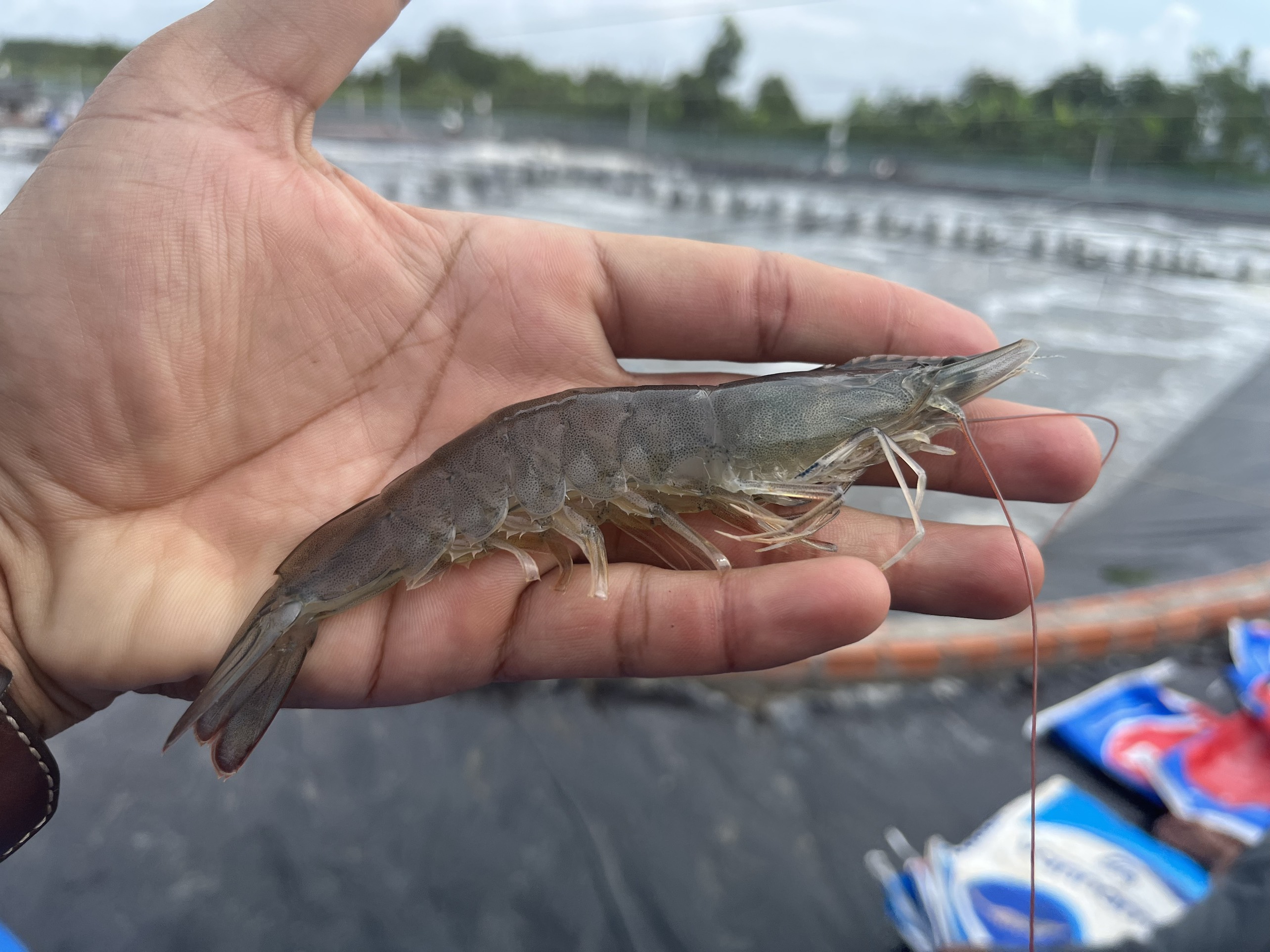
Characteristics of Healthy Shrimp
1. Active Swimming and Responsive
The characteristics of healthy shrimp can be seen from the level of activity. Healthy shrimp will usually actively swim around and be responsive. For example, when fed, healthy shrimp will surface.
2. Clear and Bright Colored Body
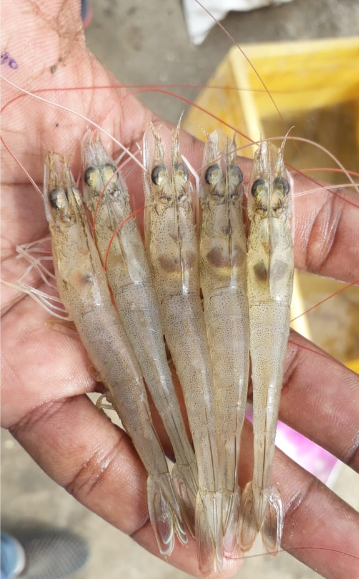
Clear and bright body color can indicate that the shrimp is in a healthy condition. Meanwhile, shrimp with shells that are dull, faded, or discolored can be an indication of a health problem.
3. Hard Body Texture
Healthy shrimp have a hard and dense body texture. There should be no mucus or body that is soft to the touch.
4. Have a Good Appetite
A good appetite for shrimp can also be an indicator of healthy shrimp. Healthy shrimp will eat regularly and eat the food that has been provided.
5. No Signs of Stress
The last characteristic of healthy shrimp is the absence of signs of stress, such as being lethargic, hiding at the bottom of the pond, and showing signs of aggression towards other shrimp.
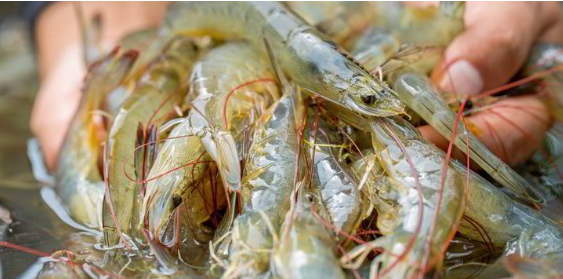
Characteristics of Diseased Shrimp
1. Lethargic or Weak
The first characteristic of diseased shrimp is that they appear lazy or weak. Usually, the shrimp will move slowly or even not move at all. Diseased shrimp will tend to stay on the bottom of the pond even when being fed.
2. Has Faded Color
Diseased shrimp have discolored or faded shells. In addition, several diseases such as myo disease and white spots can also trigger discoloration of the shrimp’s body.
3. Slimy or Mushy Texture
Diseased shrimp usually have slimy or mushy bodies. This slime usually covers the entire outside of the shrimp.
4. Decreased appetite
The following characteristic of diseased shrimp is a reduced appetite for shrimp. Sick shrimp tend to have no appetite and do not eat feed regularly, so there will be lots of leftover feed in the ponds.
5. Showing Signs of Stress
Signs of stress, such as staying at the bottom of the pond or showing aggressive behavior towards other shrimp, can also be a sign of diseased shrimp.
6. Abnormal Behavior
Their abnormal behavior, such as swimming upside down or circling, can identify Diseased shrimp.
Cre: DELOS Aqua


Ca Mau, Can Tho and An Giang Play a Leading Role in Vietnam’s Shrimp Industry
Protecting rice-shrimp yields against environmental fluctuations caused by prolonged rain
AQUA MINA Turbo Blower: Quiet, Energy-Efficient Air Supply for Aquaculture Ponds
AQUA MINA has accompanied the experimental tank system project at Can Tho University from its very early days
AQUA MINA AMONG 20 OUTSTANDING PRESENTATIONS AT THE WORKSHOP ON APPLYING SCIENCE AND TECHNOLOGY TO IMPROVE THE QUALITY OF VIETNAM’S AQUATIC PRODUCTS
Vietnam’s Shrimp Farming Industry Enters the High-Tech Race
The U.S. market relies heavily on imported shrimp to bridge its domestic supply gap
The 2028 supply crisis: The shrimp industry is projected to face a 400,000-ton material shortage
High profits from high-tech shrimp farming come with persistent risks
Intensifying El Niño Effect: Climate Change Risks Threaten the Global Shrimp Supply Chain
Evaluating Gaps in the Circular Economy Value Chain of the Shrimp Industry
A Comprehensive Overview of the Vietnamese Shrimp Industry








.jpg)