

When should you upgrade to the new-generation oxygen aeration system?
1. When should you upgrade to the new-generation oxygen aeration system?
-
Electricity costs are increasing.
-
Stocking density is getting higher.
-
Old equipment is deteriorating, reducing oxygen supply efficiency.
-
Therefore, many farms are starting to transition to new-generation oxygen aeration systems.
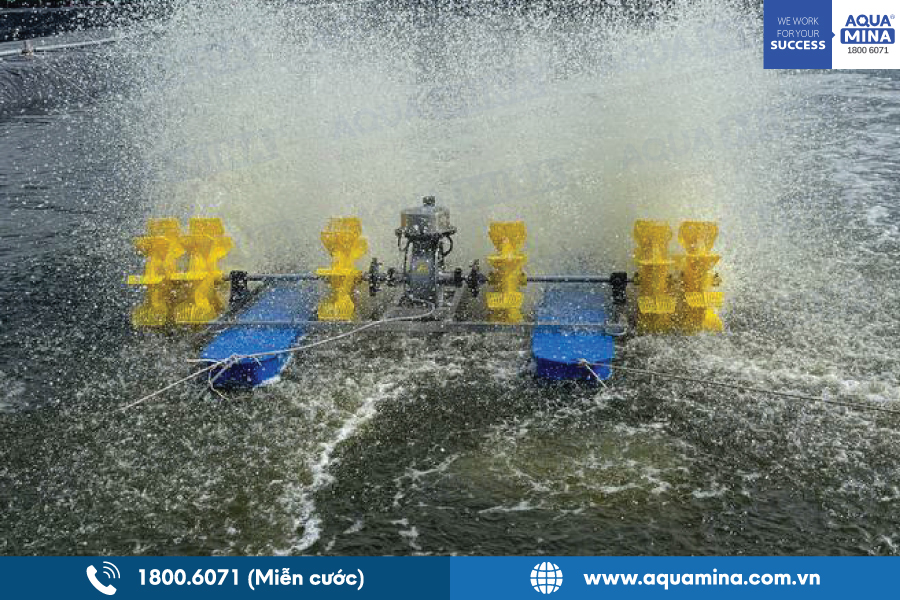
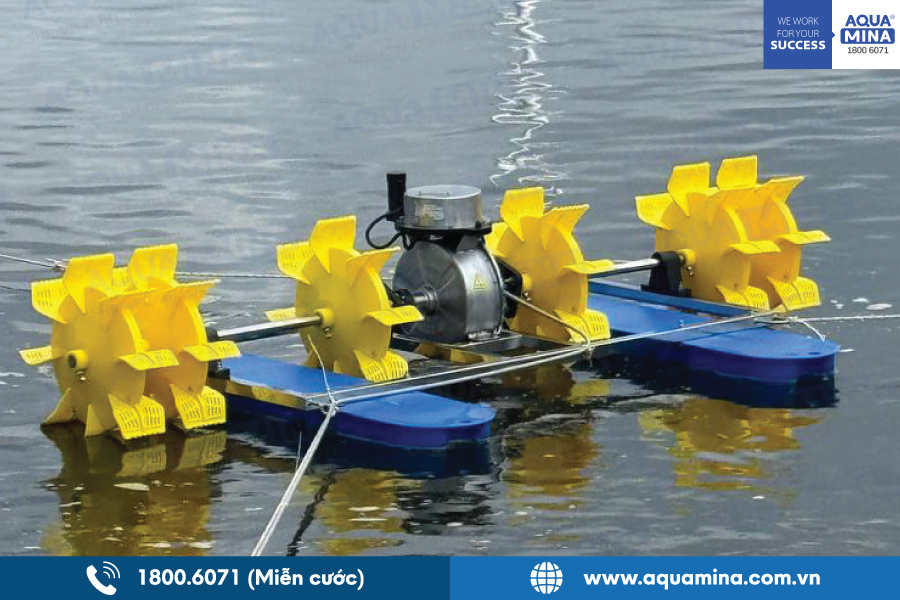
1. Increasingly high power consumption
-
Electricity bills increase with every culture cycle.
-
Motors operate heavily.
-
Efficiency drops.
-
This is the clearest sign that replacement is needed.
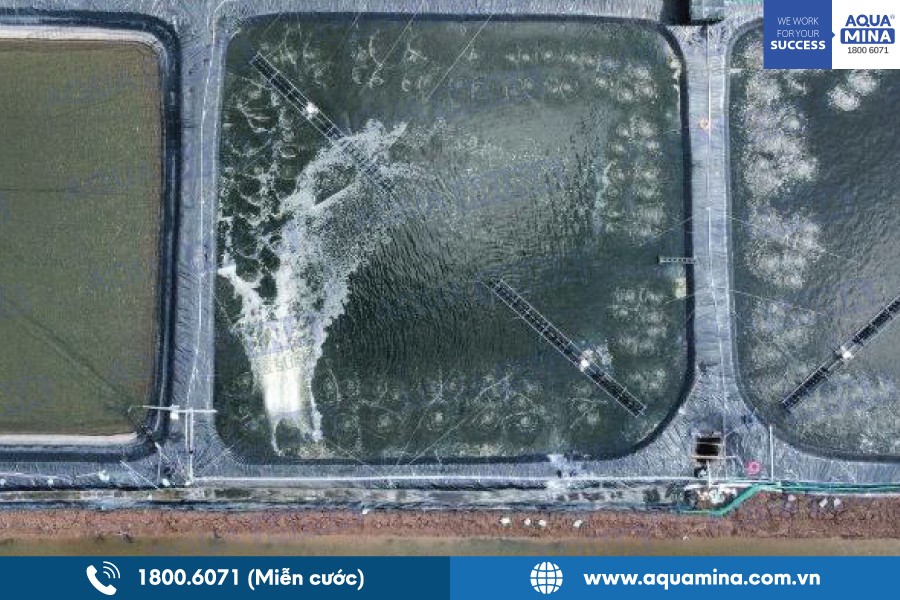
2. Dissolved oxygen is no longer stable
-
Shrimp surface at night.
-
DO drops rapidly.
-
Dead zones appear.
-
Analysis shows the cause is weak water currents.
3. Aeration systems frequently break down
-
Damaged bearings
-
Bent shafts
-
Broken blades
-
Continuous repair costs
-
Comparison: Repairing multiple times costs more than a new investment.
4. Wanting to increase stocking density
-
Intensive farming
-
Super-intensive farming
-
Biofloc
-
CPF
-
2–3 stages
-
These models require a higher oxygen supply capacity.
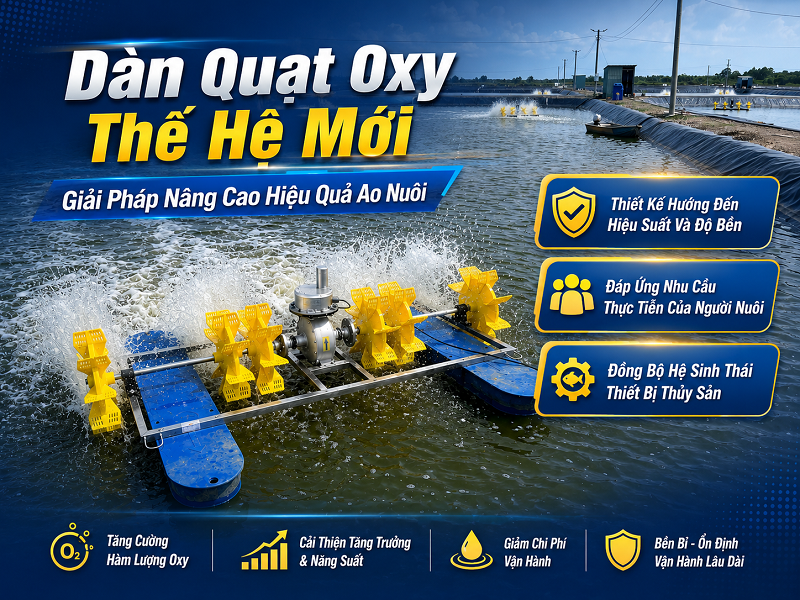
5. Wanting to reduce long-term operating costs
-
Analysis:
-
Reduced electricity
-
Reduced maintenance
-
Reduced repair time
-
Longer lifespan
-
6. What is different about the new-generation aeration system technology?
| Old Aeration System | New-Generation Aeration System |
| Average efficiency | High efficiency |
| High power consumption | Energy-saving |
| Easily wears out | Premium materials |
| Weak water current | Strong water current |
| High maintenance | Low maintenance |
7. Benefits of early investment
-
Being proactive for the new culture cycle.
-
Reducing the risk of oxygen shortage.
-
Increasing electricity usage efficiency.
-
Stable operation.
-
Enhancing economic efficiency.
Conclusion
If your current aeration system shows signs such as high power consumption, reduced efficiency, frequent breakdowns, or failure to meet stocking density requirements, this is the right time to upgrade to a New-Generation Oxygen Aeration System. An efficient oxygen supply system not only helps improve the pond environment but also contributes to reducing operating costs and increasing productivity in the long run.
AQUA MINA CO., LTD
WE WORK FOR THE SUCCESS


Ca Mau, Can Tho and An Giang Play a Leading Role in Vietnam’s Shrimp Industry
Protecting rice-shrimp yields against environmental fluctuations caused by prolonged rain
AQUA MINA Turbo Blower: Quiet, Energy-Efficient Air Supply for Aquaculture Ponds
AQUA MINA has accompanied the experimental tank system project at Can Tho University from its very early days
AQUA MINA AMONG 20 OUTSTANDING PRESENTATIONS AT THE WORKSHOP ON APPLYING SCIENCE AND TECHNOLOGY TO IMPROVE THE QUALITY OF VIETNAM’S AQUATIC PRODUCTS
Vietnam’s Shrimp Farming Industry Enters the High-Tech Race
The U.S. market relies heavily on imported shrimp to bridge its domestic supply gap
The 2028 supply crisis: The shrimp industry is projected to face a 400,000-ton material shortage
High profits from high-tech shrimp farming come with persistent risks
Intensifying El Niño Effect: Climate Change Risks Threaten the Global Shrimp Supply Chain
Evaluating Gaps in the Circular Economy Value Chain of the Shrimp Industry
A Comprehensive Overview of the Vietnamese Shrimp Industry


.jpg)