


Cost-Saving Solutions for Shrimp Farming: Reducing Production Costs and Preventing Diseases
As of now, the total brackish water shrimp farming area in Soc Trang province has reached 16,000 hectares, including 13,470 ha of whiteleg shrimp and 2,530 ha of black tiger shrimp. The estimated harvested output of brackish shrimp is 35,500 tons, with damaged shrimp area accounting for 1.8%. Raw shrimp prices have slightly increased: whiteleg shrimp sized 20–80 pieces/kg are priced higher than the same period last year, ranging from 24,000 to 32,000 VND/kg, while prices for other sizes remain unchanged.
To support farmers in improving efficiency, the Department of Agriculture and Environment has organized 20 training sessions on environmental protection in brackish shrimp farming areas; and conducted monitoring of salinity, alkalinity, and dissolved oxygen at 28 upstream locations across the province. These data were promptly shared with shrimp farmers to help them understand and better manage their farming conditions. In addition, training programs on cost-effective shrimp farming techniques and disease prevention have been implemented for shrimp farmers.
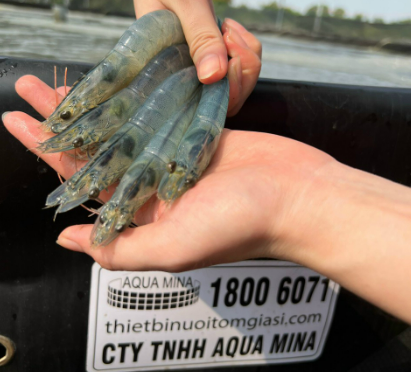
At the conference, Prof. Dr. Truong Quoc Phu presented several common diseases in brackish water shrimp, especially microsporidian infections and white feces syndrome (WFS). He provided guidance on disease identification and recommended best practices for disease prevention and treatment in shrimp farming.
Participants raised questions to the speaker regarding topics such as: the phenomenon of gradual shrimp mortality at 10–15 days of age, effective prevention of white feces syndrome, optimal weather conditions for stocking shrimp, techniques for cost-efficient and fast-growing shrimp farming, and early signs of microsporidian disease. After hearing the questions, the experts provided comprehensive answers and practical guidance.
Mr. Do Van Thua, Deputy Director of the Soc Trang Sub-Department of Fisheries, shared that to ensure high productivity, quality, and success in shrimp farming seasons, the department will strengthen shrimp farming management following the seasonal calendar, and implement environmental monitoring in farming areas to deliver timely technical advice and solutions. Ongoing training will be provided on environmental protection practices in major shrimp farming zones. The department will also scale up effective shrimp farming models that adapt to climate change, and enhance inspection of seed production facilities and aquaculture input suppliers to ensure compliance and support for sustainable farming.
Source: nguoinuoitom.vn
Aqua Mina's distributor in Japan: REX INDUSTRIES CO., LTD
- Address: 1-9-3 Hishiya-Higashi, Higashi-Osaka 578-0948 JAPAN
- Email: kimakubo@rexind.co.jp
- Phone: +81-(0)72-961-9893
- Website: http://www.rexind.co.jp/e/
WE WORK FOR YOUR SUCCESS!
Ngày đăng : 04/07/2025
2153 View


Other Articles
AQUA MINA | CELEBRATING THE 67TH ANNIVERSARY OF VIETNAM’S TRADITIONAL FISHERIES DAY
Restructuring seed production to enhance the competitiveness of the aquaculture industry
AQUA MINA COMMITS TO NO PRICE INCREASE – 15% OFF PVC Knife Gate Valves, Double Flanges, and Elbow Flanges TO SUPPORT SHRIMP AND FISH FARMERS
Global shrimp prices – Week 12: Ecuador shrimp prices recover, while India and Indonesia remain stable
The global surimi market is projected to grow strongly.
Cà Mau: Expanding the RAS-IMTA model toward sustainable, zero-discharge shrimp farming.
From seed stock to farming equipment, high-tech aquaculture attracts strong interest in Ho Chi Minh City
Shrimp industry enterprises proactively adapt to global fluctuations
DAY 3 – AQUA MINA | STRONG CONNECTIONS – A MEMORABLE CLOSING AT VIETSHRIMP AISA 2026
DAY 2 – AQUA MINA | DEEP INSIGHTS & SMART SOLUTIONS FOR MODERN AQUACULTURE
DAY 1 – AQUA MINA | A POWERFUL OPENING AT VIETSHRIMP ASIA 2026
OFFICIAL OPENING of the International-Scale Aquaculture Exhibition Series | See You Again with AQUA MINA at VietShrimp Asia 2026


.jpg)