


Ca Mau Issues Warning on Shrimp Diseases
As the peak of the dry season begins, weather conditions in Ca Mau become increasingly harsh, with prolonged heat, rising temperatures and salinity, and significant fluctuations in the aquatic environment. These factors heighten the risk of disease outbreaks in farmed shrimp, particularly whiteleg shrimp (Litopenaeus vannamei).
In Gia Rai Ward, many shrimp farmers are facing difficulties. According to Mr. Le Van Danh, an extensive shrimp farmer in Hamlet 23, his family operates more than one hectare of whiteleg shrimp ponds. However, after about two months of stocking, prolonged heat caused the shrimp to suffer shock when water was supplied to the ponds, resulting in surface swimming and scattered mortality. As a result, he was forced to harvest early when the shrimp reached a size of only 80–90 individuals per kilogram.
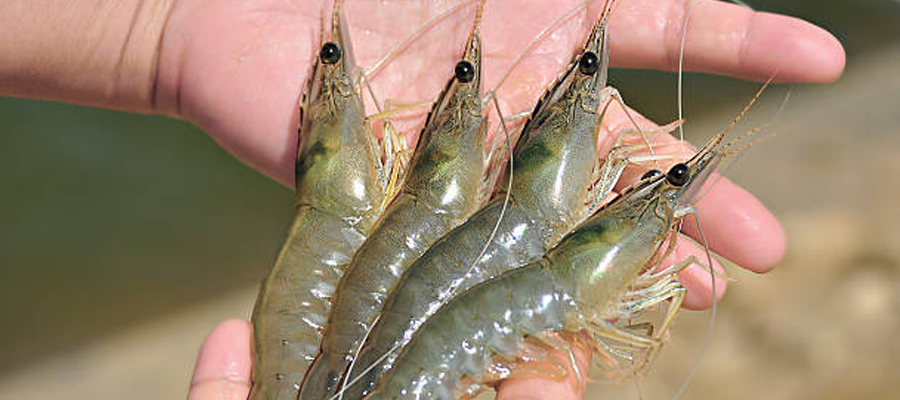
Selling undersized shrimp has led to a sharp drop in prices, to only about VND 85,000 per kilogram, while production has declined due to losses. After the farming season, his family recovered only part of their initial investment. This is not an isolated case; many neighboring farmers are facing similar situations, with slow shrimp growth and increased susceptibility to environmental shock, forcing early harvests to minimize financial losses.
From mid-March to early April, temperatures in Ca Mau Province reached 37–38°C, causing damage to large shrimp farming areas. Shrimp mortality ranged from scattered to mass die-offs due to thermal shock, red body disease, white spot disease, and Acute Hepatopancreatic Necrosis Disease (AHPND). According to industry experts, under such extreme heat conditions, water parameters—including temperature, salinity, and pH—fluctuate significantly. This is the main cause of weakened shrimp, reduced immunity, and increased susceptibility to disease.
To mitigate risks, authorities recommend that farmers proactively implement effective pond management practices. Maintaining a minimum water depth of approximately 1.5 meters is essential to reduce temperature impacts and stabilize the culture environment.
Additionally, farmers should promote natural water coloration to limit direct sunlight from reaching the pond bottom, while increasing aeration or supplementing oxygen to prevent water stratification—one of the main causes of shrimp surfacing in the early morning or late afternoon. The proper application of lime also helps improve water quality, stabilize pH, enhance alkalinity, and effectively treat acid sulfate conditions.
At the same time, probiotics and hepatopancreatic support products should be supplemented to enhance shrimp immunity, enabling them to better adapt to adverse weather fluctuations.
Source: thuysanvietnam
AQUA MINA CO., LTD
– Address: 685 Le Duc Anh Street, Quarter 39, Binh Hung Hoa Ward, Ho Chi Minh City
– Phone: 1800 6071 (Toll-free hotline)
– Email: sales@aquamina.com.vn or oversea@aquamina.com.vn
– Aqua Mina’s Official Distributor in Japan: REX INDUSTRIES CO., LTD
– Address: 1-9-3 Hishiya-Higashi, Higashi-Osaka 578-0948, JAPAN
– Email: kimakubo@rexind.co.jp
– Phone: +81-(0)72-961-9893
– Website: www.rexind.co.jp/e/

WE WORK FOR THE SUCCESS
Ngày đăng : 09/04/2026
1013 View


Other Articles
Improving growth and feeding behavior of farmed whiteleg shrimp
Đồng Tháp: Canal bank erosion causes over 5 billion VND in property damage to residents
Indonesia accelerates the expansion of its global seafood market share
Secrets to Enhancing the Durability of TURBO AQUA MINA Aquaculture Air Blowers
Vietnam’s shrimp exports to the UK: Growth potential in a highly competitive market
Shrimp prices drop sharply, farmers worry about unprofitable farming
AQUA MINA | CELEBRATING THE 67TH ANNIVERSARY OF VIETNAM’S TRADITIONAL FISHERIES DAY
Restructuring seed production to enhance the competitiveness of the aquaculture industry
AQUA MINA COMMITS TO NO PRICE INCREASE – 15% OFF PVC Knife Gate Valves, Double Flanges, and Elbow Flanges TO SUPPORT SHRIMP AND FISH FARMERS
Global shrimp prices – Week 12: Ecuador shrimp prices recover, while India and Indonesia remain stable
The global surimi market is projected to grow strongly.
Cà Mau: Expanding the RAS-IMTA model toward sustainable, zero-discharge shrimp farming.




.jpg)