



5 Types of Lobsters in Vietnam You Need to Know About
Below, Aqua Mina would like to share the five most popular types of lobsters in the Vietnamese market today:
1. VIETNAMESE SPINY LOBSTER (PANULIRUS ORNATUS)
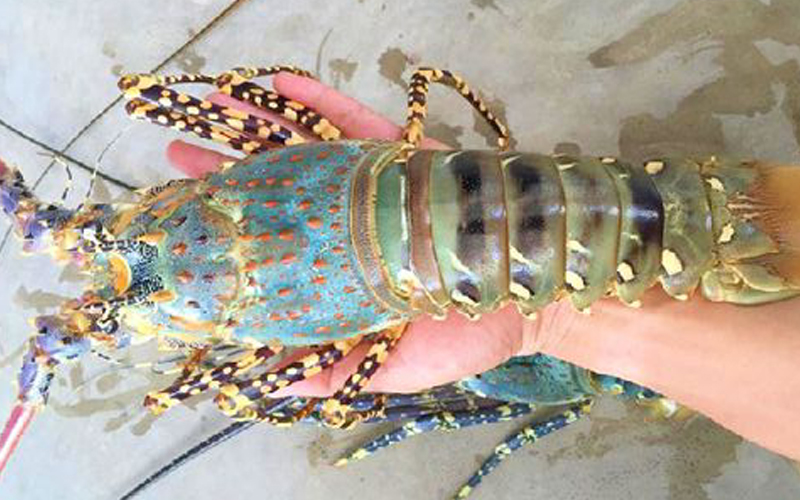
The Vietnamese Spiny Lobster, also known as the Starry Lobster, is mainly found in the South Central Coast of Vietnam, particularly in the seas of Nha Trang, Ninh Thuan, and Binh Thuan.
This lobster species can be identified by its shell, which has a color similar to the ocean mixed with shades of green, and a black stripe with white spots on the back.
The size and weight of the Spiny Lobster typically range from 30-35cm, with a weight of 1.3-2kg. Larger ones can reach 45-50cm in size and weigh 4-5kg.
Nutritionally, Spiny Lobsters are rich in protein, vitamins, and calcium, which are beneficial for the body, helping to prevent high blood pressure, heart disease, and enhancing male vitality. Omega-3 fatty acids in lobsters help reduce the risk of cardiovascular diseases.
Notably, lobsters are also an effective source of vitamin B12 (Cobalamin) for the body. This complex vitamin is involved in biochemical and energy metabolism processes in the human body and plays an important role in the synthesis of nucleotides and proteins. A deficiency in vitamin B12 can lead to fatigue, dizziness, muscle weakness, and in severe cases, nerve damage, anemia, and memory loss.
Due to its high nutritional value, Spiny Lobsters are quite expensive, ranging from 2,300,000 to 2,500,000 VND per kilogram.
2. BAMBOO LOBSTER (PALINURIDAE)
If the Spiny Lobster is the king of lobsters, the Bamboo Lobster is the “queen,” with a size, weight, and nutritional value that is almost comparable.
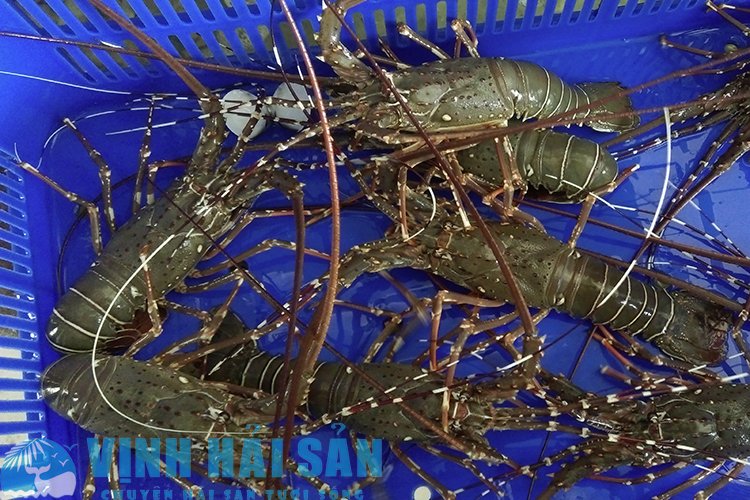
This type of Lobsters have a bluish-green color similar to a bantam chicken. The size and weight of a single Bamboo Lobster range from 0.5-1.3kg.
Their nutritional value is similar to that of the Spiny Lobster. They are rich in calcium and minerals, as well as fatty acids, vitamin B12, and Omega 3, which help men maintain peak vitality.
The price of this Lobsters is quite attractive, ranging from 850,000 to 1,300,000 VND per kilogram, making it a great choice for those who enjoy delicious and nutritious dishes.
3. CANADIAN LOBSTER (ALASKA LOBSTER)
Canadian Lobsters are imported from Canada into Vietnam, primarily caught from the Alaskan seas in Canada. The main reason for the presence of this lobster in Vietnam is its lower price compared to Vietnamese lobsters, with prices ranging from 900,000 to 1,200,000 VND per kilogram.
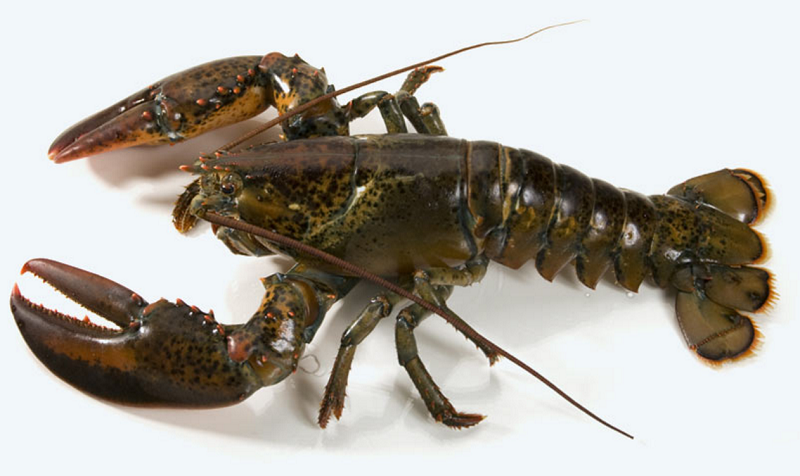
Canadian Lobsters are larger in size and weight than Vietnamese lobsters, and the quality is not significantly different from Vietnamese lobsters. This offers a great opportunity for you to enjoy high-quality lobsters at a lower price.
4. BABY LOBSTER (PANULIRUS ORNATUS/ PANULIRUS HOMARUS)
This type of lobster is smaller in size compared to others, with about 2-7 lobsters per kilogram. However, Baby Lobsters have firmer and more flavorful meat.
Due to their smaller size, they are priced between 450,000 and 900,000 VND per kilogram.
5. LOTUS LOBSTER (PANULIRUS HOMARUS LINNAEUS)
Also known as Green Lobsters, have a green shell with a darker green back and white-edged stripes.
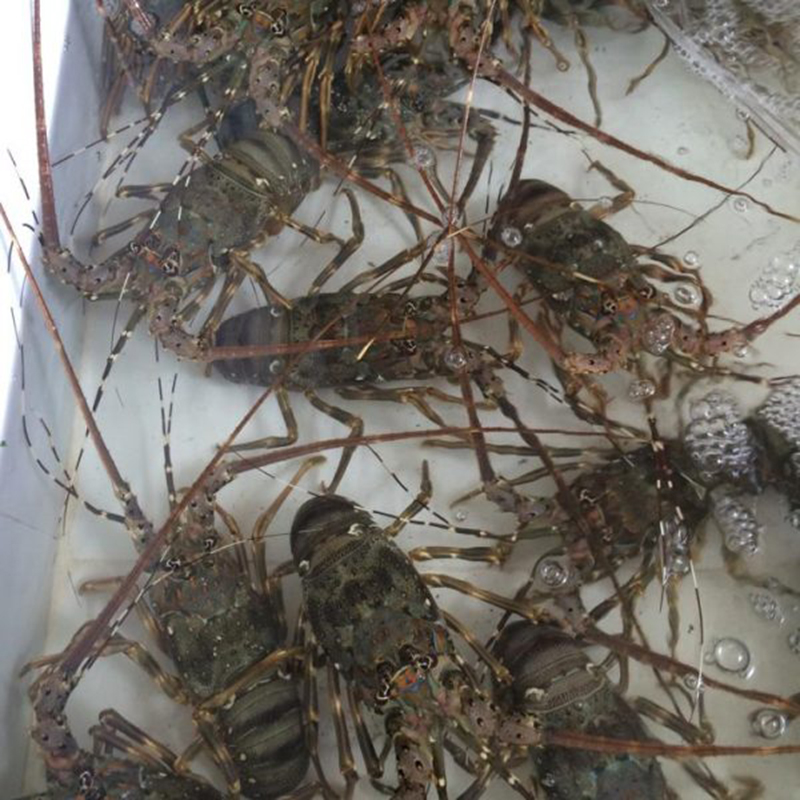
Their size is also small, similar to Baby Lobsters, but the meat quality is not as good as Baby Lobsters. The market price ranges from 300,000 to 700,000 VND per kilogram.
Additional Information on Lobster Farming
Ngày đăng : 03/09/2024
6342 View


Other Articles
Intensifying El Niño Effect: Climate Change Risks Threaten the Global Shrimp Supply Chain
Evaluating Gaps in the Circular Economy Value Chain of the Shrimp Industry
A Comprehensive Overview of the Vietnamese Shrimp Industry
CA MAU ACCELERATES MARINE AQUACULTURE DEVELOPMENT FROM 2026 TO 2030, WITH A VISION TO 2045
VIETNAM’S SHRIMP INDUSTRY: FROM RECORD EXPORTS TO THE RACE FOR EFFICIENCY AND VALUE
Why Did a Customer Travel from Vinh Long to Ho Chi Minh City to Buy AQUA MINA PVC Knife Gate Valve
Green & Digital Transformation: A New Eco-Cycle for Shrimp-Rice Farming
High-Tech Shrimp Farming: A Double-Edged Sword
Why are PVC knife gate valves preferred for bottom drain pipes in shrimp and fish ponds?
EU’s New Packaging Life Cycle Regulations: What Should Seafood Businesses Prepare For?
Wild Shrimp Harvesting Faces Challenges in Supply and Sustainability
Minh Phú Invests in Production Expansion and Accelerates Automation in the Shrimp Industry



.jpg)