


The Threats of Nitrite in Shrimp Ponds and How to Overcome It
Vannamei shrimp has long been a species of shrimp cultivated in Indonesia. This is because this type of shrimp is a food that is very popular with people around the world, so its export value continues to increase from year to year.
However, the intensive cultivation of vannamei shrimp can cause various impacts on the environment, one of which is the threat of nitrites. So, how to overcome it? Read more in this article!
What is Nitrite in Shrimp Ponds?
Nitrite in shrimp ponds is a toxic substance produced from nitrogen which is only partially oxidized. This substance is not found in fresh wastewater but in wastewater that has long been settling and accumulating.
High nitrite levels can result from overfeeding of shrimp, excessive sediment density, poor water circulation, and other factors that upset the balance of the nitrogen cycle.
Nitrite is very toxic to vannamei shrimp. Its presence can cause various adverse effects, including stunted growth and development of shrimp or even death.
Nitrite is not fixed and can turn into ammonia or be oxidized to nitrate at any time. When compared with nitrate, the presence of nitrite in the waters is less. However, the level of toxicity for vannamei shrimp is very high.
The danger of nitrite toxicity in vannamei shrimp ponds is especially evident in the early stages of the cultivation cycle. During this initial stage, nitrite levels can rise rapidly and reach dangerously toxic levels.
The presence of oxygen in shrimp ponds affects the presence of nitrites in shrimp ponds. In general, waters that get an adequate supply of oxygen have lower levels of nitrite concentration when compared to waters that do not get an oxygen supply.
How to Overcome Nitrite Threats in Shrimp Ponds
Even though it has a high level of toxicity, it does not mean that the nitrite threat cannot be overcome. One of the most important steps must be taken is monitoring water quality regularly and keeping other parameters optimal.
This can be done by adjusting the feeding, increasing oxygen circulation, and adjusting the stocking density of vannamei shrimp to prevent overcrowding.
How to deal with the threat of nitrite in shrimp ponds can also be done by adding nitrite-reducing bacteria into the pond. These bacteria can consume nitrites and convert them into less harmful substances, such as nitrogen gas.
Not only that, the presence of bacteria known as Nitrobacter can also help improve water quality along with reduced nitrite levels, making it safe for the growth of cultivated vannamei shrimp.
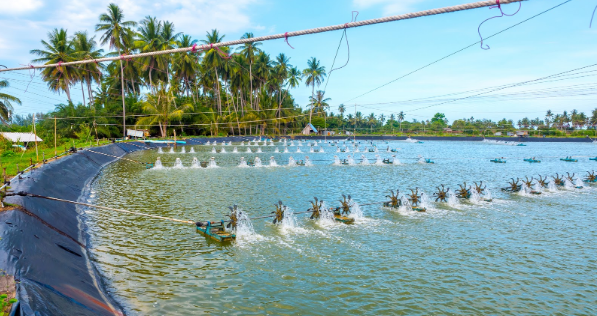
In addition, it is also essential to keep the pond well-aerated, especially in the early stages of the culture cycle. Adequate aeration helps ensure dissolved oxygen levels remain high, reducing the risk of nitrite toxicity and other water quality problems.
Cre: DELOS Aqua


CA MAU ACCELERATES MARINE AQUACULTURE DEVELOPMENT FROM 2026 TO 2030, WITH A VISION TO 2045
VIETNAM’S SHRIMP INDUSTRY: FROM RECORD EXPORTS TO THE RACE FOR EFFICIENCY AND VALUE
Why Did a Customer Travel from Vinh Long to Ho Chi Minh City to Buy AQUA MINA PVC Knife Gate Valve
Green & Digital Transformation: A New Eco-Cycle for Shrimp-Rice Farming
High-Tech Shrimp Farming: A Double-Edged Sword
Why are PVC knife gate valves preferred for bottom drain pipes in shrimp and fish ponds?
EU’s New Packaging Life Cycle Regulations: What Should Seafood Businesses Prepare For?
Wild Shrimp Harvesting Faces Challenges in Supply and Sustainability
Minh Phú Invests in Production Expansion and Accelerates Automation in the Shrimp Industry
The U.S. Shrimp Market Recovers and Moves Toward Stability
What needs to be checked on a knife gate valve before it reaches the customer?
Mastering RAS technology: The answer to green aquaculture


.jpg)