


Workshop talks sustainable shrimp industry
Bac Lieu (VNA) – Experts proposed solutions and technologies to reduce emissions in shrimp farming and processing at a workshop in the Mekong Delta province of Bac Lieu on October 26.
The event was jointly held by the UN Development Programme (UNDP) Vietnam, the Ministry of Agriculture and Rural Development (MARD) and the provincial Department of Agriculture and Rural Development.
It formed part of the “Accelerating private sector engagement in climate-resilient and low-emission investment opportunities in Vietnam’s nationally determined contribution (NDC)” project rolled out by the MARD and the UNDP in the south-central province of Binh Thuan and Bac Lieu since 2021.
The workshop is expected to boost the connectivity between shrimp farmers and cooperatives, businesses, processing facilities, and management agencies towards the low-carbon, sustainable, and climate-resilient production.
Nguyen Do Anh Tuan, Director of the MARD's International Cooperation Department, said the ministry is completing procedures to join the Emirates Declaration on Resilient Food Systems, Sustainable Agriculture, and Climate Action, expected to be approved at the 28th UN Climate Change Conference of Parties (COP28) in December 2023.
Nguyen Trung Hieu, Deputy Director of the Bac Lieu Department of Agriculture and Rural Development, briefed the participants on the province’s agricultural policies towards reducing greenhouse gas emission, developing renewable energy development.
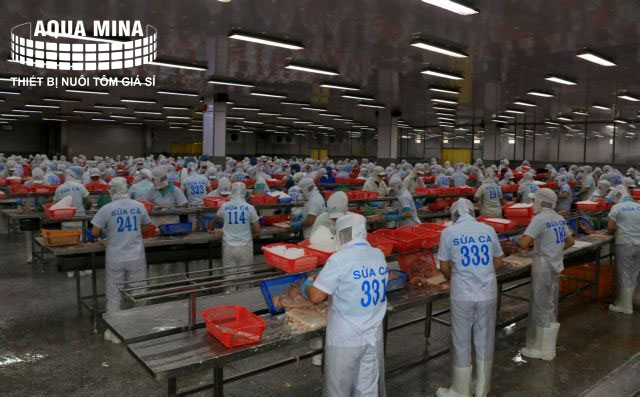
The participating experts presented initial results of the building and implementation of shrimp chain management software under the project in Bac Lieu. They also looked into orientations for shrimp export and domestic consumption in the time ahead.
Deputy Resident Representative of UNDP Vietnam Patrick Haveman stressed that the Mekong Delta boasts substantial potential to restructure shrimp production and supply chains with high values.
He suggested the MARD put forth mechanisms to encourage small and medium-sized farms to strengthen cooperation to produce organic, ecological shrimp products in the Mekong Delta, saying local authorities should also help them in origin and carbon footprint traceability for those products, thus expanding stable supply of high-quality shrimp for upscale supply chains for both domestic and foreign markets.
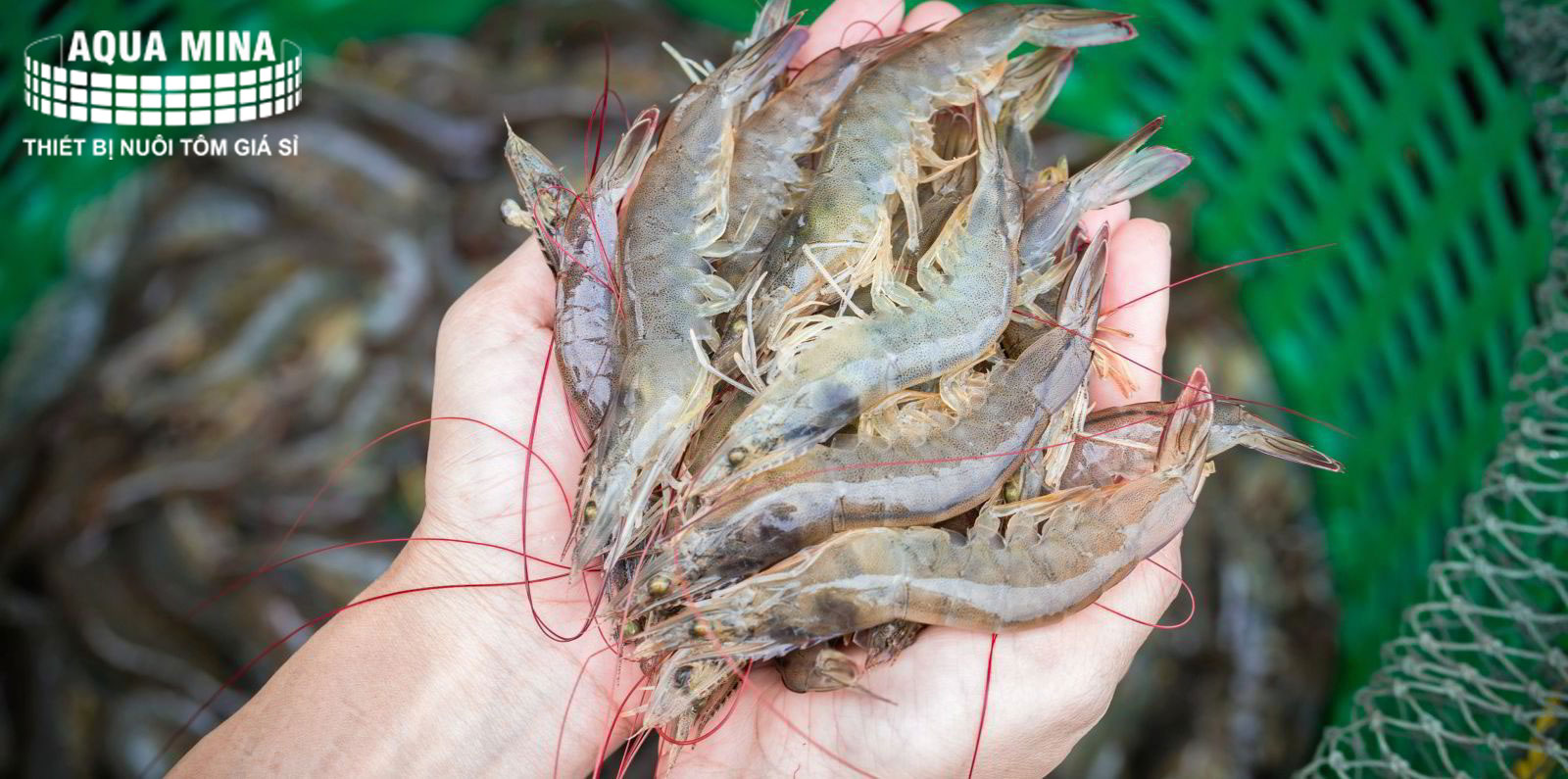
According to the national action plan on Vietnam's shrimp industry development, the total brackish water shrimp farming area is expected to reach 750,000 hectares by 2025, and the farmed shrimp output is set at over 1 million tonnes.
The sector aims to earn 10 billion USD from exports by that time as compared with 4.3 billion USD last year.
Cre: Vietnamplus
Ngày đăng : 15/02/2024
1405 View


Other Articles
AQUA MINA | CELEBRATING THE 67TH ANNIVERSARY OF VIETNAM’S TRADITIONAL FISHERIES DAY
Restructuring seed production to enhance the competitiveness of the aquaculture industry
AQUA MINA COMMITS TO NO PRICE INCREASE – 15% OFF PVC Knife Gate Valves, Double Flanges, and Elbow Flanges TO SUPPORT SHRIMP AND FISH FARMERS
Global shrimp prices – Week 12: Ecuador shrimp prices recover, while India and Indonesia remain stable
The global surimi market is projected to grow strongly.
Cà Mau: Expanding the RAS-IMTA model toward sustainable, zero-discharge shrimp farming.
From seed stock to farming equipment, high-tech aquaculture attracts strong interest in Ho Chi Minh City
Shrimp industry enterprises proactively adapt to global fluctuations
DAY 3 – AQUA MINA | STRONG CONNECTIONS – A MEMORABLE CLOSING AT VIETSHRIMP AISA 2026
DAY 2 – AQUA MINA | DEEP INSIGHTS & SMART SOLUTIONS FOR MODERN AQUACULTURE
DAY 1 – AQUA MINA | A POWERFUL OPENING AT VIETSHRIMP ASIA 2026
OFFICIAL OPENING of the International-Scale Aquaculture Exhibition Series | See You Again with AQUA MINA at VietShrimp Asia 2026



.jpg)