


Notes on Shrimp Farming during the Seasonal Transition in 2023
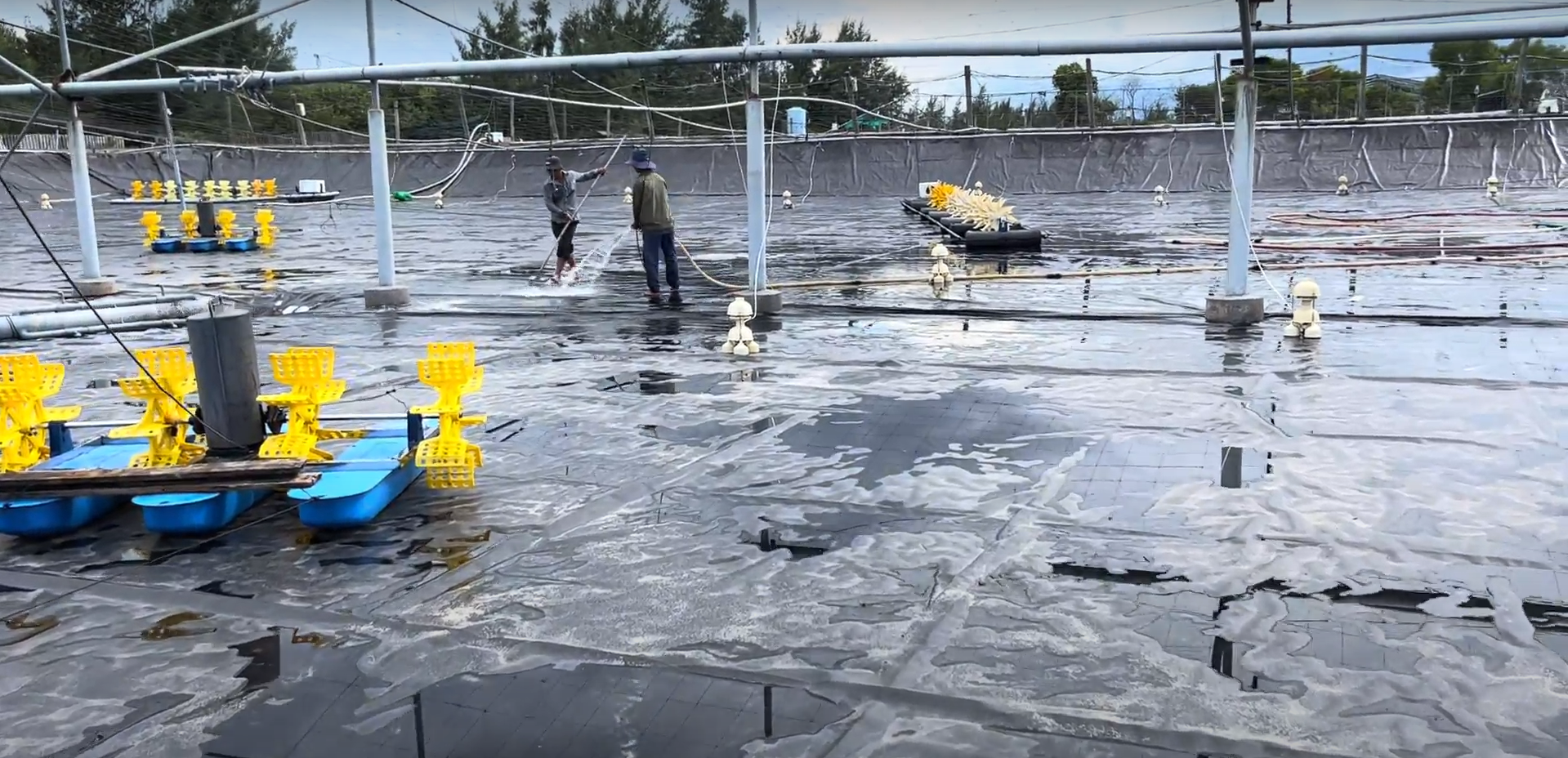
Shrimp farmer maintaining pond bottom hygiene.
Currently entering the transitional season, the prolonged periods of intense sunlight or heavy rain can result in significant temperature fluctuations between day and night, directly affecting the farmed shrimp. If environmental factors undergo sudden changes beyond permissible limits, the shrimp may become weakened, stressed, and could potentially die in large numbers. Specifically, farmers need to regularly check the pH levels in the pond; if the pH is not within the appropriate range, the application of CaCO3 lime is necessary at a rate of 15-20 kg/100m2.
During the rainy season, the water layer on the surface, and the temperature difference between day and night, can reach up to 5°C, posing a high risk of shock to farmed shrimp. Therefore, it is crucial to ensure the appropriate depth for the cultivation field, with a minimum water level of 50cm on the field's surface. When the air and water temperatures rise, the dissolved oxygen level in the water decreases, leading to increased oxygen consumption by aquatic species in the pond, resulting in oxygen depletion. Hence, maintaining an appropriate oxygen level for the shrimp's development is vital. Simultaneously, farmers should have emergency oxygen tablets in reserve for situations of urgent oxygen deficiency.
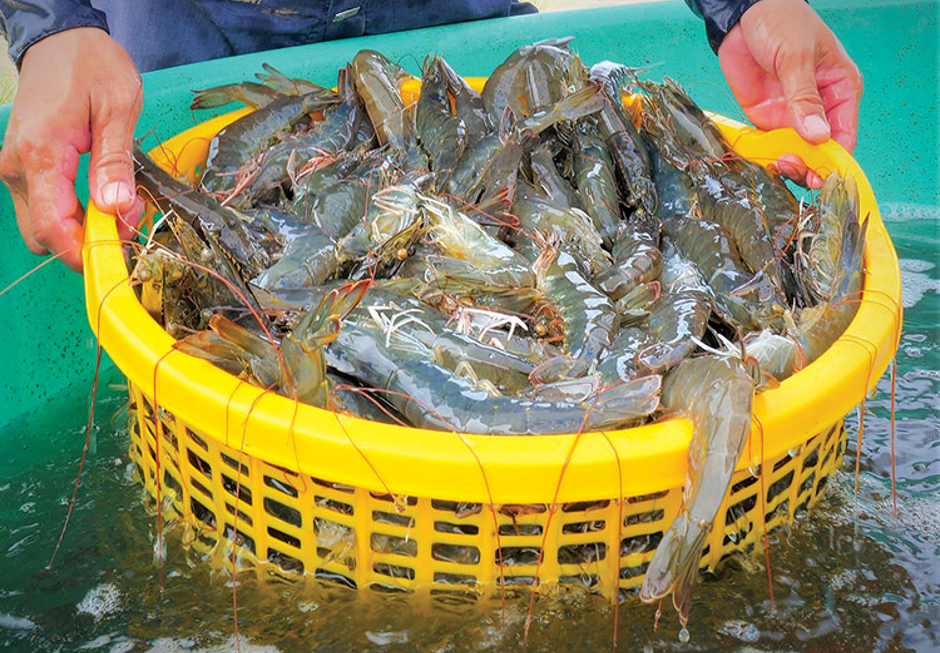
Farmers need to adhere to the correct seasonal schedule
Furthermore, to achieve effective seasonal shrimp farming, farmers need to adhere to the correct seasonal schedule. They should adapt and design shrimp cultivation fields to accommodate climate change, drought, and salinity intrusion. Farms with large cultivation areas should consider adding nursery ponds and sedimentation ponds. During the farming process, strict measures for comprehensive disease prevention should be applied. In case of disease outbreaks, immediate notification to relevant authorities is essential for prompt intervention to prevent widespread dissemination. Farmers should pay increased attention to production methods, especially in the design and reinforcement of pond embankments to ensure water retention and effective pond improvement.
Source: Bac Lieu Newspaper


Direct:
Can Tho invests 10B VND in aquaculture water quality monitoring
Wild Shrimp: Supply Depletion and the Sustainability Challenge
PVC Knife Gate Valve Leaking Water and Not Closing Tightly: Causes and Detailed Solutions
5 common mistakes when choosing knife valves for piping systems
What makes the Aqua Mina PVC knife valve different? 5 key advantages
Where are PVC knife gate valves used in aquaculture water supply and drainage systems?
2026 Shrimp Farm Design Trends: From Traditional Ponds to Recirculating Aquaculture Systems
Shrimp Farming Financial Management: How to Ensure Your Harvest Is Profitable?
How Much Does a PVC Knife Gate Valve Cost? Factors Determining Valve Prices
Where to Buy Reliable PVC Knife Gate Valves? 6 Criteria for Choosing a Supplier
PVC Ball Valve Ø140, Ø160, Ø168: Which size should you choose?


.jpg)