


Using Phyllanthus Niruri in Shrimp Farming
As you may know, hepatopancreatic atrophy in shrimp is a disease that currently has no specific treatment, and it can only be prevented. This disease is quite common, and farmers should consider using Phyllanthus Niruri to help prevent it.
Phyllanthus Niruri, also known as stonebreaker or chanca piedra, is used to prevent diseases in shrimp farming.
Benefits of Using Phyllanthus Niruri in Shrimp Farming:
- Supports the treatment of hepatitis and prevents liver diseases.
- Enhances the immune system.
- Helps detoxify the body.
- Supports the treatment of gastrointestinal diseases.
- Assists in the treatment of respiratory diseases.
Phyllanthus Niruri, commonly called stonebreaker, contains potent medicinal properties and is rich in active compounds that are beneficial for treating diseases in both humans and animals, including in aquaculture.
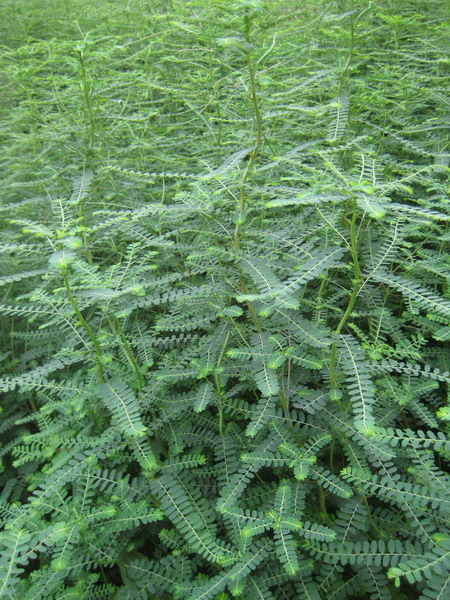
How to Use Phyllanthus Niruri in Shrimp Farming:
To prevent hepatopancreatic atrophy and white spot disease in shrimp, and to enhance shrimp resistance, follow these steps:
- Collect Phyllanthus Niruri, boil it to concentrate the solution, and mix the concentrated liquid with shrimp feed.
- Since Phyllanthus Niruri has a bitter taste, initially use a small amount to allow shrimp to get accustomed to it. Start with about 5 grams per kilogram of feed.
- Gradually increase to 8 grams per kilogram of feed daily. You won’t need to rely on antibiotics or medicines that cause side effects or negatively affect the product’s quality for consumers, ensuring the shrimp remain 100% clean.
This is the advice from Ao Uong Di Dong. If you find this information helpful, please share it so that more people can achieve high yields in shrimp farming and enjoy successful harvests.
Ngày đăng : 26/10/2024
1923 View


Other Articles
AQUA MINA | CELEBRATING THE 67TH ANNIVERSARY OF VIETNAM’S TRADITIONAL FISHERIES DAY
Restructuring seed production to enhance the competitiveness of the aquaculture industry
AQUA MINA COMMITS TO NO PRICE INCREASE – 15% OFF PVC Knife Gate Valves, Double Flanges, and Elbow Flanges TO SUPPORT SHRIMP AND FISH FARMERS
Global shrimp prices – Week 12: Ecuador shrimp prices recover, while India and Indonesia remain stable
The global surimi market is projected to grow strongly.
Cà Mau: Expanding the RAS-IMTA model toward sustainable, zero-discharge shrimp farming.
From seed stock to farming equipment, high-tech aquaculture attracts strong interest in Ho Chi Minh City
Shrimp industry enterprises proactively adapt to global fluctuations
DAY 3 – AQUA MINA | STRONG CONNECTIONS – A MEMORABLE CLOSING AT VIETSHRIMP AISA 2026
DAY 2 – AQUA MINA | DEEP INSIGHTS & SMART SOLUTIONS FOR MODERN AQUACULTURE
DAY 1 – AQUA MINA | A POWERFUL OPENING AT VIETSHRIMP ASIA 2026
OFFICIAL OPENING of the International-Scale Aquaculture Exhibition Series | See You Again with AQUA MINA at VietShrimp Asia 2026


.jpg)