


Factors Affecting Shrimp Survival Rate
These complex factors often pose challenges for farmers in achieving maximum cultivation results. So, what are these factors?
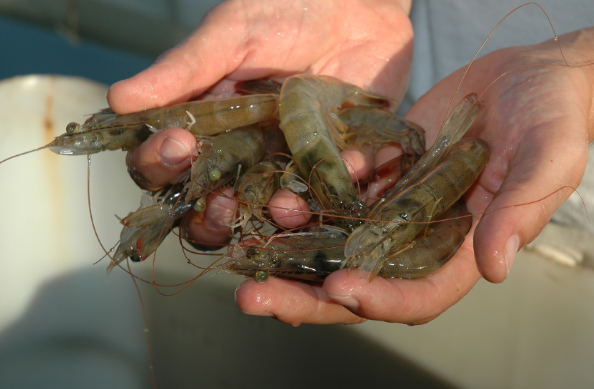
Factors Affecting Shrimp Survival Rate
1. Pond Water Quality
Good water quality is the primary foundation for ensuring shrimp survival rates. Parameters like temperature, salinity, dissolved oxygen, and pH play vital roles. Significant fluctuations in these parameters can cause stress in shrimp, increase susceptibility to diseases, and ultimately reduce survival rates.
Managing water quality requires careful monitoring and appropriate adjustments to maintain an optimal environment for shrimp growth.
2. Feed Quality
High-quality feed is key to optimal shrimp growth. Imbalanced nutrition or contaminated feed can harm shrimp’s health and reduce their survival rates. Strict supervision of feed type, quality, and frequency is crucial to maintaining shrimp health.
3. Effective Pond Environmental Management
Effective environmental management involves controlling natural shrimp predators and regulating population density in ponds. Excessive population density can increase competition, stress, and the risk of disease transmission among shrimp. Proper placement of protective structures and the right cultivation patterns are essential factors in successful environmental management.
4. Maintaining Shrimp Health
Shrimp health is another key factor affecting survival rates. Diseases, pathogen infections, or other health disorders can significantly impact shrimp survival.
Good biosecurity practices, routine health checks, and disease prevention measures greatly contribute to maintaining shrimp health.
5. Influence of Weather Conditions
Extreme and unexpected weather conditions have a significant impact on shrimp cultivation. Rapid temperature changes, storms, and high rainfall can affect pond water quality, which in the longer term can trigger shrimp diseases.
Cre: DELOS Aqua
Ngày đăng : 29/01/2024
1631 View


Other Articles
AQUA MINA | CELEBRATING THE 67TH ANNIVERSARY OF VIETNAM’S TRADITIONAL FISHERIES DAY
Restructuring seed production to enhance the competitiveness of the aquaculture industry
AQUA MINA COMMITS TO NO PRICE INCREASE – 15% OFF PVC Knife Gate Valves, Double Flanges, and Elbow Flanges TO SUPPORT SHRIMP AND FISH FARMERS
Global shrimp prices – Week 12: Ecuador shrimp prices recover, while India and Indonesia remain stable
The global surimi market is projected to grow strongly.
Cà Mau: Expanding the RAS-IMTA model toward sustainable, zero-discharge shrimp farming.
From seed stock to farming equipment, high-tech aquaculture attracts strong interest in Ho Chi Minh City
Shrimp industry enterprises proactively adapt to global fluctuations
DAY 3 – AQUA MINA | STRONG CONNECTIONS – A MEMORABLE CLOSING AT VIETSHRIMP AISA 2026
DAY 2 – AQUA MINA | DEEP INSIGHTS & SMART SOLUTIONS FOR MODERN AQUACULTURE
DAY 1 – AQUA MINA | A POWERFUL OPENING AT VIETSHRIMP ASIA 2026
OFFICIAL OPENING of the International-Scale Aquaculture Exhibition Series | See You Again with AQUA MINA at VietShrimp Asia 2026


.jpg)