

5 Things You Need to Do When Starting a Shrimp Farm Business
Along with the increasing demand for shrimp in the global market, many people are starting to get interested in this world. What’s more, the shrimp farming business has very lucrative results.
However, before starting this business, some things need to be considered, so your business does not lose money. Let’s see what these things are.
1. Choose The Right Farm Location
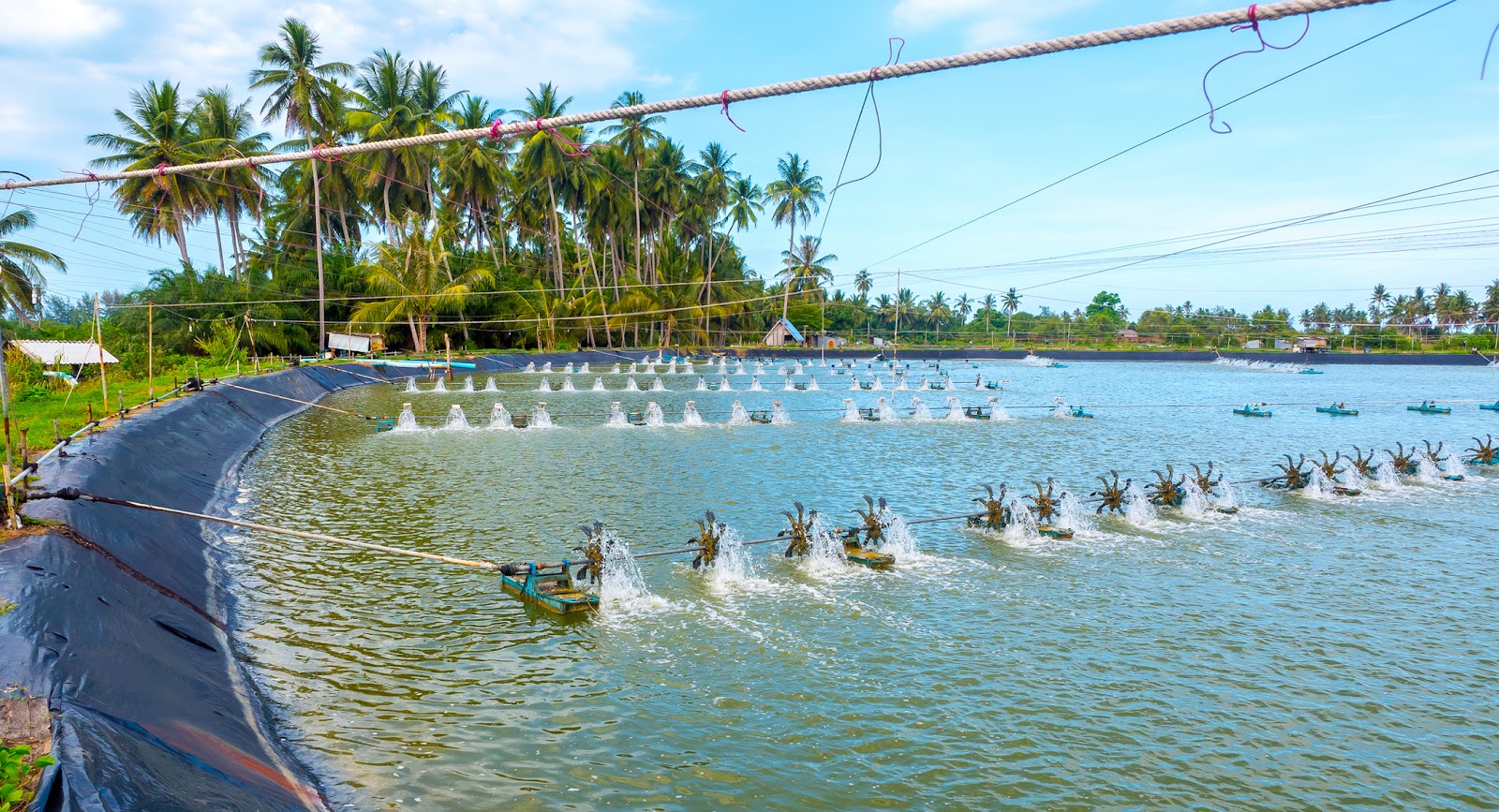
The selection of a pond location is the first thing that must be considered when starting a shrimp pond business. It aims to get a suitable and precise location according to the criteria. A good pond location must pay attention to the topography level, the soil’s content, and the water supply’s adequacy.
2. Make Sure to Choose Ideal Shrimp Fry
The fry is shrimp seeds. This term refers to the chicks that have entered the post-larva stage and are ready to be stocked into the pond. The ideal fry has a big impact on the success of shrimp farming.
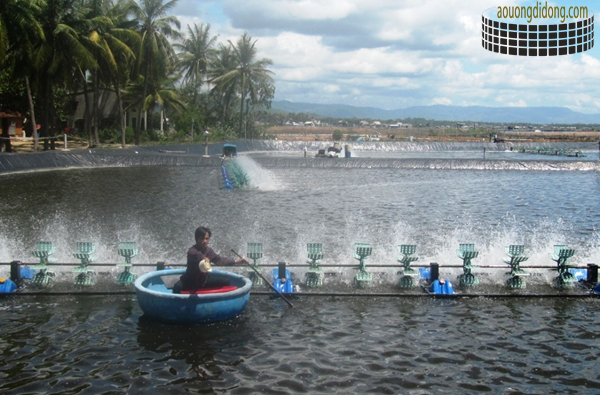
Therefore, choose and prepare the best fry for those just starting a shrimp farming business. The ideal fry criteria include disease free and resistant.
3. Prepare Farm Equipment and Tools
When starting a shrimp farming business, you don’t only need pond land and fry. But there are a series of tools to support the sustainability of your cultivation. Starting from anco, waterwheels, and pumps, to laboratory equipment.
Each pond must have its equipment and should not be used interchangeably. Because this is to avoid confusion about the results of the examination of the condition of each pond pond.
4. Ensure the Right Feeding Management
Feeding in shrimp farming must be done appropriately and efficiently in terms of time and amount. This is because most of the capital in shrimp farming is spent on feeding.
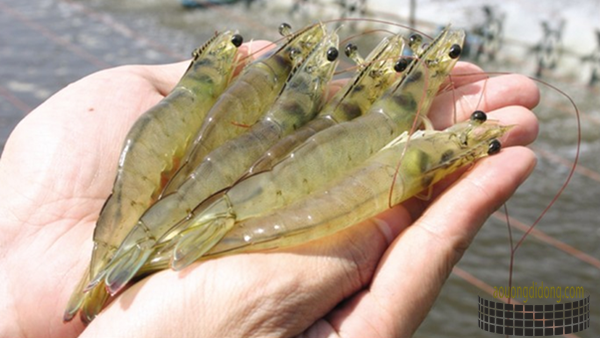
Feeding time in the shrimp farming business is usually regulated in feed management, whose quantity has been adjusted and calculated based on the age of the shrimp. In addition, the feeding area (feeding area), feeding level (feeding level), and frequency of feeding (feeding frequency) are also considered in
5. Do Regular Water Quality Observations
Before starting a shrimp farming business, the last thing that must be considered is observing water quality. By observing water quality, each farm personnel can find out if changes or fluctuations in parameters may harm shrimp development.
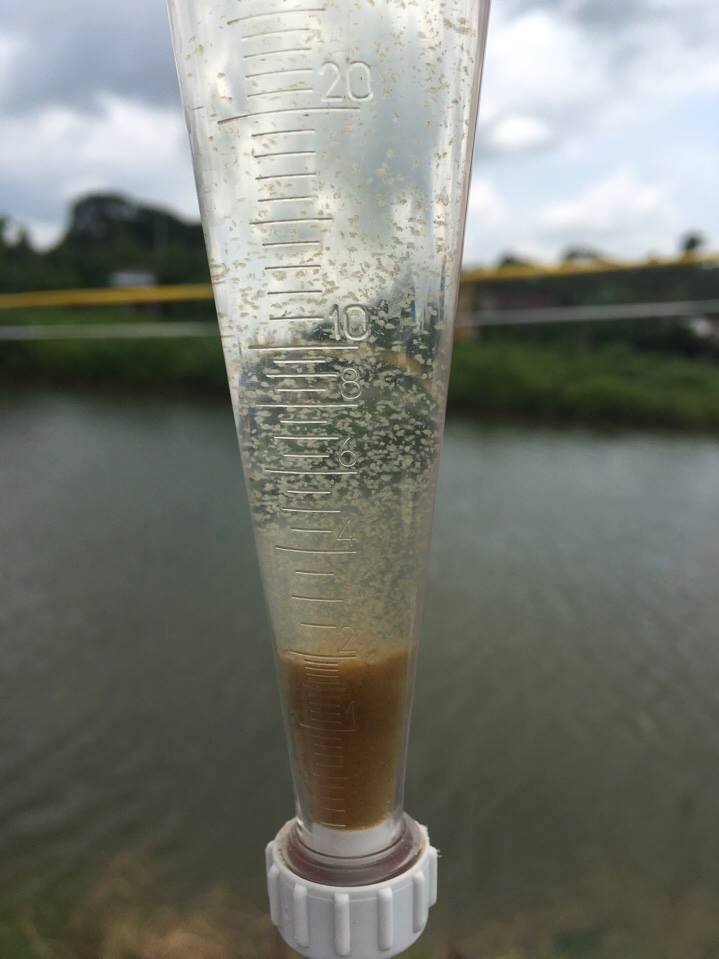
Usually, water quality observations are carried out physically, chemically, and biologically. Measurements of physical parameters can be directly carried out when in ponds. Meanwhile, chemical and biological parameters must be carried out in the laboratory.
Cre: DELOS Aqua
Ngày đăng : 10/02/2024
2758 View


Other Articles
Ca Mau, Can Tho and An Giang Play a Leading Role in Vietnam’s Shrimp Industry
Protecting rice-shrimp yields against environmental fluctuations caused by prolonged rain
AQUA MINA Turbo Blower: Quiet, Energy-Efficient Air Supply for Aquaculture Ponds
AQUA MINA has accompanied the experimental tank system project at Can Tho University from its very early days
AQUA MINA AMONG 20 OUTSTANDING PRESENTATIONS AT THE WORKSHOP ON APPLYING SCIENCE AND TECHNOLOGY TO IMPROVE THE QUALITY OF VIETNAM’S AQUATIC PRODUCTS
Vietnam’s Shrimp Farming Industry Enters the High-Tech Race
The U.S. market relies heavily on imported shrimp to bridge its domestic supply gap
The 2028 supply crisis: The shrimp industry is projected to face a 400,000-ton material shortage
High profits from high-tech shrimp farming come with persistent risks
Intensifying El Niño Effect: Climate Change Risks Threaten the Global Shrimp Supply Chain
Evaluating Gaps in the Circular Economy Value Chain of the Shrimp Industry
A Comprehensive Overview of the Vietnamese Shrimp Industry


.jpg)