


Indonesia’s shrimp industry recovers in late 2025 but faces tightening control risks from the United States
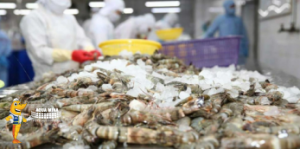
Indonesia’s shrimp industry closed out 2025 with a strong recovery toward the end of the year after experiencing multiple fluctuations in the U.S. market. Total export volume reached approximately 201,113 metric tons, nearly equivalent to 2024, while export value increased by 11% to USD 1.78 billion thanks to improved selling prices and a growing shift toward value-added processed products After a period of strong growth in the first half of the year, exports declined sharply in the fourth quarter, with October alone plunging by as much as 59% due to the impact of the “radioactive shrimp” incident in the United States. However, December recorded a clear rebound, reaching 23,701 metric tons, up 31% year-on-year; export value hit USD 228 million, up 51%. Exports to the U.S. alone rose 32% in December, indicating recovering demand. Although down 8% for the full year, the U.S. remained the largest market, accounting for 62% of total export volume.
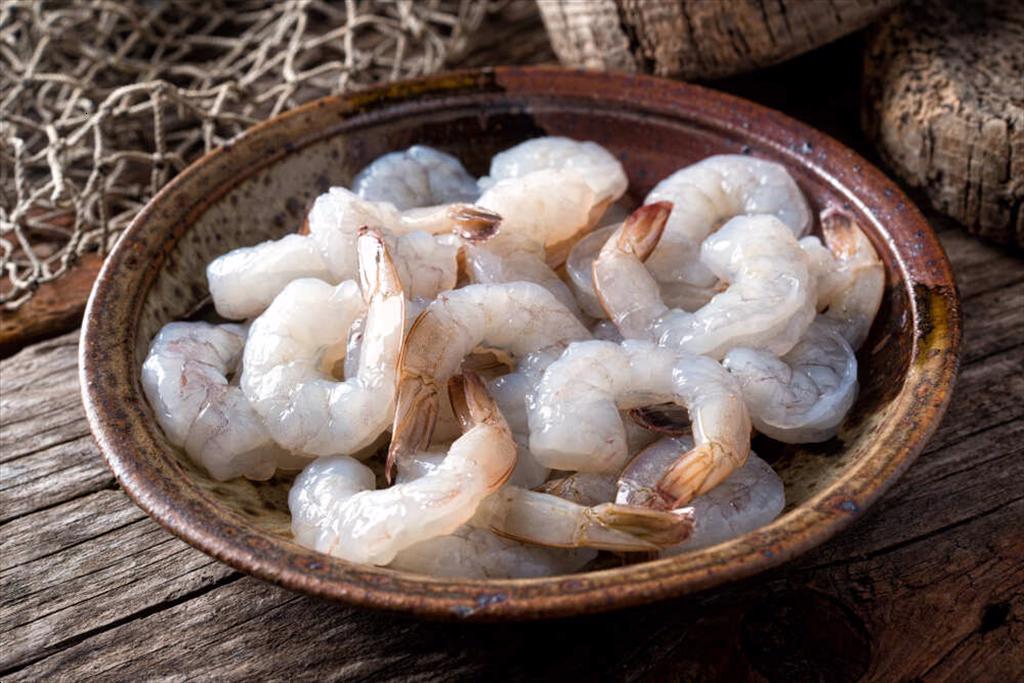
The main driver of export value growth came from processed shrimp. Whiteleg shrimp reached 97,192 metric tons, up 2%; cooked and marinated products increased by 9%. In contrast, black tiger shrimp fell by 16%, and breaded shrimp declined by 17%. Exports to the EU rose 41%, China increased 27%, Japan grew 6%, and Canada climbed 34%. However, early 2026 showed worrying signs: the U.S. FDA rejected 11 shrimp import shipments in January, including seven from Indonesia due to the detection of banned antibiotic residues. Analysts believe 2026 could be a “compliance watershed year,” as increasingly stringent traceability and food safety requirements may force Indonesian companies to strengthen quality control if they want to maintain their market share in the U.S.
Source: Vasep

WE WORK FOR THE SUCCESS


The global surimi market is projected to grow strongly.
Cà Mau: Expanding the RAS-IMTA model toward sustainable, zero-discharge shrimp farming.
From seed stock to farming equipment, high-tech aquaculture attracts strong interest in Ho Chi Minh City
Shrimp industry enterprises proactively adapt to global fluctuations
DAY 3 – AQUA MINA | STRONG CONNECTIONS – A MEMORABLE CLOSING AT VIETSHRIMP AISA 2026
DAY 2 – AQUA MINA | DEEP INSIGHTS & SMART SOLUTIONS FOR MODERN AQUACULTURE
DAY 1 – AQUA MINA | A POWERFUL OPENING AT VIETSHRIMP ASIA 2026
OFFICIAL OPENING of the International-Scale Aquaculture Exhibition Series | See You Again with AQUA MINA at VietShrimp Asia 2026
VietShrimp Asia & Aquaculture Vietnam 2026 | Smart Aquaculture – The AI Revolution in Aquaculture
AQUA MINA AT VIETSHRIMP 2026 – GET UP TO 40 MILLION VND IN DISCOUNTS WHEN PURCHASING AQUA MINA TURBO AQUACULTURE BLOWERS
22 kW Turbo Blower with Pneumatic Suspension vs. Suplang Blower – Which Is the Better Choice for Shrimp Ponds? Contact: 1800.6071 (Toll-free)
TURBO BLOWER FOR AQUACULTURE AND TRADITIONAL SUPLANG BLOWER – OPERATIONAL PERFORMANCE COMPARISON Hotline: 1800.6071 (Toll-free)


.jpg)