


Spot the Difference: Wild or Farmed Shrimp?
This article will share simple tips to help you distinguish between farmed and wild-caught shrimp, ensuring you choose fresh, safe, and tasty shrimp for yourself and your family.
1. Observe the Shell
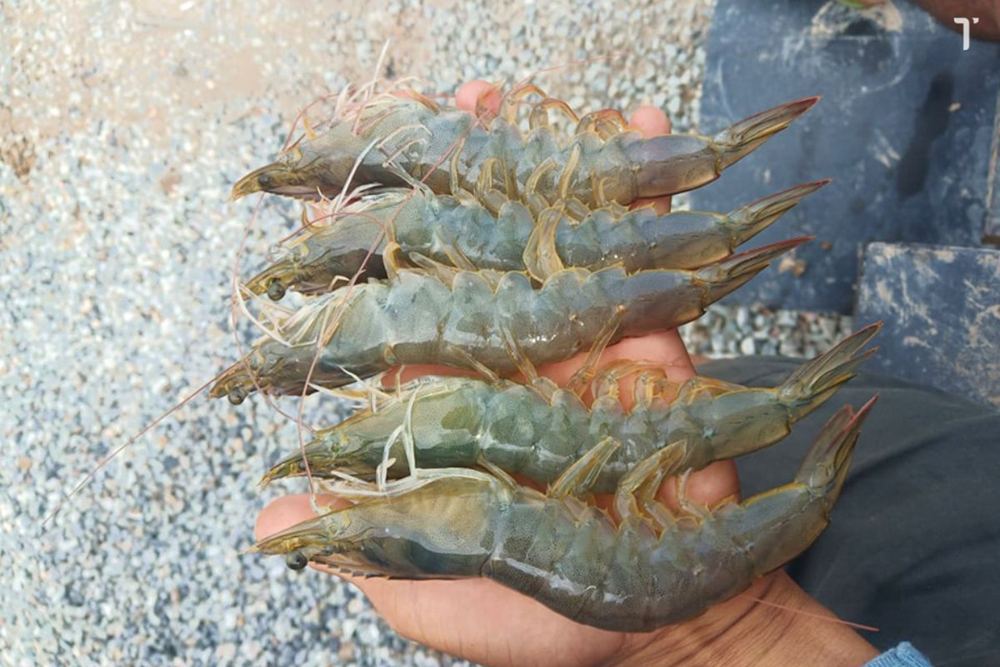
Wild-caught shrimp have thin, shiny shells with natural colors like greyish-green, light green, or pink-orange depending on the species. Their shells often have visible ridges and a slightly rough texture.
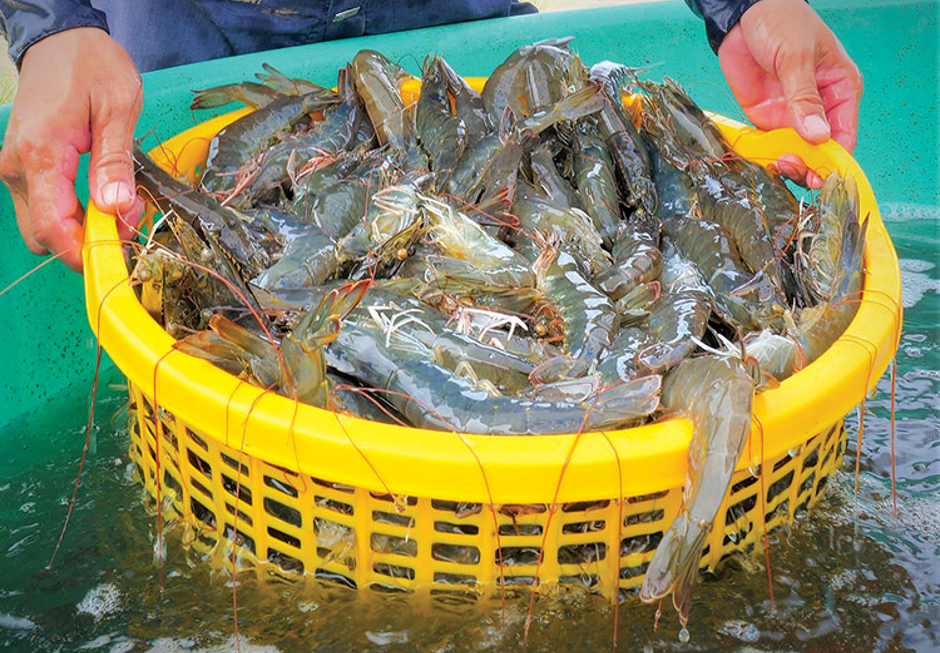
Farmed shrimp, on the other hand, usually have thicker shells with darker colors such as reddish-brown or dark brown. The shell is typically smooth and less textured than that of wild shrimp.
2. Check the Head
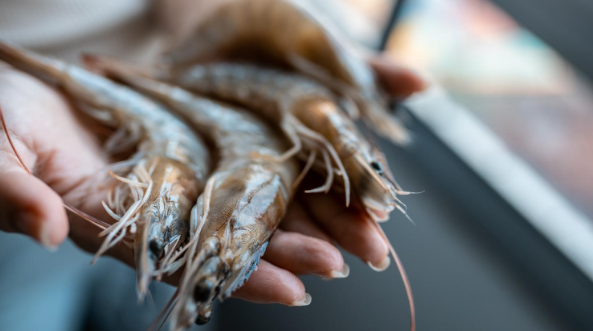
Wild shrimp have bright, translucent heads that are firmly attached to the body. Their eyes are black, shiny, and mobile.
Farmed shrimp often have darker, cloudier heads that detach more easily. Their eyes may appear dull or fixed in place.
3. Feel the Firmness of the Flesh
Wild shrimp have firm, elastic flesh that holds its shape well when pressed.
Farmed shrimp often have softer, mushier flesh that lacks elasticity and breaks apart easily.
4. Inspect the Back Vein (Black Line)
The back vein of wild shrimp is usually thin, sharp, and continuous.
In farmed shrimp, it tends to be thicker, darker, and broken in sections.
Additionally, wild shrimp often have long, slim legs with natural coloring, while farmed shrimp tend to have shorter, thicker legs that appear milky or pale.
5. Other Tips
Price can also be a clue: wild shrimp are typically more expensive than farmed shrimp.
For the best quality and safety, buy shrimp from reputable shops with clear sourcing and origin.
With these simple tips, we hope you now feel more confident in choosing fresh, high-quality shrimp for your family meals. Be a smart consumer to protect your health and the well-being of your loved ones.
Source: doisongphapluat.com.vn
Aqua Mina's distributor in Japan: REX INDUSTRIES CO., LTD
- Address: 1-9-3 Hishiya-Higashi, Higashi-Osaka 578-0948 JAPAN
- Email: kimakubo@rexind.co.jp
- Phone: +81-(0)72-961-9893
- Website: http://www.rexind.co.jp/e/
WE WORK FOR YOUR SUCCESS!
Ngày đăng : 16/05/2025
2175 View


Other Articles
AQUA MINA | CELEBRATING THE 67TH ANNIVERSARY OF VIETNAM’S TRADITIONAL FISHERIES DAY
Restructuring seed production to enhance the competitiveness of the aquaculture industry
AQUA MINA COMMITS TO NO PRICE INCREASE – 15% OFF PVC Knife Gate Valves, Double Flanges, and Elbow Flanges TO SUPPORT SHRIMP AND FISH FARMERS
Global shrimp prices – Week 12: Ecuador shrimp prices recover, while India and Indonesia remain stable
The global surimi market is projected to grow strongly.
Cà Mau: Expanding the RAS-IMTA model toward sustainable, zero-discharge shrimp farming.
From seed stock to farming equipment, high-tech aquaculture attracts strong interest in Ho Chi Minh City
Shrimp industry enterprises proactively adapt to global fluctuations
DAY 3 – AQUA MINA | STRONG CONNECTIONS – A MEMORABLE CLOSING AT VIETSHRIMP AISA 2026
DAY 2 – AQUA MINA | DEEP INSIGHTS & SMART SOLUTIONS FOR MODERN AQUACULTURE
DAY 1 – AQUA MINA | A POWERFUL OPENING AT VIETSHRIMP ASIA 2026
OFFICIAL OPENING of the International-Scale Aquaculture Exhibition Series | See You Again with AQUA MINA at VietShrimp Asia 2026


.jpg)